
Your Local Palo Alto Orthodontist
First, let’s start with some terms. TMJ stands for temporomandibular joint (tem-puh-roe-man-DIB-u-lur). We all have one, so from a doctor’s perspective if you come in and say you have TMJ, on the other side we’re thinking “yes, so do we.” It’s like coming in and saying you have a knee joint. TMD, or temporomandibular disorders is a broad term for anything in regards to pain or dysfunction for the joint by your ear.
The TMJ is a ball and socket joint, just like your elbow, shoulder, or knee, which means it can move in many different planes of space. Your lower jaw is the only jaw that moves–the upper jaw does not move. The TMJ is one of the most complicated joints in your body. It is attached to your mouth which allows us to breathe, eat, and speak, so we’re using it all day long, all the time.
Below are some common TMJ symptoms that may indicate you should see a specialist:
Some people worry if they hear clicking in the jaw. But if there’s no pain associated with the mild popping or clicking, it may not be a problem, as many people hear clicking. To be safe though, you can still go see a specialist to make sure everything’s okay.
If you think you have the above TMJ symptoms, it is important to get a thorough diagnosis by a specialist.
Deciphering where the actual problem is can be very complicated. It could take a team of specialists including a dentist, orthodontist, oral surgeon, etc. Some people also choose to see a sleep specialist, physical therapist or chiropractor. You may see several specialists before deciding what the right treatment is for you.
TMJ problems could be related to your teeth and bite, pain in muscles that move your lower jaw, or the actual inner workings of the joint itself. Sometimes TMD symptoms could be related to your bite and how your teeth are fitting together, so visiting an orthodontist and getting your teeth in the right place could help for long-term fit and wear on your teeth. An orthodontist can also make a further referral to a specialist if you need surgery or another treatment.
If your TMJ is a muscular problem, similar to if your elbow is inflamed from overuse in sports, you can give it some rest. Maybe you ate something really chewy and overworked it, so you can relax by eating soft foods and trying a warm or cold compress and trying Ibuprofen to help with the swelling. If after a couple weeks the pain persists, you may want to visit a specialist.
We’d love to see you at Twin Smiles Orthodontics in Palo Alto for TMJ treatment. We’d be happy to do a thorough evaluation and make recommendations, whether it’s working with you to align your teeth and bite potentially through Invisalign or braces, or referring you to another TMJ specialist in Palo Alto or the Bay Area. We offer free consultations, schedule an appointment on our website and we hope to bring you some TMJ relief soon!
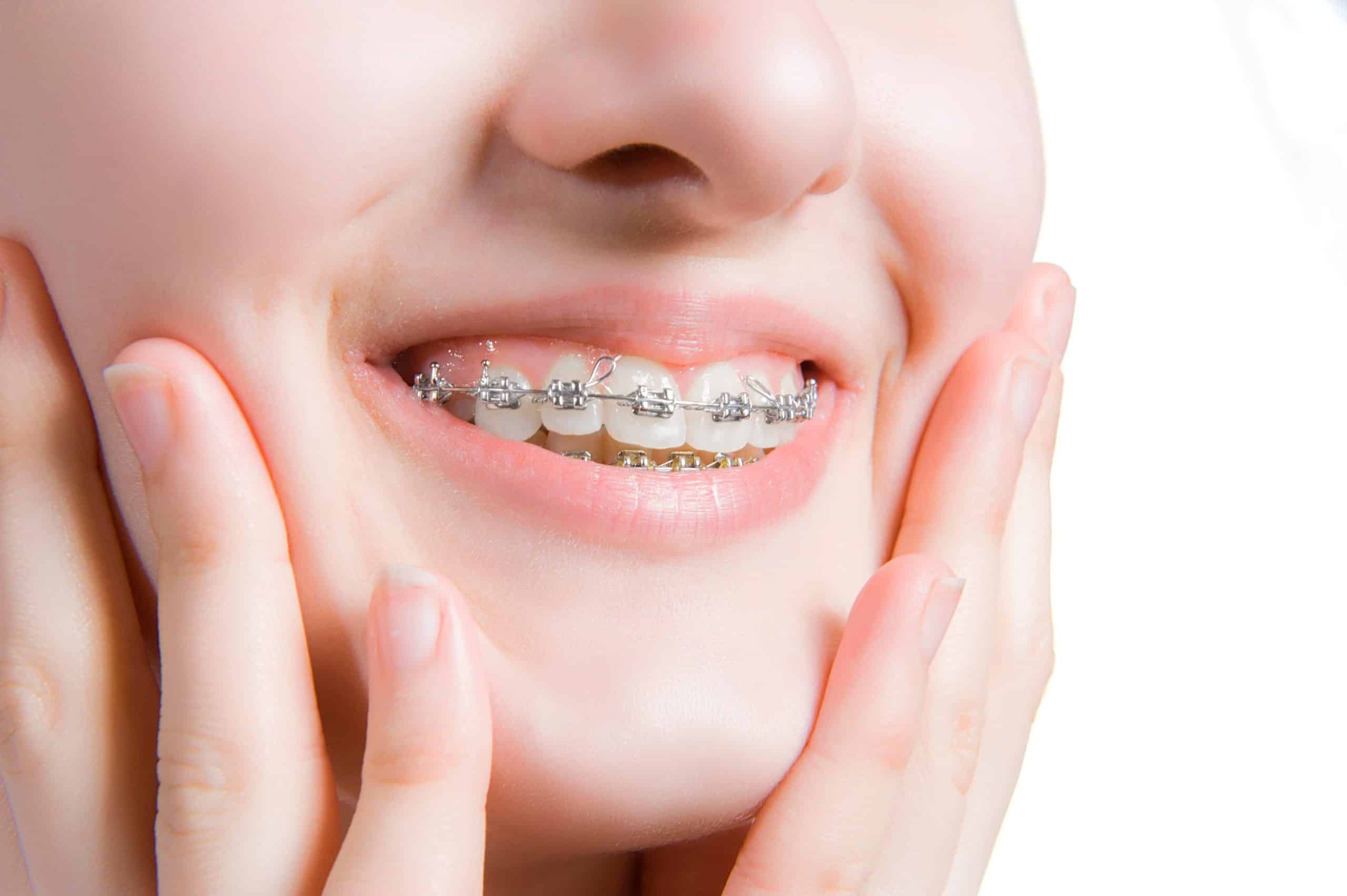
If you’ve ever had a bracket pop off, you might have wondered: does this really matter? The short answer is yes. As orthodontists, we see…
Read More
If you’re a parent or teen going through orthodontic care, one of the most common concerns we hear is: “Are we on track to get…
Read More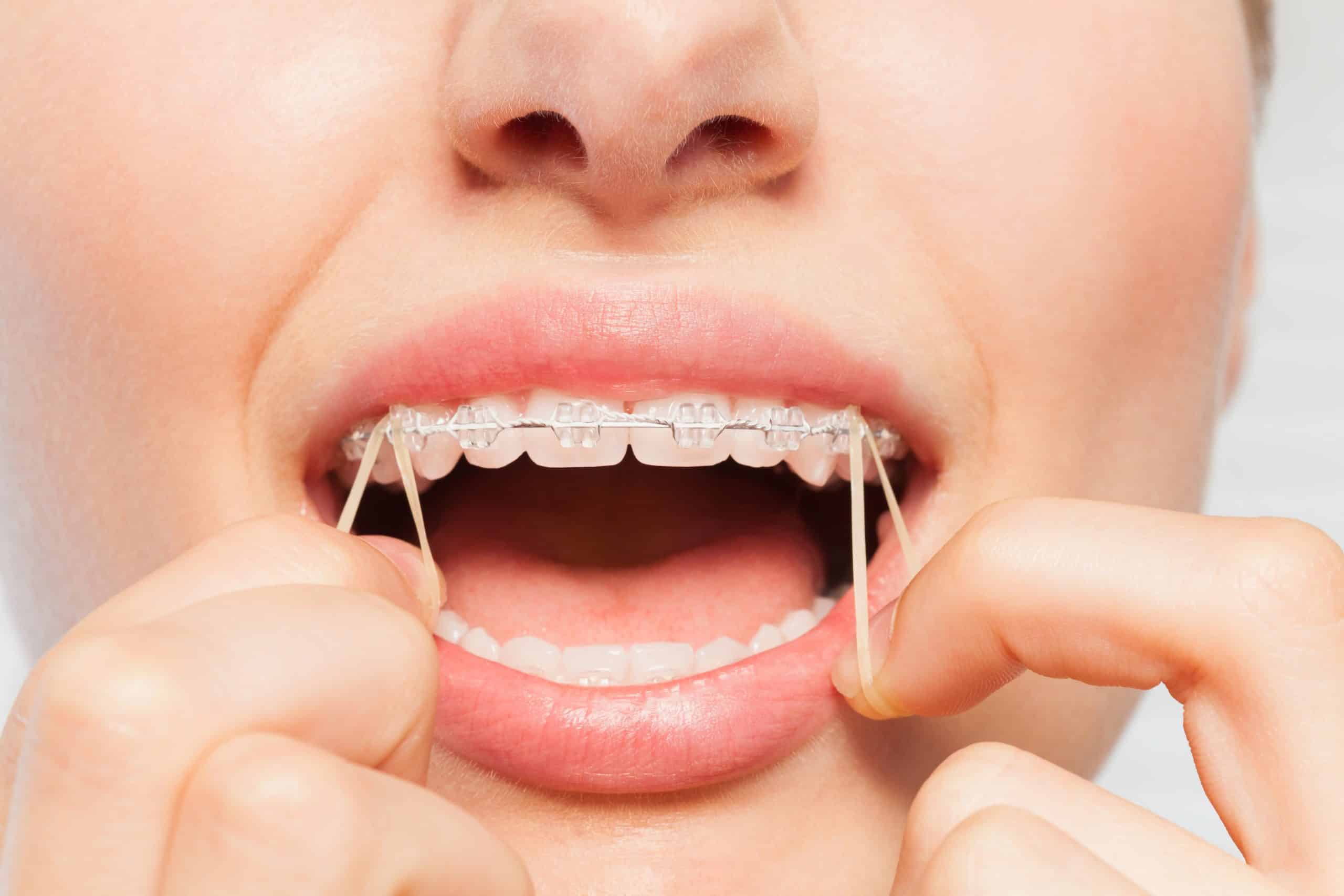
If you or your teen has been given rubber bands with braces, you may be wondering: what really happens if you skip them? As orthodontists,…
Read More
Life in Palo Alto is busy. Between academics, sports, travel, and packed family calendars, it’s easy to reschedule an orthodontic visit. However, missed appointments are…
Read More
One of the most common questions we hear from patients in Palo Alto is, “How can I make sure I’m done with braces on time?”…
Read More
If you’re considering orthodontic treatment as an adult, one of the first questions you’re likely asking is, “How long is this going to take?” In…
Read More