
Reverse Pull Headgear (Facemask): A Powerful Tool for Early Orthodontic Treatment in Palo Alto

Reverse Pull Headgear (Facemask): A Powerful Tool for Early Orthodontic Treatment in Palo Alto

At Twin Smiles Orthodontics in Palo Alto, we are dedicated to providing the best early orthodontic treatment options for children who need assistance in guiding jaw growth. One of the most effective tools for correcting underbites in growing patients is the reverse pull headgear, also known as a facemask. This orthodontic appliance plays a crucial role in addressing skeletal imbalances and can prevent the need for more invasive treatments later in life.

What is Reverse Pull Headgear?

Reverse pull headgear is a specialized orthodontic appliance designed to correct underbites in young patients. It works by applying gentle forward force to the upper jaw (maxilla), encouraging proper growth and alignment. This appliance is most effective when used during childhood, as the bones are still developing and can be guided more easily.

How Does Reverse Pull Headgear Work?

  • The reverse pull headgear consists of a metal or plastic frame that rests against the child’s forehead and chin.
  • Elastics connect the frame to brackets or hooks on the upper teeth or a palatal expander.
  • The appliance applies a forward pulling force, gradually shifting the upper jaw into a more ideal position.
  • Treatment is usually recommended for 14-16 hours per day, typically worn during sleep and at home.
  • The duration of treatment varies but generally lasts between 6-12 months, depending on the severity of the underbite.
Who Needs Reverse Pull Headgear?

Not every child requires a reverse pull headgear, but it is particularly beneficial for those with a skeletal underbite. Our orthodontists at Twin Smiles Orthodontics in Palo Alto evaluate each patient individually to determine if this treatment is necessary.

Signs that a Child May Benefit:

  • A noticeable underbite (lower teeth sit in front of upper teeth)
  • Difficulty biting or chewing due to jaw misalignment
  • Speech difficulties caused by improper jaw positioning
  • Family history of underbites or skeletal jaw discrepancies
How to Wear Your Retainer After Orthodontic Treatment: A Guide for Palo Alto Patients

How to Wear Your Retainer After Orthodontic Treatment: A Guide for Palo Alto Patients

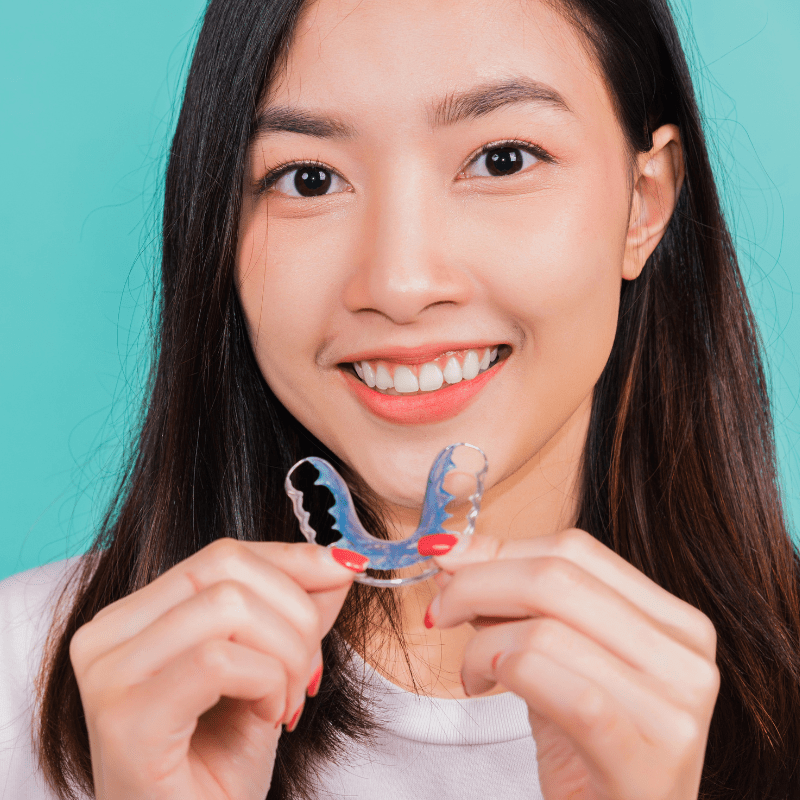
Congratulations on completing your orthodontic treatment! You’ve worked hard to align your teeth with braces or Invisalign and create a beautiful, confident smile. Now, the real challenge begins: maintaining your results for a lifetime. The key to keeping your teeth in their perfect position is proper retainer care.

In this blog, we’ll explain why retainers are essential to your smile’s longevity, provide a clear retainer wear schedule, and share tips on how to take care of your retainer to ensure it lasts. If you’re looking for guidance on post-orthodontic care in Palo Alto, keep reading!

Why Retainers Are Important for Your Smile

Your orthodontic treatment has worked hard to align your teeth, but without a retainer, your teeth may shift back over time. It’s a natural process—teeth naturally move as you age, and even people with naturally straight teeth may experience shifts. However, you don’t want your hard-earned results to fade. By wearing your retainer consistently, you’ll preserve your newly aligned teeth and enjoy your beautiful smile for years to come.

As Palo Alto orthodontists, we recommend that you follow the retainer guidelines to ensure the best results. Retainers play a critical role in stabilizing your teeth and allowing your bone structure to adjust to your newly aligned teeth. When you take care of your retainer and wear it as instructed, you’re giving your smile the best chance to stay intact.

Your Retainer Wear Schedule: How Much Should You Wear It?

Adhering to a retainer schedule is one of the most important things you can do after finishing orthodontic treatment. Here’s a simple breakdown of how much you should wear your retainer after your treatment in Palo Alto.

First 4 Months:
  • Wear your retainer full-time, at least 20 hours per day.
  • The only exceptions are when you’re eating and brushing your teeth.
  • It’s crucial to stick to this schedule to avoid shifting.
After 4 Months:
  • Switch to nighttime wear only.
  • Continue wearing your retainer every night indefinitely, or follow your orthodontist’s guidance if adjustments are necessary.
After 1 Year:
  • Most patients should wear their retainer every night indefinitely for optimal results.
  • If you’re looking for more flexibility, here are a few options:
    • Regular Nighttime Wear: Continue wearing your retainer every night.
    • Limited Nighttime Wear: Wear it 3-4 nights per week.
    • Wear as Needed: Check the fit of your retainer once a week, and if your teeth start to shift, resume nightly wear until they feel stable again.
How to Care for Your Retainer

To preserve both the fit and function of your retainer, proper maintenance is essential. Here are some tips to keep your retainer in top shape:

  • Insertion: Use your fingers to gently place the retainer in your mouth. Never bite it into position, as this can damage the retainer.
  • Cleaning: Brush your retainer daily with a soft toothbrush and mild soap. Occasionally soak it in a denture cleaner to keep it fresh.
  • Avoid Heat: Don’t expose your retainer to heat sources like hot water or direct sunlight. This can warp the material and affect the fit.
  • No Chewing: Don’t chew or play with your retainer. Avoid eating or chewing gum while wearing it.
  • Storage: Always store your retainer in its case when not in use. This protects it from damage and prevents loss.
  • Keep Away from Pets: Pets can be attracted to retainers, so be sure to keep them out of reach.

TMJ: Temporomandibular Joint Dysfunction

First, let’s start with some terms. TMJ stands for temporomandibular joint (tem-puh-roe-man-DIB-u-lur). We all have one, so from a doctor’s perspective if you come in and say you have TMJ, on the other side we’re thinking “yes, so do we.” It’s like coming in and saying you have a knee joint. TMD, or temporomandibular disorders is a broad term for anything in regards to pain or dysfunction for the joint by your ear.

The TMJ is a ball and socket joint, just like your elbow, shoulder, or knee, which means it can move in many different planes of space. Your lower jaw is the only jaw that moves–the upper jaw does not move. The TMJ is one of the most complicated joints in your body. It is attached to your mouth which allows us to breathe, eat, and speak, so we’re using it all day long, all the time.

TMJ Symptoms

Below are some common TMJ symptoms that may indicate you should see a specialist:

  • Joint has ever locked open where you can’t close your mouth (open lock)
  • Or the opposite, where you can’t open your mouth (closed lock)
  • Limited opening of the jaw, can’t open as wide as you used to be able to
  • Constant neck, back, or jaw pain
  • Pain or discomfort around ear
  • Headaches or migraines
Clicking in the Joint

Some people worry if they hear clicking in the jaw. But if there’s no pain associated with the mild popping or clicking, it may not be a problem, as many people hear clicking. To be safe though, you can still go see a specialist to make sure everything’s okay.