
Your Local Palo Alto Orthodontist
Sleep apnea is a common sleep disorder characterized by repeated interruptions in breathing during sleep. These interruptions can be caused by various factors, including issues with both hard and soft tissues in the airway. Identifying sleep apnea involves recognizing symptoms and understanding risk factors, as well as consulting with specialists.
While orthodontics alone cannot cure sleep apnea, it plays a crucial role in its management when combined with the expertise of other specialists. Comprehensive treatment often involves a team that includes dentists, orthodontists, sleep specialists, ENT (ear, nose, and throat) doctors, primary care physicians, and oral surgeons.
Orthodontists focus on addressing issues with the hard tissues of the oral cavity. This can involve expanding the upper jaw or collaborating with oral surgeons to surgically reposition the jaws, which can improve airway openness. ENTs generally handle soft tissue concerns and nasal issues, while sleep specialists are pivotal in diagnosing the specific type of sleep apnea.
Certain factors can significantly increase your risk of developing sleep apnea:
Common symptoms of sleep apnea include:
Orthodontists are increasingly involved in sleep apnea treatment due to their expertise in the oral cavity and its impact on the upper airway. We can assess the alignment of your upper and lower jaws and make necessary adjustments to increase the airway space. Treatments may involve creating expansion in the upper jaw or implementing skeletal changes to enhance airway flow.
Children should generally not snore unless they are ill or congested. If your child snores regularly, it may be worth consulting a specialist. Signs of sleep apnea in children include:
A sleep study is often the first step in diagnosing sleep apnea. A sleep specialist will analyze the results to determine the presence and type of sleep-related issues. Treatment might include surgical options like removing adenoids or tonsils, especially in children. Orthodontic treatments, such as using expanders to widen the upper jaw, can also help by increasing the nasal airway space and improving airflow.
If you suspect you have sleep apnea or want to explore treatment options, schedule a free consultation with us in Palo Alto. We’re here to help you start your journey toward better sleep. For more information on TMJ, click here.
Feel free to reach out through our website to get started on improving your sleep health today!

If you’ve ever had a bracket pop off, you might have wondered: does this really matter? The short answer is yes. As orthodontists, we see…
Read More
If you’re a parent or teen going through orthodontic care, one of the most common concerns we hear is: “Are we on track to get…
Read More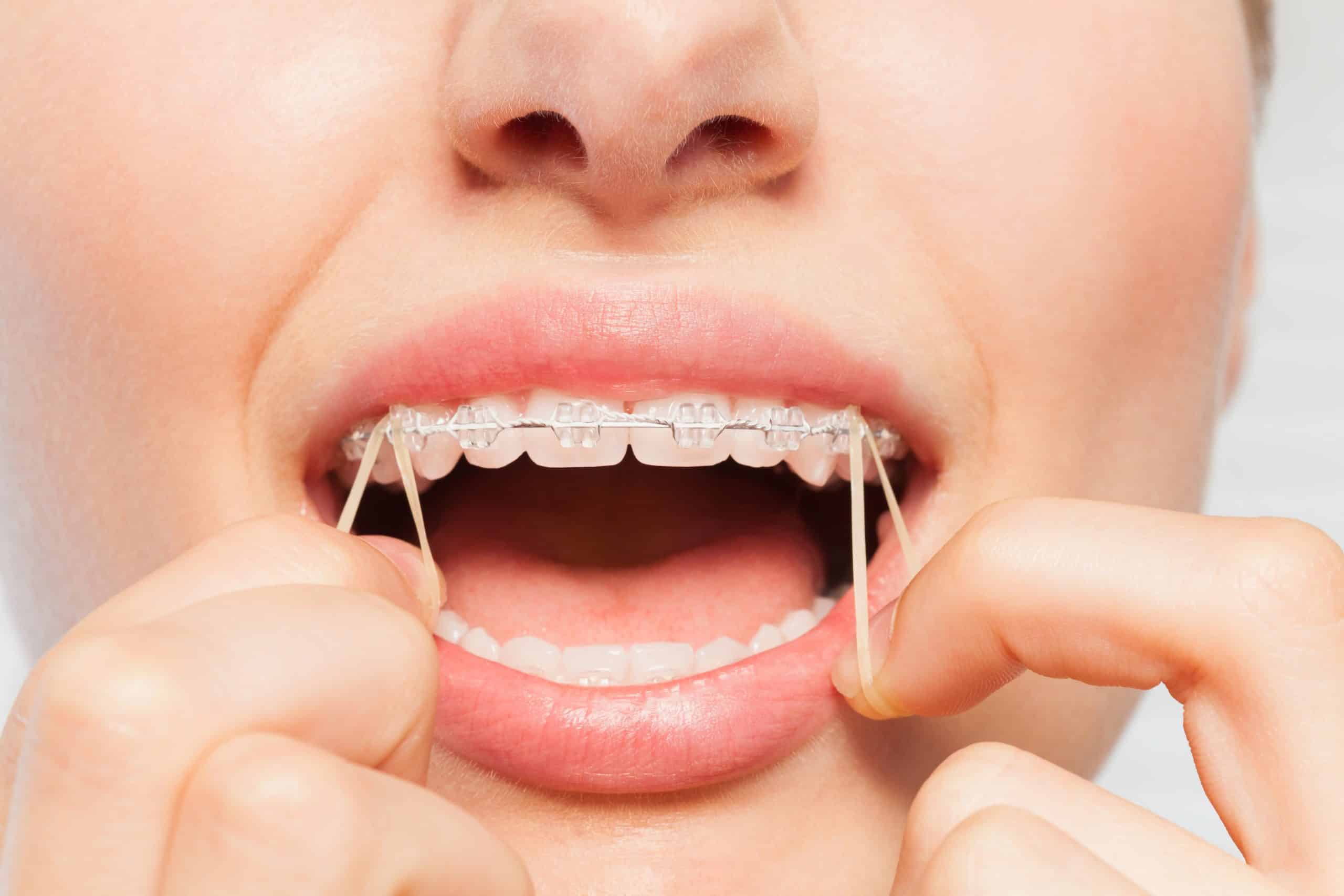
If you or your teen has been given rubber bands with braces, you may be wondering: what really happens if you skip them? As orthodontists,…
Read More
Life in Palo Alto is busy. Between academics, sports, travel, and packed family calendars, it’s easy to reschedule an orthodontic visit. However, missed appointments are…
Read More
One of the most common questions we hear from patients in Palo Alto is, “How can I make sure I’m done with braces on time?”…
Read More
If you’re considering orthodontic treatment as an adult, one of the first questions you’re likely asking is, “How long is this going to take?” In…
Read More