
Your Local Palo Alto Orthodontist
Thumb sucking is a common behavior among children, typically starting as a self-soothing action in infancy. While many children naturally outgrow thumb sucking, for some, it persists beyond early childhood, potentially leading to dental and social issues. As orthodontists in Palo Alto, we understand the complexities of managing this habit and are here to provide you with expert advice on how to stop thumb sucking. This guide will explore practical solutions, the role of orthodontic treatments such as thumb crib orthodontics, thumb sucking appliances, and kids braces Palo Alto, and methods for addressing thumb sucking without immediate orthodontic intervention.
Thumb sucking is often a comforting behavior for infants and young children. However, if the habit continues past the age of five or six, it can impact your child’s dental health. The effects of thumb sucking on teeth can be significant, leading to misalignment and other orthodontic issues. As orthodontists practicing in Palo Alto, our goal is to address thumb sucking with both preventive and corrective strategies to protect your child’s oral health. Understanding how to stop thumb sucking is crucial for ensuring their long-term dental well-being.
The effects of thumb sucking on teeth can vary depending on how long and intensely the habit is practiced. Prolonged thumb sucking can result in several dental issues, including:
Recognizing these effects of thumb sucking on teeth highlights the importance of addressing the habit early to prevent more serious dental problems.
Addressing how to stop thumb sucking can often be managed with a combination of strategies:
Identify Triggers and Offer Alternatives
Understanding what triggers your child’s thumb sucking—whether it’s stress, boredom, or fatigue—can help in finding effective solutions. Offer alternative activities to keep their hands busy and provide comforting distractions. Engaging your child in creative activities or hobbies can be a great way to divert their attention from thumb sucking. Positive reinforcement also plays a key role; praise your child for not engaging in the habit and offer small rewards for progress. Establishing a consistent daily routine can also reduce stress and help your child manage the urge to suck their thumb.
Use Gentle Reminders
Gentle reminders can help your child become more aware of their thumb sucking habit. Instead of using negative reinforcement, provide supportive prompts when you notice thumb sucking. Encourage your child to use their hands for other activities and gently redirect their focus when they start to engage in thumb sucking.
Introduce Self-Soothing Techniques
Teaching your child alternative self-soothing techniques, such as deep breathing exercises or relaxation methods, can be effective in replacing thumb sucking. Providing these healthier coping mechanisms helps your child transition away from thumb sucking and adopt more positive habits.
When behavioral methods are insufficient, orthodontic treatments can provide additional support. For cases where you’re struggling to figure out how to stop thumb sucking, consider these orthodontic solutions:
Thumb Crib Orthodontics
Thumb crib orthodontics is a specialized device designed to prevent thumb sucking by physically blocking the thumb’s access to the mouth. This device can make thumb sucking less comfortable and help break the habit. Our Palo Alto orthodontic practice offers advanced options, including thumb crib orthodontics, for persistent cases.
Thumb Sucking Appliances
Thumb sucking appliances, such as thumb guards or orthodontic plates, create physical barriers that discourage the habit. These devices are useful when other methods have not been successful. Our Palo Alto office provides a range of thumb sucking appliances tailored to your child’s needs.
Kids Braces Palo Alto
If thumb sucking has led to dental misalignment or structural changes, kids braces Palo Alto may be necessary. Our Palo Alto orthodontic practice offers comprehensive evaluations and treatments, including kids braces, to correct any damage and support proper dental development. Addressing how to stop thumb sucking with orthodontic intervention can be crucial for long-term dental health.
In summary, addressing how to stop thumb sucking involves a mix of behavioral strategies and, when needed, orthodontic interventions. Understanding the effects of thumb sucking on teeth and implementing effective strategies can help your child overcome thumb sucking. For persistent cases, consulting with a Palo Alto orthodontist about thumb crib orthodontics, thumb sucking appliances, or kids braces Palo Alto can provide additional support and address any dental concerns. With the right approach and orthodontic care in Palo Alto, you can help your child break the thumb sucking habit and ensure their dental health remains on track.
Ready to take the next step in addressing how to stop thumb sucking for your child? Contact Twin Smiles Orthodontics in Palo Alto today to schedule a free orthodontic consultation. Let’s work together to find the best solution for your child’s needs and set them on the path to a healthier smile.
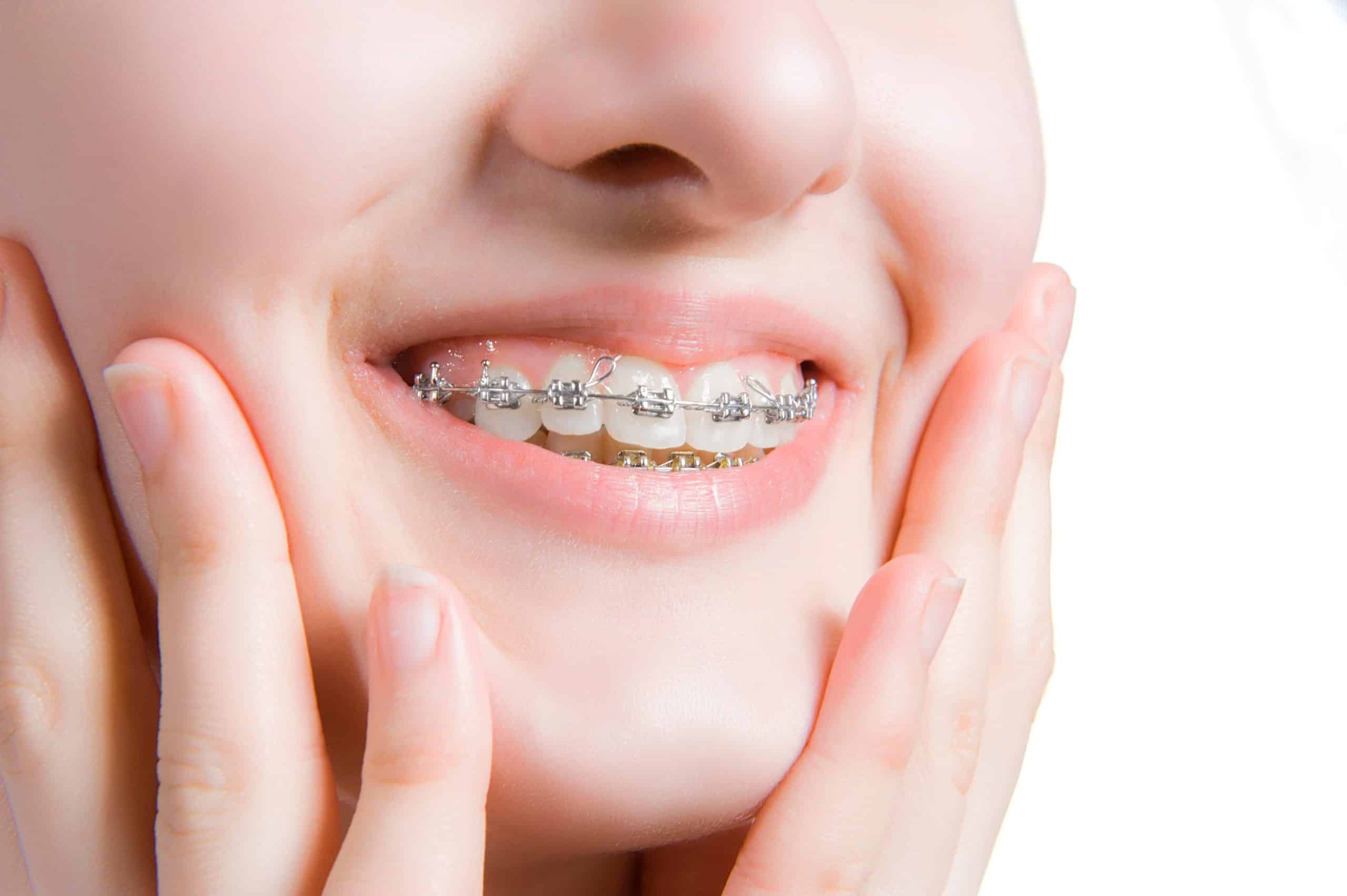
If you’ve ever had a bracket pop off, you might have wondered: does this really matter? The short answer is yes. As orthodontists, we see…
Read More
If you’re a parent or teen going through orthodontic care, one of the most common concerns we hear is: “Are we on track to get…
Read More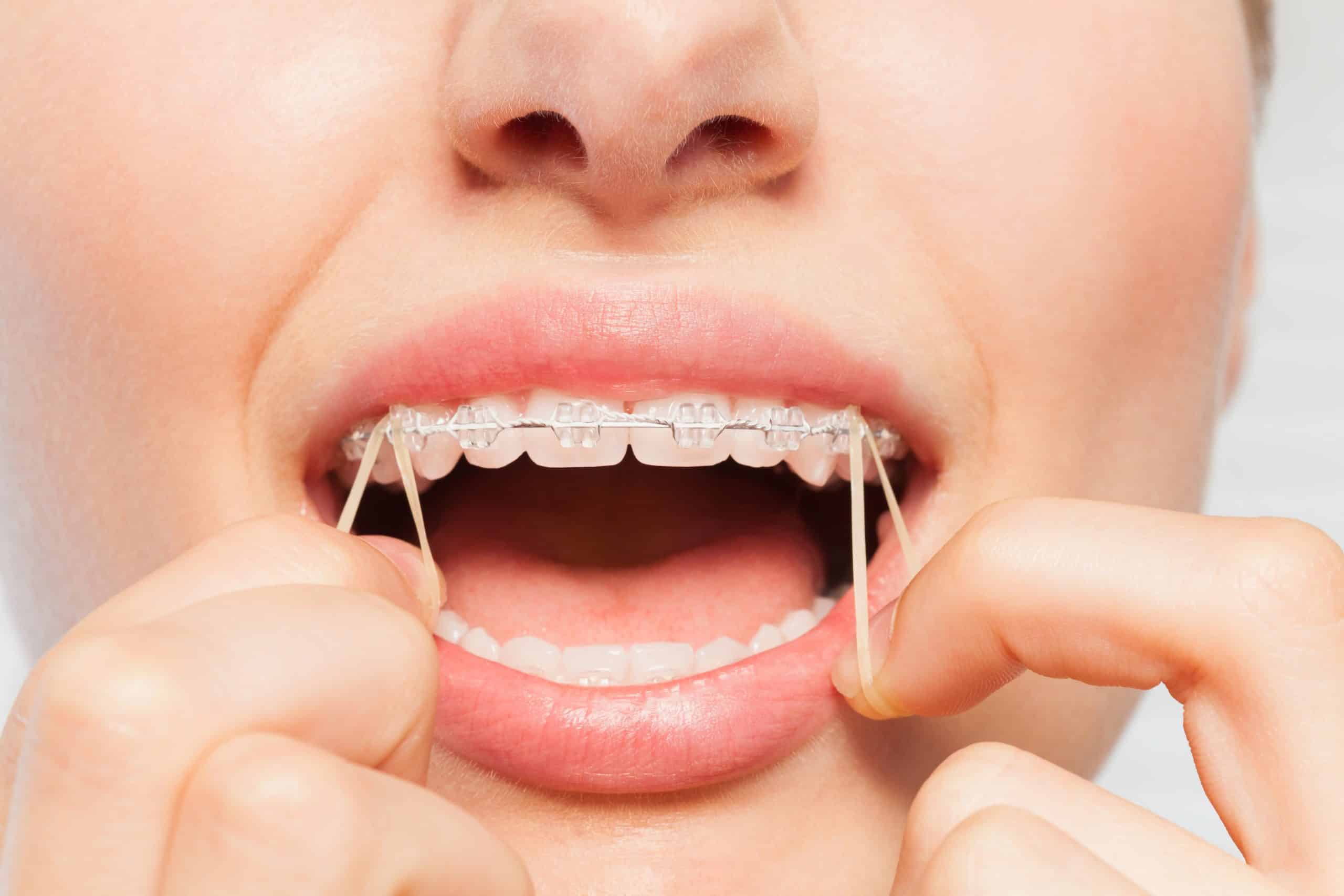
If you or your teen has been given rubber bands with braces, you may be wondering: what really happens if you skip them? As orthodontists,…
Read More
Life in Palo Alto is busy. Between academics, sports, travel, and packed family calendars, it’s easy to reschedule an orthodontic visit. However, missed appointments are…
Read More
One of the most common questions we hear from patients in Palo Alto is, “How can I make sure I’m done with braces on time?”…
Read More
If you’re considering orthodontic treatment as an adult, one of the first questions you’re likely asking is, “How long is this going to take?” In…
Read More