Don’t Fall Behind! 5 Ways to Stay on Track with Braces

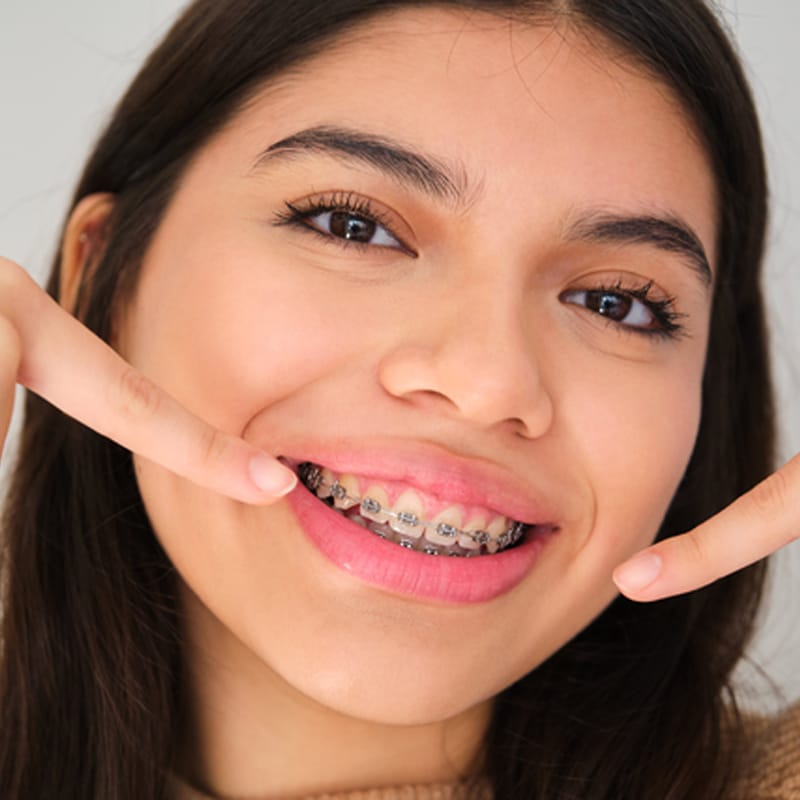
As orthodontists in Palo Alto, one of the most common questions we hear is: “How can I make sure I get my braces off on time?”
It’s a great question — and one that patients can actually control more than they might think. While your orthodontic treatment is carefully planned and monitored, your daily habits play a major role in how efficiently your teeth move.

At Twin Smiles Orthodontics, we’ve seen hundreds of patients finish right on schedule — and others who end up adding months to their timeline. The difference almost always comes down to consistency.

In this post, our team of orthodontists in Palo Alto is sharing the top five things you can do to make sure your braces journey stays on track.

How to Clean Your Retainers: A Palo Alto Orthodontist’s Guide

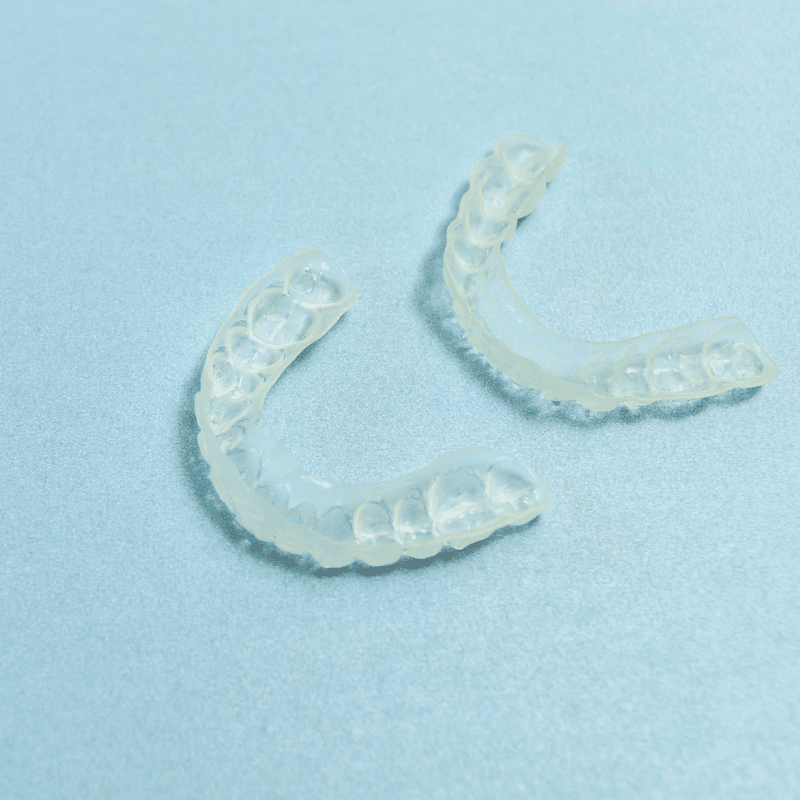
As orthodontists serving Palo Alto, we’re often asked: how to clean your retainers? Keeping your retainers clean isn’t just about hygiene—it’s about protecting your investment in a healthy, beautiful smile. Whether you’re wearing clear plastic retainers or traditional Hawley retainers, maintaining them properly can prevent unwanted odors, bacteria buildup, and even long-term dental issues.

In this post, our team at Twin Smiles Orthodontics in Palo Alto will walk you through everything you need to know about how to clean your retainers, which products to avoid, and how to build it into your daily routine.

Why Retainer Hygiene Matters

Your retainer sits in your mouth for hours each day, often overnight. During that time, it collects bacteria, plaque, and even food particles. If not cleaned properly, your retainer can cause:

  • Bad breath
  • Staining and discoloration
  • Tartar buildup
  • Gum irritation or infection

For patients in Palo Alto, understanding how to clean your retainers helps preserve both your orthodontic results and your overall well-being.

Types of Retainers and Their Cleaning Needs

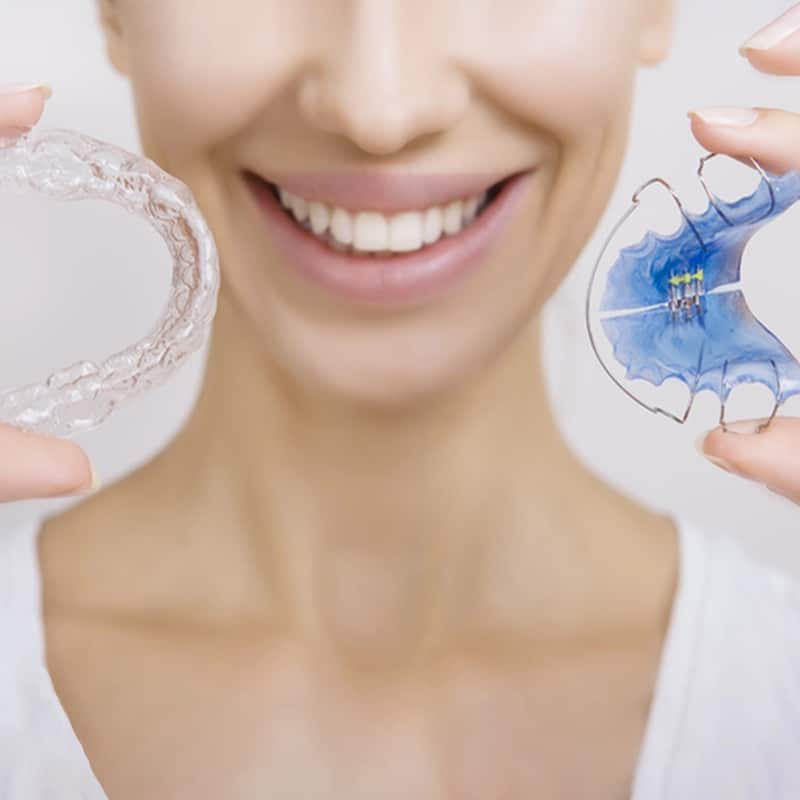
Different retainers require different care. Here’s how we recommend cleaning the most common types:

Why Choosing the Right Invisalign Orthodontist in Palo Alto Is Important

If you’ve been thinking about improving your smile, you’ve probably heard of Invisalign. It’s one of the most popular and trusted forms of clear aligners available today — and for good reason. Invisalign offers a discreet, comfortable way to straighten teeth without traditional metal braces.

But here’s the truth: the success of your treatment isn’t just about the aligners. It’s about who’s planning and managing your care.

Choosing the right Invisalign orthodontist is critical, especially in a city like Palo Alto, where patients expect high-quality, personalized treatment. At Twin Smiles Orthodontics in Palo Alto, our board-certified orthodontists specialize in Invisalign, and we’ve helped hundreds of patients get healthy, confident smiles using this innovative braces alternative.

How to Prevent White Spot Lesions While Wearing Braces in Palo Alto

At Twin Smiles Orthodontics in Palo Alto, we understand that starting braces is an exciting step toward a healthier, more confident smile. But as orthodontists, one of the most common concerns we hear from patients and parents in Palo Alto is about white spot lesions—those chalky-looking spots that can appear on teeth during or after braces.

If you’re undergoing orthodontic treatment in Palo Alto, it’s essential to know how to prevent white spot lesions, what causes them, and how they relate to tooth decay with braces. Here’s what you need to know to keep your smile bright and healthy throughout treatment.

What Are White Spot Lesions?

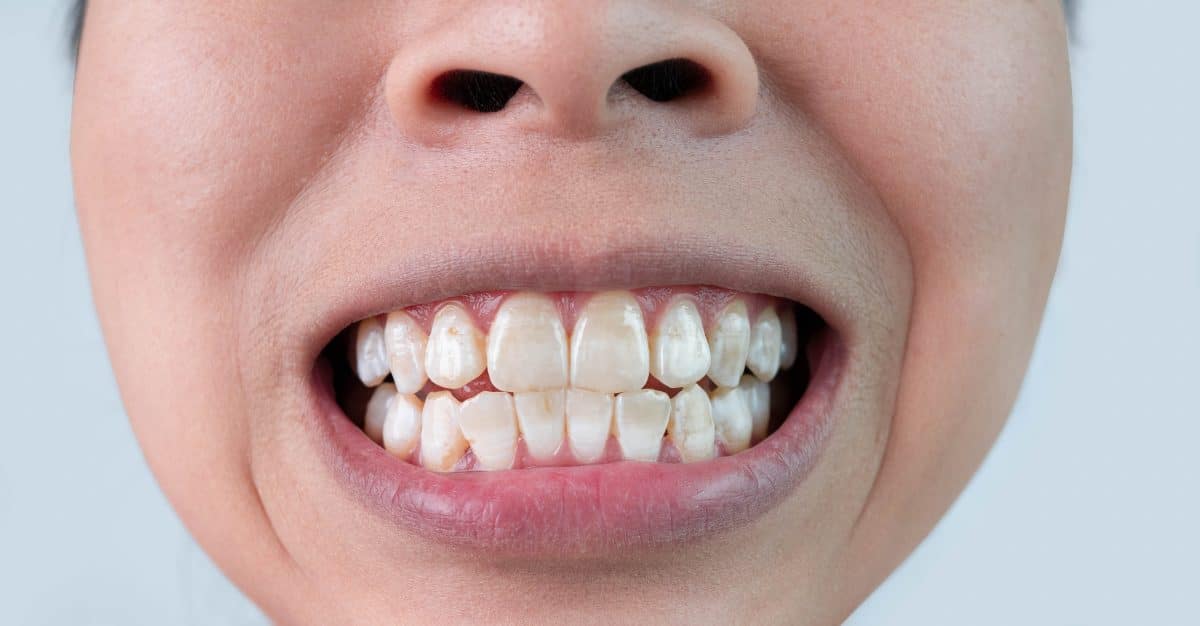
White spot lesions are early signs of enamel demineralization. They appear as dull, milky-white patches on the teeth and are often found around the brackets or where plaque has accumulated. These spots can become permanent if not addressed during orthodontic treatment.

While many people assume they’re simply cosmetic, white spot lesions are an early indicator of tooth decay with braces, which can progress to cavities if not properly managed.

Why Are Patients in Palo Alto at Risk?

In Palo Alto, where we see many teens and adults with braces, we’ve noticed a pattern: busy lifestyles can sometimes lead to rushed brushing or skipped flossing—two of the biggest contributors to plaque buildup and, eventually, white spots with braces.

Whether you’re a student, professional, or busy parent in Palo Alto, the challenge is the same: staying consistent with your oral hygiene routine during treatment.

Another contributing factor is diet. Many of our patients in Palo Alto enjoy on-the-go snacks, sports drinks, and energy bars—all of which can contain hidden sugars. These sugars feed the bacteria that cause tooth decay with braces and increase the likelihood of white spot lesions.


Can You Do Whitening with Braces? Here’s What You Need to Know

Can You Do Whitening with Braces? Here’s What You Need to Know

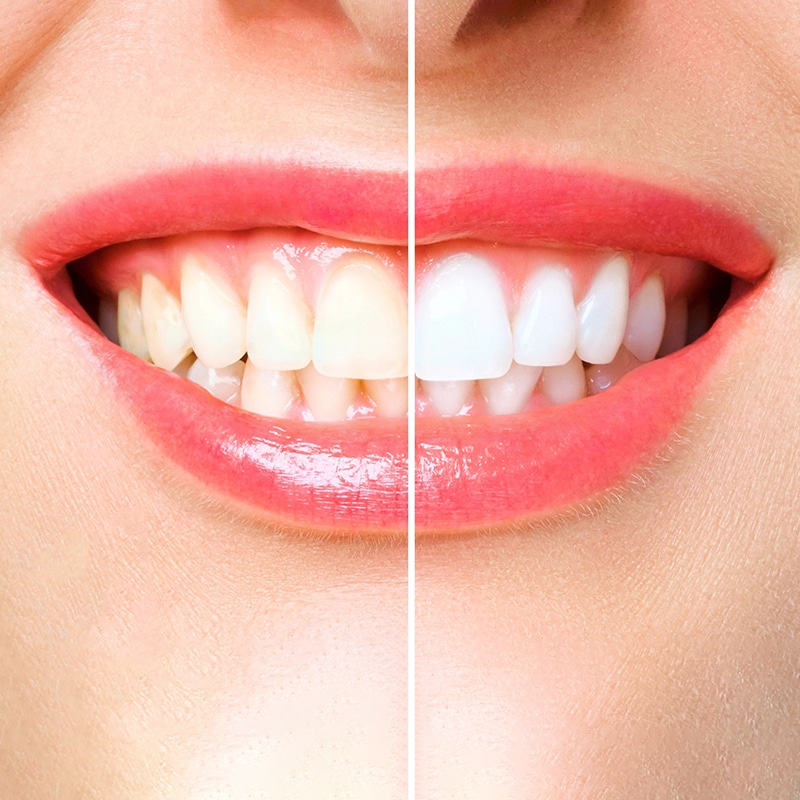
As a team of orthodontists proudly serving the Palo Alto community, we get this question all the time: “Can I whiten my teeth while I have braces?” The answer is yes—whitening with braces is possible—but it takes a bit of strategy, the right tools, and realistic expectations.
Whether you’re in the early stages of braces or nearing the end of your treatment, there are safe, effective ways to brighten your smile during orthodontic care. In this post, we’ll walk you through everything you need to know about whitening with braces, including common myths, product recommendations, and what to expect long-term.

Why People Want to Whiten During Braces

Wearing braces doesn’t mean you have to put your cosmetic goals on hold. Many patients want a straighter and whiter smile at the same time—and we totally get that.

With everyday exposure to coffee, tea, berries, or dark sauces, your teeth can develop surface stains. And since braces can make brushing a bit trickier, maintaining that bright look becomes even more important.

Whitening with braces helps you:

  • Feel more confident throughout your orthodontic journey
  • Prevent uneven tooth coloring once the brackets come off
  • Improve your overall oral hygiene with braces

Just keep in mind: the method you choose should be safe for your braces and your enamel. That’s why it’s essential to understand your options—and talk to your Palo Alto orthodontist before starting any whitening routine.

Whitening Options with Braces: What Works Best?

There are several whitening options with braces, but not all are created equal. Some can give uneven results, while others are gentle enough to use throughout treatment.

Safe and Effective Methods:
  • Whitening Toothpaste
    Helps polish surface stains with mild abrasives. Look for fluoride-based formulas that are safe for daily use.
  • Whitening Mouthwash
    A good supplement to your oral care routine. Some contain low levels of hydrogen peroxide and help reduce surface stains.
  • In-Office Professional Treatments
    May be possible for patients with certain types of braces, like lingual braces or Invisalign. These offer more control and safety under professional supervision.
  • Custom Whitening Trays (Post-Treatment)
    Best saved for after the braces come off. These ensure even whitening across all tooth surfaces.
Methods to Avoid:
  • Whitening Strips
    Strips don’t fit well around brackets and won’t whiten the tooth surface beneath. This can leave visible squares once braces are removed.
  • Over-the-Counter Whitening Pens or Gels
    These often can’t penetrate behind or under brackets and may irritate your gums.

Pro Tip: Talk to your Palo Alto orthodontist about the best whitening methods for your specific case.

When is the Best Time to Brush Your Teeth?

When is the Best Time to Brush Your Teeth?

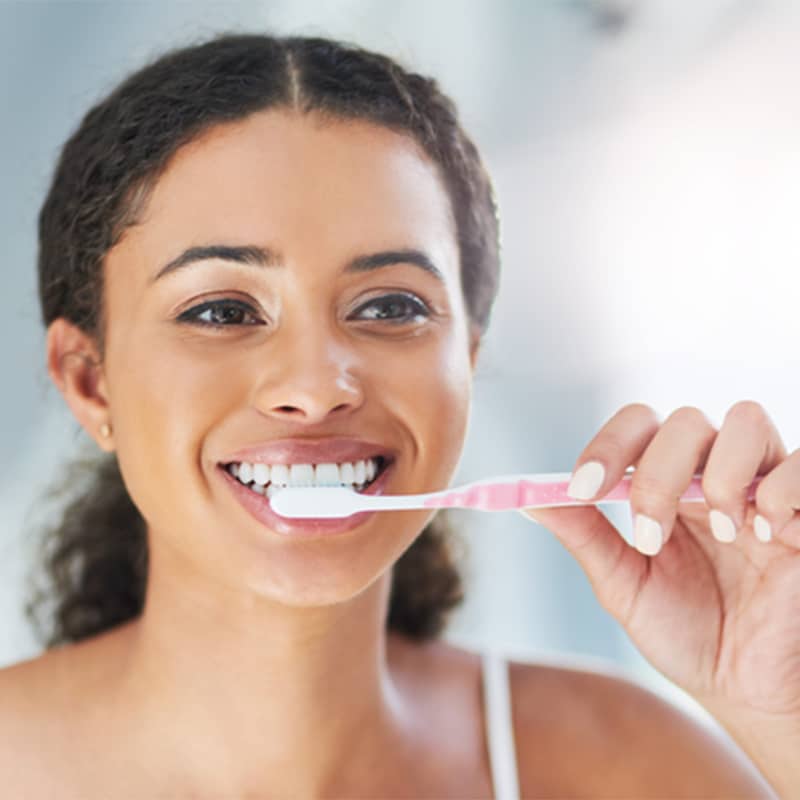
As a group of experienced orthodontists in Palo Alto, we often get asked by our patients, “When is the best time to brush your teeth?” While the answer might seem straightforward at first, it’s actually more nuanced than simply choosing a specific time of day. In this blog post, we’ll address the best times to brush your teeth, how to brush your teeth properly, and which tools and techniques can help keep your smile bright and healthy, whether you are undergoing orthodontic braces or Invisalign treatment.

Brushing Your Teeth with Braces or Invisalign Treatment

One of the most common questions we hear from patients undergoing orthodontic braces or Invisalign treatment in Palo Alto is whether the time of day really matters for brushing. While there is no exact “best” time to brush your teeth, there are several factors to consider that can help you maintain optimal oral health throughout the day.

The Importance of Brushing Regularly

First and foremost, it’s essential to brush your teeth thoroughly, regardless of when you do it. Brushing your teeth twice a day is recommended, but the real key is doing it well. A common misconception is that brushing at certain times, such as after meals, is more beneficial, but it doesn’t matter when you brush as much as how thoroughly you brush. Whether you choose to brush in the morning, before bed, or after meals, the most important thing is to be consistent and thorough.

Best Time to Brush
  • Morning Brushing: Brushing in the morning helps to remove plaque and bacteria that accumulate overnight. After all, you don’t want to start your day with a mouthful of bacteria that has built up while you sleep.
  • Before Bed: Brushing before bedtime is arguably the most important time to brush. Throughout the day, food particles and bacteria build up on your teeth. Brushing before bed helps ensure that your mouth stays clean overnight, which is crucial for maintaining oral health, especially if you have orthodontic braces.
  • After Meals: If you wear orthodontic braces, it’s essential to brush after meals, as food particles can get trapped in your braces. If you have Invisalign treatment, you might want to brush before putting your aligners back in to avoid bacteria build-up.

Can Braces Align Jaw? Understanding How Braces Work with Jaw Surgery for Jaw Correction

Can Braces Align Jaw? Understanding How Braces Work with Jaw Surgery for Jaw Correction

At Twin Smiles Orthodontics in Palo Alto, one of the most common questions we hear is whether braces can align jaw issues. Many patients wonder if traditional braces or Invisalign can help correct severe jaw misalignment or if a more invasive solution like jaw surgery is necessary. While braces and Invisalign alone can correct a variety of bite issues, in some cases, jaw surgery may also be required to achieve optimal alignment.

In this post, we’ll explain how braces for jaw correction work in conjunction with jaw surgery and why it’s essential for orthodontists and orthognathic oral surgeons to work together to create the best treatment plan for your jaw alignment. We’ll also touch on the role of sleep apnea orthodontics in jaw treatment.

Can Braces Align Jaw Issues?

Braces are a powerful tool for improving tooth alignment and correcting bite issues. For many patients, braces for jaw correction can improve jaw function and aesthetic appearance by shifting teeth into their ideal position. However, when there is significant misalignment of the jawbones themselves, additional procedures, like jaw surgery, may be necessary to reposition the bones.

Here’s how braces can align jaw problems:

  • Tooth Alignment: Braces work by gradually moving the teeth into better alignment, which in turn can help with correcting bite issues such as overbites, underbites, and crossbites.
  • Jaw Shifting: For some patients, braces can help shift the jaw slightly, especially in younger patients whose jawbones are still growing. This can assist with correcting milder jaw misalignments.
  • Combining with Other Devices: Braces can be combined with appliances like elastics, expanders, or headgear to assist with more complex cases of jaw misalignment.
When Is Jaw Surgery Necessary?

While braces can correct many mild to moderate bite issues, there are cases where more invasive treatment like jaw surgery is necessary to fully correct the jaw alignment. This is especially true for patients with severe bite issues or malformed jawbones.

Here’s why jaw surgery might be necessary:

  • Severe Misalignment: In cases where the teeth and jaw are significantly misaligned, braces alone may not be enough. Jaw surgery can reposition the jawbones, improving both function and appearance.
  • Jawbone Positioning: If the upper and lower jawbones are not aligned correctly, jaw surgery can be used to move the bones into the correct position.
  • Pain and Discomfort: For some patients, jaw misalignment can cause pain, difficulty chewing, or even problems with speech. Jaw surgery can relieve these issues by repositioning the jawbones.

Dental Retainer Cleaner: Why It’s Essential for Your Smile in Palo Alto

Dental Retainer Cleaner: Why It’s Essential for Your Smile in Palo Alto

As orthodontists in Palo Alto, we know that taking care of your dental appliances, particularly your retainer, is a key part of maintaining a healthy smile after orthodontic treatment. Whether you’ve completed your braces treatment or are finishing up with Invisalign, proper cleaning and maintenance of your retainer is essential. A question we often hear is, “How do I properly clean my dental retainer?” In this blog post, we’ll explain why using a dental retainer cleaner is a must for your retainer’s longevity and your oral health.

What Is a Dental Retainer Cleaner?

A dental retainer cleaner is a specially formulated product designed to clean your retainer without damaging the material. Whether you have a plastic retainer, wire retainer, or one used for Invisalign treatment, using a dental retainer cleaner regularly is important to avoid the build-up of bacteria, plaque, or odors. Regular cleaning will help ensure your retainer stays fresh, safe to wear, and free of harmful germs.

Why Should You Use a Dental Retainer Cleaner?

As orthodontists in Palo Alto, we understand that it can be easy to forget about cleaning your retainer, especially after your braces or Invisalign journey. However, there are several reasons why cleaning your retainer is crucial:

  1. Prevents Bacteria Build-Up
    After any form of orthodontic treatment, your mouth can still harbor bacteria. Without proper cleaning, your retainer can trap food particles, germs, and saliva. A dental retainer cleaner helps eliminate these risks and keeps your retainer bacteria-free.
  2. Prevents Bad Odors
    A dental retainer cleaner not only sanitizes your retainer but also helps to remove lingering odors. Whether you wear a retainer after braces or are using an Invisalign retainer, regular cleaning will leave your appliance fresh and ready for use.
  3. Preserves the Integrity of Your Retainer
    If you don’t take proper care of your retainer, it can become warped or damaged. This could affect its fit and effectiveness. Using a dental retainer cleaner regularly will help preserve your retainer’s shape and make sure it lasts throughout your post-treatment phase.
  4. Supports Oral Hygiene
    A clean retainer contributes to better overall oral health. By using a dental retainer cleaner, you help prevent gum irritation, tooth decay, and bad breath that could develop due to the build-up of bacteria or plaque on your appliance.
How to Clean Your Retainer with a Dental Retainer Cleaner

Cleaning your retainer with a dental retainer cleaner is easy and highly effective. Here’s a step-by-step guide:

  • Step 1: Rinse your retainer under lukewarm water to remove any excess saliva or food particles.
  • Step 2: Apply the dental retainer cleaner according to the manufacturer’s instructions. Some cleaners are soaking solutions, while others come in the form of sprays or wipes.
  • Step 3: If you’re using a soaking cleaner, let your retainer sit in the solution for 15–20 minutes.
  • Step 4: After soaking, use a soft toothbrush to gently scrub away any remaining debris or plaque.
  • Step 5: Rinse the retainer thoroughly under cool water before placing it back in your mouth.

Should You Get Braces Again? Here’s What You Need to Know in Palo Alto

Should You Get Braces Again? Here’s What You Need to Know in Palo Alto

If you’re in Palo Alto and considering whether it’s time to get braces again, you’re not alone. Many adults and teenagers find themselves in a position where they’re thinking about revisiting orthodontic treatment to improve their smile. Whether your first set of braces didn’t quite provide the results you were hoping for, or your teeth have shifted over time, getting braces again may be the best option for your dental health and self-confidence. In this blog post, we’ll break down everything you need to know before making your decision.

Why You Might Need Braces Again

There are several reasons why you may need to get braces again. If you’ve experienced any of the following, it might be time to speak with an orthodontist about your options:

  • Teeth shifting: Over time, teeth can naturally shift due to age, changes in jaw structure, or inadequate retention after initial orthodontic treatment.
  • Gum disease: If you’ve had gum disease or significant dental issues, your teeth might need realignment.
  • Cosmetic changes: If you’re not happy with your smile and have noticed changes to your teeth that affect your confidence, braces again could help.
  • Jaw alignment issues: Problems with your bite, such as an overbite or underbite, can sometimes only be corrected with braces or other orthodontic treatments.

In Palo Alto, many people are turning to braces again to achieve the perfect smile they always wanted. The good news is that orthodontic technology has evolved, and now there are a variety of treatment options available that can fit your lifestyle.

What You Can Expect When Getting Braces Again in Palo Alto

Getting braces again isn’t the same as your first experience. New advancements in orthodontics, such as clear braces and Invisalign, offer a more comfortable and discreet way to achieve results. Here’s what you should expect when choosing to get braces again:

  • Customized treatment plans: Your orthodontist will tailor your treatment to your unique needs, taking into account your teeth, bite, and overall oral health.
  • Shorter treatment times: Thanks to advanced technology and better treatment methods, many patients find that they don’t need to wear bracesfor as long as they did the first time.
  • Clear aligners: If you’re not thrilled about the idea of traditional metal braces, Invisalign might be the perfect solution for you. These discreet aligners straighten your teeth without the need for metal wires or brackets.
  • Less discomfort: Modern braces are designed to be more comfortable than ever before. You can expect fewer adjustments and less pain throughout your treatment.

The team at Twin Smiles Orthodontics in Palo Alto will walk you through all the available options, from clear braces to traditional options, to help you decide what will work best for your lifestyle.

Orthodontics vs Dentist: What’s the Difference and Why It Matters in Palo Alto?

Orthodontics vs Dentist: What’s the Difference and Why It Matters in Palo Alto?

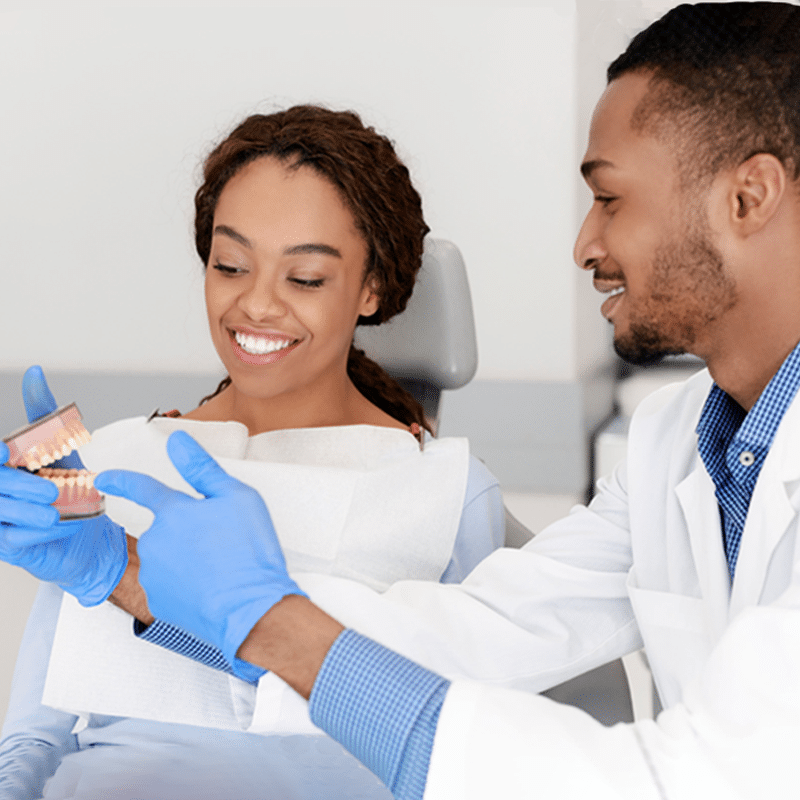
When it comes to maintaining oral health, many people are often unsure about the difference between an orthodontics vs dentist. While both professionals play an essential role in your dental care, their expertise and treatment focus are distinct. At Twin Smiles Orthodontics in Palo Alto, we believe understanding these differences will help you make the best choice for your smile. In this post, we’ll break down the unique roles of an orthodontist versus a dentist and why knowing the distinction is key to choosing the right care for you and your family.

What Does an Orthodontist Do?

An orthodontist specialist is a dental professional who focuses specifically on diagnosing, preventing, and treating dental and facial irregularities. Their primary goal is to ensure that your teeth, gums, and jaws are properly aligned. Whether it’s correcting bite issues, fixing misaligned teeth, or addressing jaw problems, an orthodontist has specialized training in these areas.

Orthodontists typically handle:

  • Braces: Traditional metal braces, ceramic braces, and clear braces.
  • Invisalign treatment: Clear aligners for those who want a more discreet option.
  • Jaw alignment: For those with overbites, underbites, or crossbites.
  • Teeth straightening: To help improve both the function and aesthetics of your smile.
What Does a Dentist Do?

On the other hand, a general dentist focuses on the overall health and maintenance of your teeth and gums. They are primarily concerned with preventive care, diagnosis, and treatment of issues like cavities, gum disease, and tooth decay. While a dentist can help you maintain your oral hygiene and treat common dental issues, they don’t typically handle complex orthodontic procedures like teeth alignment.

Dentists typically offer:

  • Routine exams: Check-ups to monitor your oral health.
  • Fillings: To treat cavities and tooth decay.
  • Teeth cleanings: To remove plaque and tartar build-up.
  • Tooth extractions: When a tooth is too damaged or infected.