Invisalign vs Braces for Adults: How to Choose the Right Option for Your Smile

If you’re an adult thinking about orthodontic treatment, you’re not alone. In our Palo Alto practice, we see more adults than ever seeking straighter teeth, better function, and long-term oral health. One of the most common questions we hear is how to decide between Invisalign vs braces for adults.

As orthodontists, we understand that adult patients have different priorities than teens. Work schedules, social confidence, comfort, and efficiency all play a role. Understanding the differences between treatment options can help you feel confident about your decision — especially when choosing between Invisalign vs braces for adults.

Why More Adults Are Choosing Orthodontic Treatment

Adult orthodontics has grown significantly in Palo Alto, largely because treatment today is more discreet, more comfortable, and more customizable than it used to be.

Adults pursue orthodontic care for many reasons, including:

  • Crowding or spacing that has worsened over time
  • Bite issues causing uneven wear
  • Relapse after childhood braces
  • Preparation for restorative dental work
  • Desire for improved smile confidence

Whether you’re in your 30s, 40s, or beyond, adult orthodontic treatment can make a meaningful difference in both appearance and long-term dental health.

Understanding Invisalign vs Braces for Adults

When comparing Invisalign vs braces for adults, it’s important to know that both options are effective — but they work differently.

Invisalign

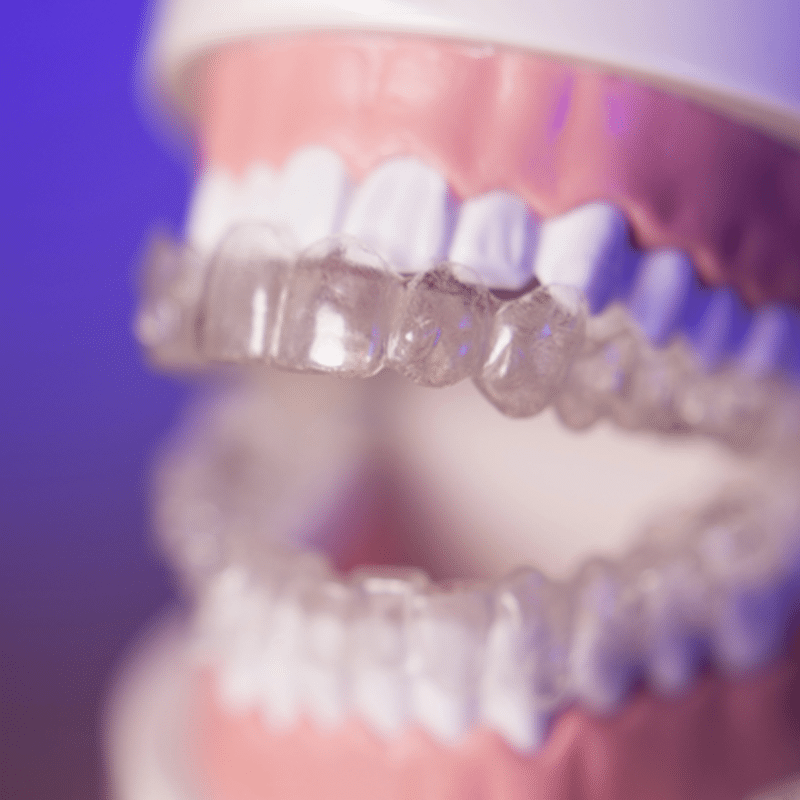
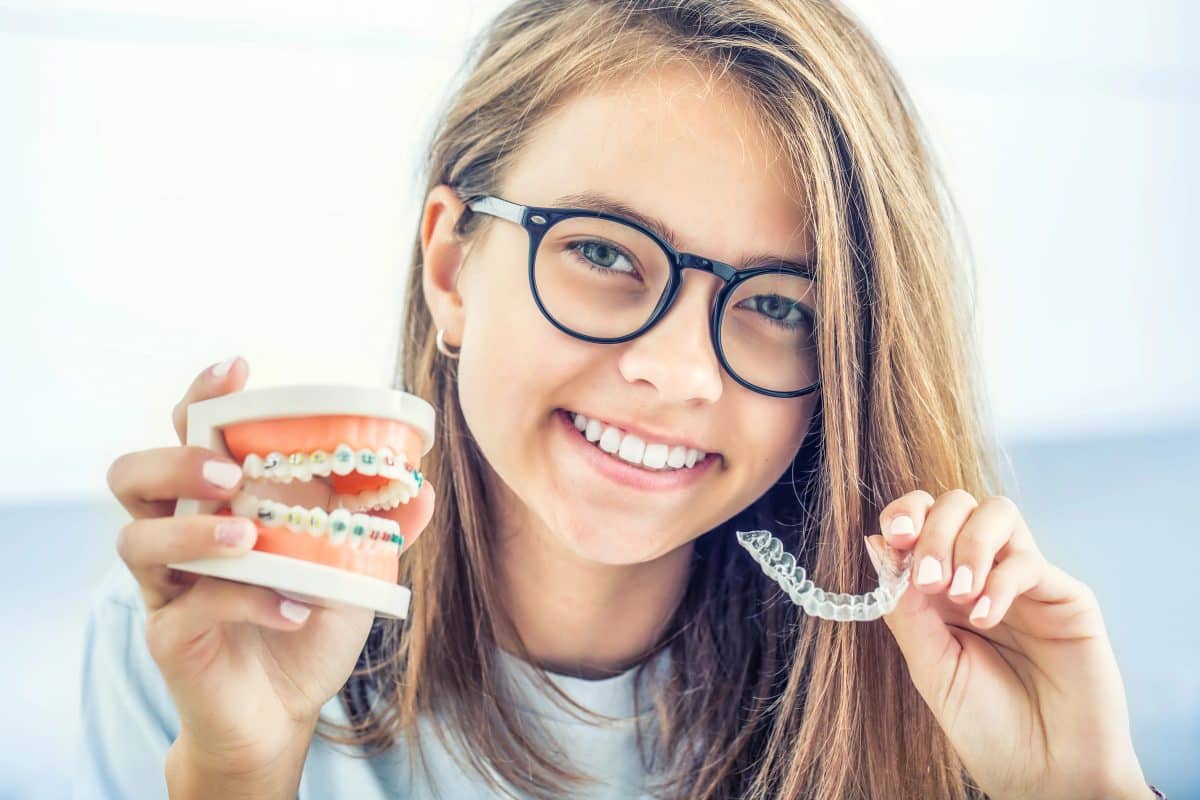
Invisalign uses a series of clear, removable aligners to gradually guide teeth into position. These aligners are custom-made and digitally planned.

Benefits include:

  • Nearly invisible appearance
  • Ability to remove aligners for eating and brushing
  • Smooth plastic material
  • Fewer emergency visits

For many patients in Palo Alto, Invisalign fits well into professional and social lifestyles.

However, success depends heavily on compliance. Aligners must be worn 20–22 hours per day to stay on track.

Braces

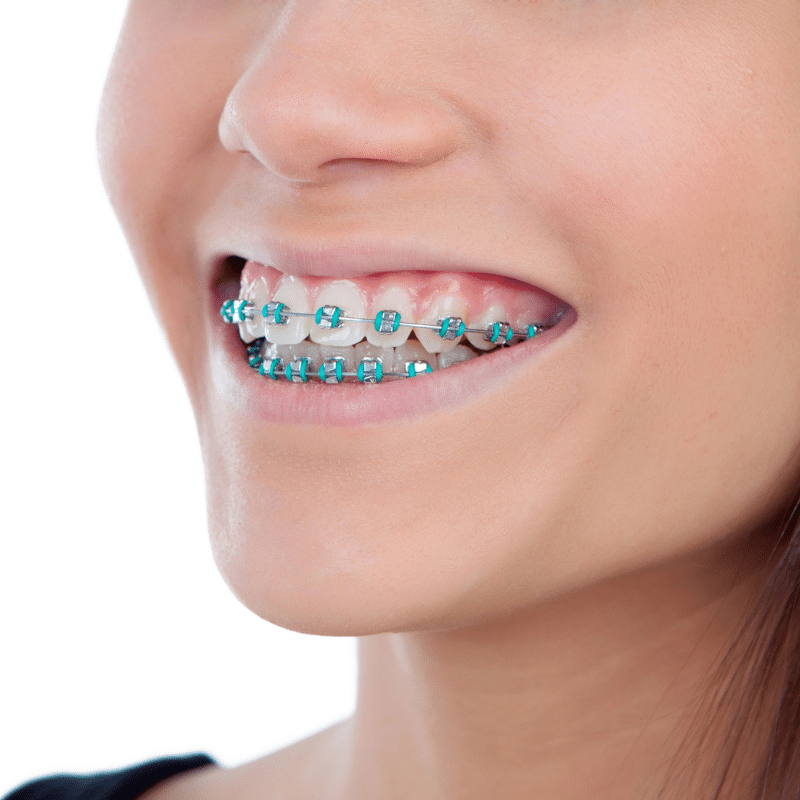
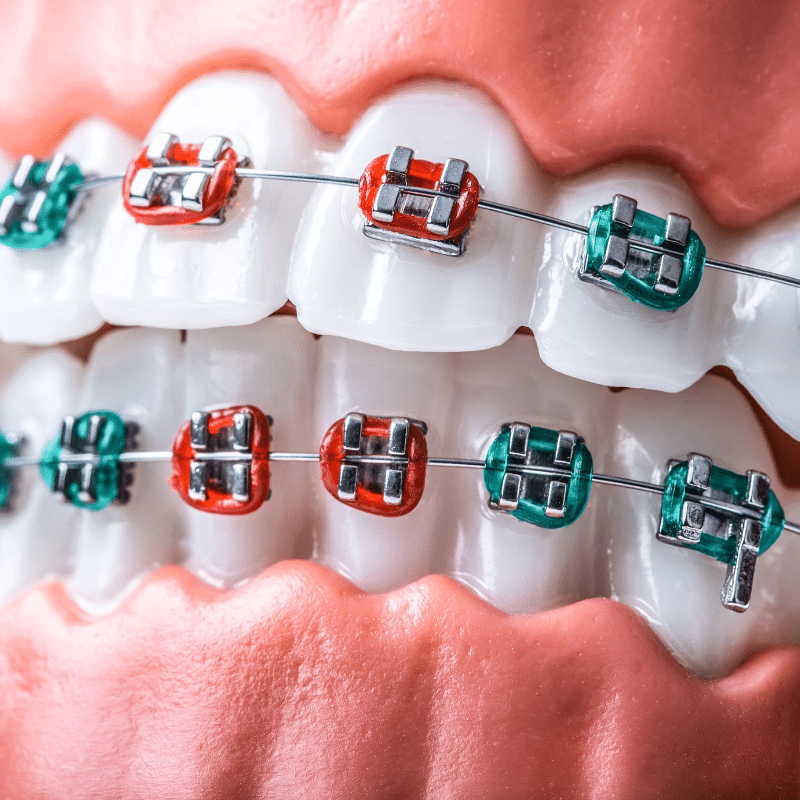
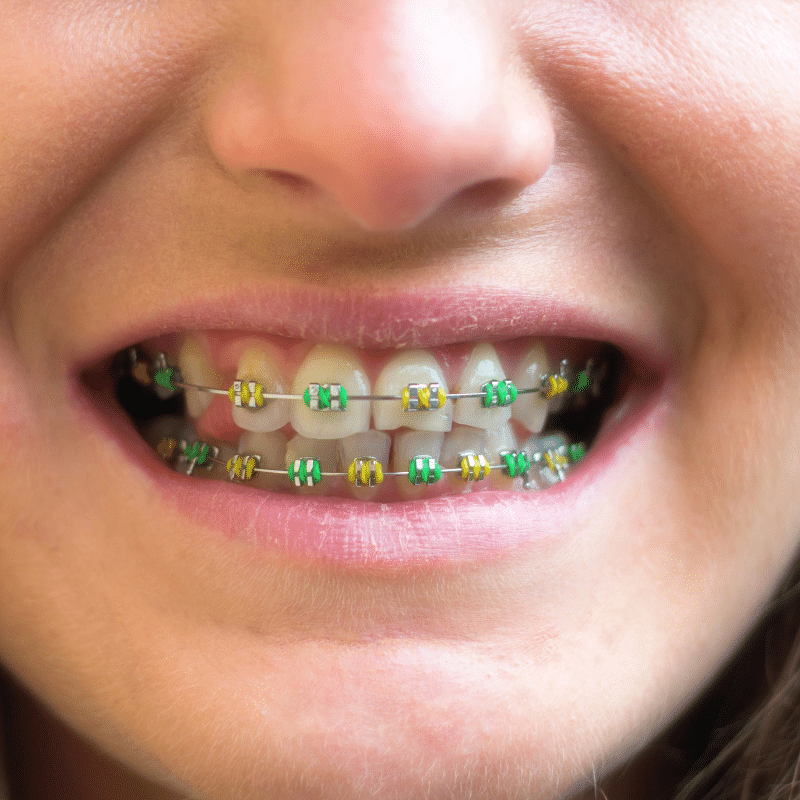
Braces use fixed brackets and wires to move teeth continuously. They remain in place throughout treatment.

Benefits include:

  • No need to remember wear time
  • Excellent control for complex tooth movement
  • Predictable progress

For some adults in Palo Alto, braces are still the most efficient choice — especially for more involved orthodontic needs.

This is why Invisalign vs braces for adults isn’t about which is “better,” but which is better for you.

Clear Aligners vs Braces: What Adults Should Consider

When comparing clear aligners vs braces, we encourage adult patients in Palo Alto to think about lifestyle, goals, and consistency.

Important factors include:

  • Daily routine and work schedule
  • Willingness to wear aligners consistently
  • Complexity of tooth movement needed
  • Personal comfort preferences

Both options fall under comprehensive adult orthodontic treatment, but the experience can feel very different.

In many cases, clear aligners vs braces achieve similar final results — it’s the path getting there that differs.

Appearance and Confidence

A major reason adults choose Invisalign is aesthetics. For professionals in Palo Alto, clear aligners allow treatment to blend seamlessly into daily life.

That said, modern braces are far more discreet than in the past. Ceramic options are often chosen by adults who want fixed treatment with a subtler look.

When discussing Invisalign vs braces for adults, we always take personal comfort and confidence into account.

Treatment Time and Predictability

Another common question in Palo Alto involves timing.

While treatment length varies, both options can be efficient when properly planned.

  • Invisalign often requires strong patient compliance
  • Braces work continuously without removal

Depending on the case, one option may allow better control — which is why thorough evaluation is essential for successful adult orthodontic treatment.

Oral Hygiene and Maintenance

Adults are often concerned about keeping their teeth clean during treatment.

With clear aligners vs braces, hygiene differs:

  • Invisalign allows brushing and flossing normally
  • Braces require more detailed cleaning routines

In our Palo Alto office, we provide detailed hygiene guidance regardless of which option you choose.

Maintaining gum health is especially important for adults, making thoughtful planning a key part of adult orthodontic treatment.

Cost Differences

Cost is another factor adults frequently ask about in Palo Alto.

In many cases, Invisalign and braces fall within a similar investment range. Final cost depends on:

  • Length of treatment
  • Complexity of movement
  • Technology used
  • Number of refinements needed

We believe cost transparency is essential when choosing between Invisalign vs braces for adults.

How We Help Adults Decide

As orthodontists serving Palo Alto, our role is not to push one option — but to educate and guide.

During your consultation, we evaluate:

  • Tooth alignment and bite
  • Gum and bone health
  • Past orthodontic history
  • Lifestyle and personal preferences

This individualized approach allows us to recommend the most effective form of adult orthodontic treatment, whether that involves Invisalign or braces.

Which Option Is Right for You?

The truth is, there is no universal answer. Choosing between Invisalign vs braces for adults depends on your goals, habits, and dental needs.

Both options can produce excellent, lasting results when guided by experienced orthodontists.

For adults in Palo Alto, the most important step is a professional evaluation that looks beyond appearances and focuses on long-term stability.

Schedule Your Free Orthodontic Consultation

If you’re considering orthodontic treatment and wondering whether Invisalign or braces is right for you, we’re here to help.

At Twin Smiles Orthodontics in Palo Alto, we offer a free orthodontic consultation where we evaluate your smile, discuss treatment options, and create a personalized plan designed around your life.

👉 Schedule your free orthodontic consultation with Twin Smiles Orthodontics in Palo Alto today — and take the first step toward a confident, healthy adult smile.
How to Brush Your Teeth With Braces: Expert Tips From Palo Alto Orthodontists

As orthodontists serving families throughout Palo Alto, one of the most common questions we hear is how to properly care for teeth during orthodontic treatment. When patients get braces, brushing becomes more than a routine—it becomes a critical part of protecting long-term oral health. Proper brushing helps prevent cavities, gum inflammation, and white spots, ensuring your smile looks just as healthy when treatment ends as it did when it began in Palo Alto.

Whether you’re a parent searching for a trusted kids orthodontist or a teen or adult starting treatment, learning the right techniques for brushing with braces early makes a noticeable difference.

Why brushing matters more with orthodontic braces

With orthodontic braces, brackets and wires create additional surfaces where plaque and food particles can collect. This is especially true with metal braces, which sit close to the tooth surface and require extra attention when brushing. In our Palo Alto practice, we emphasize that consistent brushing helps prevent:

  • Cavities around brackets
  • White spot lesions
  • Gum irritation and swelling
  • Extended treatment time

As orthodontists practicing in Palo Alto, our goal is not only straight teeth, but healthy teeth when braces come off.

Tools we recommend for brushing with braces

Using the proper tools makes caring for braces significantly easier. We recommend the following for our patients in Palo Alto:

  • A soft-bristled manual or electric toothbrush
  • Fluoride toothpaste
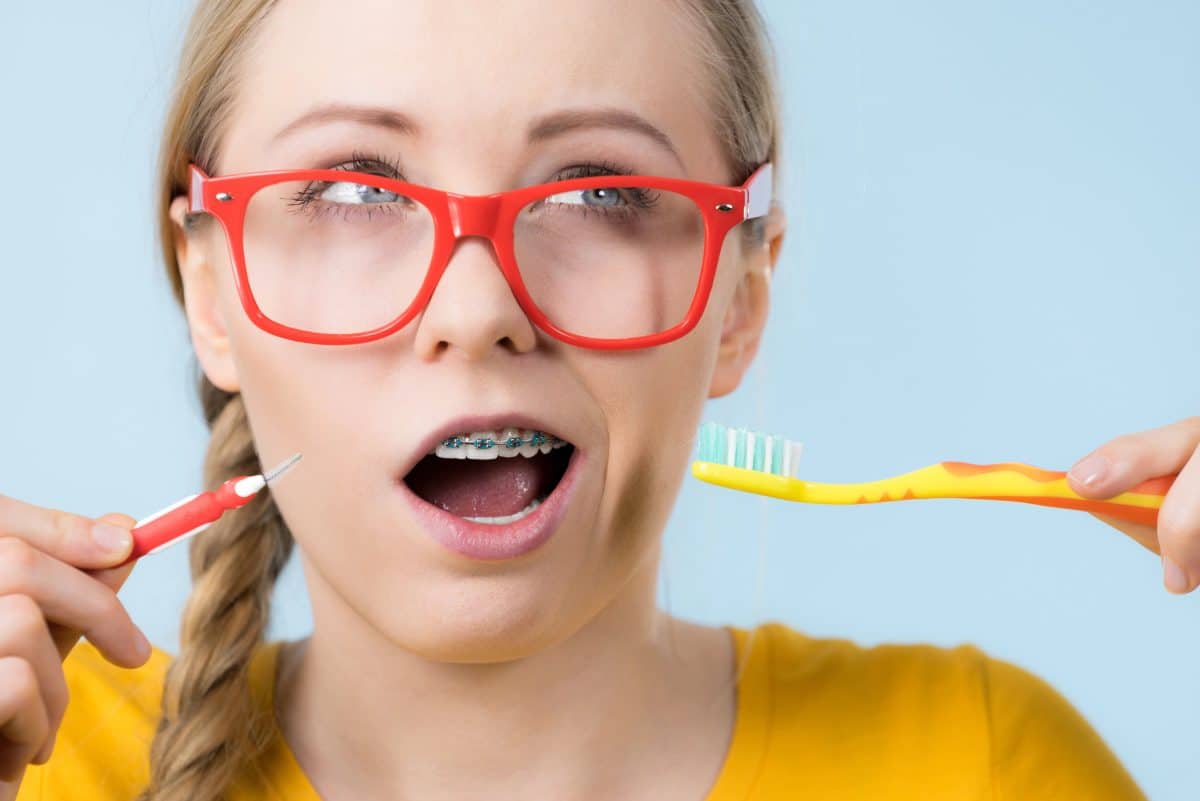
  • Interdental brushes for metal braces
  • Floss threaders or a water flosser
  • Fluoride mouth rinse

Patients with orthodontic braces who use the right tools consistently tend to have fewer hygiene-related issues during treatment in Palo Alto.

Step-by-step: how to brush with braces properly

We teach this technique to patients of all ages, especially families looking for a reliable kids orthodontist in Palo Alto. Brushing should happen at least twice a day and ideally after meals.

  • Angle the toothbrush at 45 degrees toward the gumline
  • Brush gently above the brackets in small circular motions
  • Re-angle the brush to clean below the brackets
  • Brush chewing surfaces and inner tooth surfaces
  • Use an interdental brush to clean around wires

This approach to brushing with braces typically takes two to three minutes and helps keep enamel healthy throughout treatment.

Common mistakes we see with metal braces

Even motivated patients can struggle when they first get braces. In our Palo Alto orthodontic office, the most common mistakes include:

  • Brushing too aggressively and irritating gums
  • Missing areas around brackets and wires
  • Rushing through brushing
  • Skipping nighttime brushing

With metal braces, gentle and thorough brushing is far more effective than brushing harder. Consistent habits protect enamel and support successful orthodontic treatment.

How diet affects brushing success

Diet plays an important role in how effective brushing with braces will be. Sticky and sugary foods cling to orthodontic braces and increase plaque buildup. We advise our Palo Alto patients to:

  • Limit sugary snacks and drinks
  • Avoid sticky candies and chewing gum
  • Rinse with water after meals if brushing isn’t possible

These habits are especially important for children and teens seeing us as their kids orthodontist in Palo Alto.

What happens if brushing isn’t effective?

When brushing isn’t thorough, we may see white spot lesions, swollen gums, or prolonged treatment time. As orthodontists in Palo Alto, we want every patient’s experience with braces to be efficient and positive. Proper care around metal braces ensures teeth remain healthy and bright throughout orthodontic treatment.

Tips for busy families, kids, and teens

Life moves quickly in Palo Alto, and routines can slip. These tips help patients stay consistent while wearing braces:

  • Set a reminder for evening brushing
  • Keep travel-size brushing tools in backpacks or work bags
  • Use a mirror to check around brackets
  • Ask your orthodontist for personalized advice

As a local kids orthodontist, we work closely with families throughout Palo Alto to build habits that last beyond treatment.

Final thoughts from our orthodontic team

Caring for braces doesn’t have to be complicated. With the right tools, proper technique, and consistency, brushing with braces becomes second nature. As orthodontists proud to serve Palo Alto, we’re committed to helping patients protect their smiles while wearing orthodontic braces.

If you or your child are starting treatment or want personalized brushing guidance, we’d love to help. Schedule a free orthodontic consultation today at Twin Smiles Orthodontics in Palo Alto and let our orthodontic team support you on the path to a confident, healthy smile.

When is the Best Time to Brush Your Teeth?

When is the Best Time to Brush Your Teeth?

As a group of experienced orthodontists in Palo Alto, we often get asked by our patients, “When is the best time to brush your teeth?” While the answer might seem straightforward at first, it’s actually more nuanced than simply choosing a specific time of day. In this blog post, we’ll address the best times to brush your teeth, how to brush your teeth properly, and which tools and techniques can help keep your smile bright and healthy, whether you are undergoing orthodontic braces or Invisalign treatment.

Brushing Your Teeth with Braces or Invisalign Treatment

One of the most common questions we hear from patients undergoing orthodontic braces or Invisalign treatment in Palo Alto is whether the time of day really matters for brushing. While there is no exact “best” time to brush your teeth, there are several factors to consider that can help you maintain optimal oral health throughout the day.

The Importance of Brushing Regularly

First and foremost, it’s essential to brush your teeth thoroughly, regardless of when you do it. Brushing your teeth twice a day is recommended, but the real key is doing it well. A common misconception is that brushing at certain times, such as after meals, is more beneficial, but it doesn’t matter when you brush as much as how thoroughly you brush. Whether you choose to brush in the morning, before bed, or after meals, the most important thing is to be consistent and thorough.

Best Time to Brush
  • Morning Brushing: Brushing in the morning helps to remove plaque and bacteria that accumulate overnight. After all, you don’t want to start your day with a mouthful of bacteria that has built up while you sleep.
  • Before Bed: Brushing before bedtime is arguably the most important time to brush. Throughout the day, food particles and bacteria build up on your teeth. Brushing before bed helps ensure that your mouth stays clean overnight, which is crucial for maintaining oral health, especially if you have orthodontic braces.
  • After Meals: If you wear orthodontic braces, it’s essential to brush after meals, as food particles can get trapped in your braces. If you have Invisalign treatment, you might want to brush before putting your aligners back in to avoid bacteria build-up.

Can Braces Align Jaw? Understanding How Braces Work with Jaw Surgery for Jaw Correction

Can Braces Align Jaw? Understanding How Braces Work with Jaw Surgery for Jaw Correction

At Twin Smiles Orthodontics in Palo Alto, one of the most common questions we hear is whether braces can align jaw issues. Many patients wonder if traditional braces or Invisalign can help correct severe jaw misalignment or if a more invasive solution like jaw surgery is necessary. While braces and Invisalign alone can correct a variety of bite issues, in some cases, jaw surgery may also be required to achieve optimal alignment.

In this post, we’ll explain how braces for jaw correction work in conjunction with jaw surgery and why it’s essential for orthodontists and orthognathic oral surgeons to work together to create the best treatment plan for your jaw alignment. We’ll also touch on the role of sleep apnea orthodontics in jaw treatment.

Can Braces Align Jaw Issues?

Braces are a powerful tool for improving tooth alignment and correcting bite issues. For many patients, braces for jaw correction can improve jaw function and aesthetic appearance by shifting teeth into their ideal position. However, when there is significant misalignment of the jawbones themselves, additional procedures, like jaw surgery, may be necessary to reposition the bones.

Here’s how braces can align jaw problems:

  • Tooth Alignment: Braces work by gradually moving the teeth into better alignment, which in turn can help with correcting bite issues such as overbites, underbites, and crossbites.
  • Jaw Shifting: For some patients, braces can help shift the jaw slightly, especially in younger patients whose jawbones are still growing. This can assist with correcting milder jaw misalignments.
  • Combining with Other Devices: Braces can be combined with appliances like elastics, expanders, or headgear to assist with more complex cases of jaw misalignment.
When Is Jaw Surgery Necessary?

While braces can correct many mild to moderate bite issues, there are cases where more invasive treatment like jaw surgery is necessary to fully correct the jaw alignment. This is especially true for patients with severe bite issues or malformed jawbones.

Here’s why jaw surgery might be necessary:

  • Severe Misalignment: In cases where the teeth and jaw are significantly misaligned, braces alone may not be enough. Jaw surgery can reposition the jawbones, improving both function and appearance.
  • Jawbone Positioning: If the upper and lower jawbones are not aligned correctly, jaw surgery can be used to move the bones into the correct position.
  • Pain and Discomfort: For some patients, jaw misalignment can cause pain, difficulty chewing, or even problems with speech. Jaw surgery can relieve these issues by repositioning the jawbones.

Invisalign Cost in Palo Alto: What You Need to Know from Your Local Orthodontists

Invisalign Cost in Palo Alto: What You Need to Know from Your Local Orthodontists

When considering orthodontic treatment, one of the most important factors that comes into play is the Invisalign cost. In Palo Alto, many people are turning to Invisalign as an effective and discreet way to straighten their teeth. As a group of experienced orthodontists, we understand that the Invisalign cost is a key consideration when making a decision about orthodontic treatment. Our team at Twin Smiles Orthodontics in Palo Alto is here to provide you with the most up-to-date information on Invisalign, including pricing, treatment options, and the benefits it offers.

Understanding the Invisalign Cost in Palo Alto

The Invisalign cost can vary depending on several factors, including the complexity of your case, the length of treatment, and where you live. In Palo Alto, the Invisalign cost typically falls within a specific range. On average, patients can expect to pay anywhere from $3,000 to $9,000 for their Invisalign treatment. However, this is just an estimate, and the actual cost will depend on your individual needs and the severity of your dental concerns.

At Twin Smiles Orthodontics in Palo Alto, we believe in offering our patients a customized approach to treatment. Our team will provide a detailed treatment plan with a breakdown of all costs so that you have a clear understanding of what to expect financially.

Factors That Affect Invisalign Cost

Several factors can influence the Invisalign cost in Palo Alto. It’s important to keep these factors in mind when evaluating the total cost of your treatment:

  • Severity of Misalignment: If your teeth are severely misaligned or require more complex adjustments, the treatment may take longer, which can increase the Invisalign cost.
  • Treatment Length: The longer your treatment takes, the higher the Invisalign cost may be. Most treatments last between 12 to 18 months, but this varies depending on your case.
  • Age and Growth Stage: The age of the patient and whether they are still growing can affect the complexity of the treatment and the associated costs.
  • Location of Treatment: Different areas, such as Palo Alto, may have different pricing structures. Typically, urban areas with a higher cost of living tend to have slightly higher orthodontic costs.
  • Experience of the Invisalign orthodontist: The expertise of your Invisalign orthodontist also plays a role in the pricing of your treatment. An experienced orthodontist may charge more, but the quality and success of your treatment are well worth the investment.

Should You Get Braces Again? Here’s What You Need to Know in Palo Alto

Should You Get Braces Again? Here’s What You Need to Know in Palo Alto

If you’re in Palo Alto and considering whether it’s time to get braces again, you’re not alone. Many adults and teenagers find themselves in a position where they’re thinking about revisiting orthodontic treatment to improve their smile. Whether your first set of braces didn’t quite provide the results you were hoping for, or your teeth have shifted over time, getting braces again may be the best option for your dental health and self-confidence. In this blog post, we’ll break down everything you need to know before making your decision.

Why You Might Need Braces Again

There are several reasons why you may need to get braces again. If you’ve experienced any of the following, it might be time to speak with an orthodontist about your options:

  • Teeth shifting: Over time, teeth can naturally shift due to age, changes in jaw structure, or inadequate retention after initial orthodontic treatment.
  • Gum disease: If you’ve had gum disease or significant dental issues, your teeth might need realignment.
  • Cosmetic changes: If you’re not happy with your smile and have noticed changes to your teeth that affect your confidence, braces again could help.
  • Jaw alignment issues: Problems with your bite, such as an overbite or underbite, can sometimes only be corrected with braces or other orthodontic treatments.

In Palo Alto, many people are turning to braces again to achieve the perfect smile they always wanted. The good news is that orthodontic technology has evolved, and now there are a variety of treatment options available that can fit your lifestyle.

What You Can Expect When Getting Braces Again in Palo Alto

Getting braces again isn’t the same as your first experience. New advancements in orthodontics, such as clear braces and Invisalign, offer a more comfortable and discreet way to achieve results. Here’s what you should expect when choosing to get braces again:

  • Customized treatment plans: Your orthodontist will tailor your treatment to your unique needs, taking into account your teeth, bite, and overall oral health.
  • Shorter treatment times: Thanks to advanced technology and better treatment methods, many patients find that they don’t need to wear bracesfor as long as they did the first time.
  • Clear aligners: If you’re not thrilled about the idea of traditional metal braces, Invisalign might be the perfect solution for you. These discreet aligners straighten your teeth without the need for metal wires or brackets.
  • Less discomfort: Modern braces are designed to be more comfortable than ever before. You can expect fewer adjustments and less pain throughout your treatment.

The team at Twin Smiles Orthodontics in Palo Alto will walk you through all the available options, from clear braces to traditional options, to help you decide what will work best for your lifestyle.

How Braces Work: A Comprehensive Guide to Straightening Your Teeth

How Braces Work: A Comprehensive Guide to Straightening Your Teeth

If you’re considering orthodontic treatment, you might be wondering how braces work to help straighten your teeth and give you that perfect smile. At Twin Smiles Orthodontics in Palo Alto, our team of experienced orthodontists is here to guide you through the process of braces and answer all your questions, from what are braces to the different types of braces available.

Understanding the process of braces can make your treatment feel much more manageable and allow you to feel confident in your decision to pursue orthodontic care. In this post, we’ll walk you through the key elements of how braces work, the various types of braces to consider, and what you can expect throughout your treatment.

What Are Braces?

Before we dive into how braces work, let’s first address the fundamental question: what are braces? Braces are a specialized orthodontic device designed to help align teeth and jaws to improve both function and aesthetics. Typically, dental braces in Palo Alto are made up of brackets, wires, and elastic bands that work together to gradually shift your teeth into a more favorable position over time.

How Braces Work

The process of how braces work revolves around the application of controlled force to the teeth. Braces gradually move teeth by applying consistent pressure that allows the bone around the teeth to adjust. The brackets are attached to your teeth, and the wire running through them applies the pressure needed to move your teeth into alignment.

Here’s a breakdown of how this process works step by step:

  • Initial Consultation: Your orthodontist will evaluate your teeth and discuss your treatment options. This is when you’ll learn about the types of braces that are right for your needs.
  • Braces Placement: After determining the best treatment plan, the orthodontist will carefully place the brackets and attach the wire. This initial procedure may take some time, but it’s the first step in beginning the transformation.
  • Adjustments: Throughout the treatment, you will have periodic visits to the orthodontist’s office to have the wire tightened or replaced. These adjustments are crucial in ensuring that your teeth are moving in the right direction.
  • Final Stages: Once your teeth have shifted into their final positions, your orthodontist will remove the braces and discuss the use of retainers to keep your teeth in place.
Types of Braces

There are several types of braces to choose from, depending on your needs, preferences, and budget. Here are some of the most popular options available:

  • Traditional Metal Braces: These are the most common type of braces. Made from stainless steel, they are highly effective at correcting a wide range of dental issues for kids and teens. They consist of metal brackets, wires, and elastic bands.
  • Ceramic Braces: Ceramic braces are similar to metal braces but use clear or tooth-colored brackets to blend in with your natural teeth. They are a less noticeable option for patients who are concerned about the aesthetics of metal braces.
  • Lingual Braces: Lingual braces are placed on the back of your teeth, making them less visible to others. These are customized to fit your teeth and are a great option for adult braces seeking a more discreet treatment.
  • Clear Aligners (Invisalign): Clear aligners are removable trays that gradually shift your teeth into place. They are a popular choice for people who prefer a more discreet, comfortable alternative to traditional braces.

At Twin Smiles Orthodontics in Palo Alto, our orthodontists will help you determine which type of braces is best for you based on your specific needs.

Understanding the Cost of Braces in Palo Alto

Understanding the Cost of Braces in Palo Alto

At Twin Smiles Orthodontics in Palo Alto, we know that deciding to invest in braces is a big step for your smile and oral health. One of the most common questions we hear is, “What is the cost of braces?” This blog will break down the factors that affect braces pricing and help you understand how we make treatment accessible for our Palo Alto patients.

Factors That Influence the Cost of Braces

The cost of braces can vary depending on several factors. As orthodontists, we strive to provide clarity and transparency for all patients. Here are some of the main considerations:

  • Type of Braces: Traditional metal braces, ceramic braces, and Invisalign all come with different price points.
  • Complexity of Treatment: More severe alignment issues often require longer treatment times, which can affect the overall cost.
  • Length of Treatment: Shorter treatments typically cost less, while longer, more involved cases may be higher.
  • Braces Cost with Insurance: Insurance can significantly reduce the cost. Many plans cover part of the treatment, and we’re happy to help you navigate your options.
  • Location: The cost in Palo Alto might differ slightly compared to other areas due to local market conditions.
What is the Average Price for Braces?

Understanding the average price for braces helps you plan for treatment. Generally, the national average ranges from $4,000 to $7,000, but in Palo Alto, prices might be on the higher end due to the cost of living. At Twin Smiles Orthodontics, we provide detailed consultations to outline the exact pricing for your unique case.

Why Choose Palo Alto Orthodontics?

If you’re searching for quality care, Palo Alto orthodontics offers a level of expertise and attention that sets it apart. At Twin Smiles Orthodontics, we specialize in creating personalized treatment plans for every patient. Here’s why our patients trust us:

  • Expert Team: Our orthodontists have years of experience providing exceptional care.
  • Advanced Technology: We use the latest tools to ensure effective and comfortable treatment.
  • Flexible Payment Options: We work with your budget to make braces affordable.
  • Community Focus: As part of the Palo Alto community, we are dedicated to supporting our neighbors and creating healthier smiles.

Food You Can Eat with Braces: A Guide from Twin Smiles Orthodontics

Food You Can Eat with Braces: A Guide from Twin Smiles Orthodontics

Adjusting to life with braces can feel overwhelming at first, especially when it comes to your diet. At Twin Smiles Orthodontics in Palo Alto, we understand how important it is to know which foods are safe for your braces and which to avoid. With the right choices, you can keep your metal braces in great shape and stay on track with your orthodontic journey.

This guide will walk you through the best food you can eat with braces, helping you enjoy your meals while protecting your smile. Whether you’re dealing with sensitivity after a recent adjustment or simply want to maintain your oral health, knowing what to eat can make all the difference.

Why Food Choices Matter

Braces are carefully designed to straighten your teeth and improve your smile, but they’re also delicate. Certain foods can damage brackets or wires, leading to unnecessary visits to the orthodontist and delays in treatment.

By sticking to a braces-friendly diet, you’ll:

  • Prevent damage to brackets and wires.
  • Avoid discomfort from hard or sticky foods.
  • Reduce plaque buildup around your braces.

Choosing the right food you can eat with braces is key to keeping your braces intact and your treatment on track. Not only do these choices support the physical integrity of your braces, but they also help you maintain a clean, healthy mouth, which is crucial for the success of your treatment.

The Best Food You Can Eat with Braces

Eating with braces doesn’t have to mean giving up your favorite meals. There are plenty of tasty, braces-friendly options to enjoy. Here are some of the best foods to eat during your orthodontic treatment:

Choosing the Right Color for Your Metal Braces: A Guide for Palo Alto Patients

Choosing the Right Color for Your Metal Braces: A Guide for Palo Alto Patients

When you or your child get metal braces, one of the most exciting choices is picking the colors of your brackets and bands! While braces primarily work to straighten teeth and improve oral health, choosing colors can make the process more fun and personalized. At Twin Smiles Orthodontics in Palo Alto, we offer various color options, allowing you to express yourself during your orthodontic journey. In this blog post, we’ll share tips on choosing the best colors for your metal braces and making the most of your orthodontic experience.

Why Colors Matter with Metal Braces

Selecting colors for metal braces can boost confidence and add a touch of personality to your smile during treatment. Plus, choosing colors that fit your style, preferences, and events makes wearing braces more enjoyable. Here’s a breakdown of how to choose colors that work for you, whether you’re looking for a classic look or a bold statement.

Personal Preference

When selecting colors for metal braces, start by thinking about what colors resonate with you. Here are a few ideas:

  • Favorite Colors: Many patients love to pick colors they already love, such as blue, pink, or red.
  • Seasonal Themes: Go for pastels in spring, bright colors in summer, or rich hues in autumn.
  • Sports Team Spirit: Show support for your favorite team by picking their colors for your braces!

This freedom allows you to make metal braces truly feel like your own!