
Orthodontics vs Dentist: What’s the Difference and Why It Matters in Palo Alto?

Orthodontics vs Dentist: What’s the Difference and Why It Matters in Palo Alto?

When it comes to maintaining oral health, many people are often unsure about the difference between an orthodontics vs dentist. While both professionals play an essential role in your dental care, their expertise and treatment focus are distinct. At Twin Smiles Orthodontics in Palo Alto, we believe understanding these differences will help you make the best choice for your smile. In this post, we’ll break down the unique roles of an orthodontist versus a dentist and why knowing the distinction is key to choosing the right care for you and your family.

What Does an Orthodontist Do?

An orthodontist specialist is a dental professional who focuses specifically on diagnosing, preventing, and treating dental and facial irregularities. Their primary goal is to ensure that your teeth, gums, and jaws are properly aligned. Whether it’s correcting bite issues, fixing misaligned teeth, or addressing jaw problems, an orthodontist has specialized training in these areas.

Orthodontists typically handle:

  • Braces: Traditional metal braces, ceramic braces, and clear braces.
  • Invisalign treatment: Clear aligners for those who want a more discreet option.
  • Jaw alignment: For those with overbites, underbites, or crossbites.
  • Teeth straightening: To help improve both the function and aesthetics of your smile.
What Does a Dentist Do?

On the other hand, a general dentist focuses on the overall health and maintenance of your teeth and gums. They are primarily concerned with preventive care, diagnosis, and treatment of issues like cavities, gum disease, and tooth decay. While a dentist can help you maintain your oral hygiene and treat common dental issues, they don’t typically handle complex orthodontic procedures like teeth alignment.

Dentists typically offer:

  • Routine exams: Check-ups to monitor your oral health.
  • Fillings: To treat cavities and tooth decay.
  • Teeth cleanings: To remove plaque and tartar build-up.
  • Tooth extractions: When a tooth is too damaged or infected.
How Braces Work: A Comprehensive Guide to Straightening Your Teeth

How Braces Work: A Comprehensive Guide to Straightening Your Teeth

If you’re considering orthodontic treatment, you might be wondering how braces work to help straighten your teeth and give you that perfect smile. At Twin Smiles Orthodontics in Palo Alto, our team of experienced orthodontists is here to guide you through the process of braces and answer all your questions, from what are braces to the different types of braces available.

Understanding the process of braces can make your treatment feel much more manageable and allow you to feel confident in your decision to pursue orthodontic care. In this post, we’ll walk you through the key elements of how braces work, the various types of braces to consider, and what you can expect throughout your treatment.

What Are Braces?

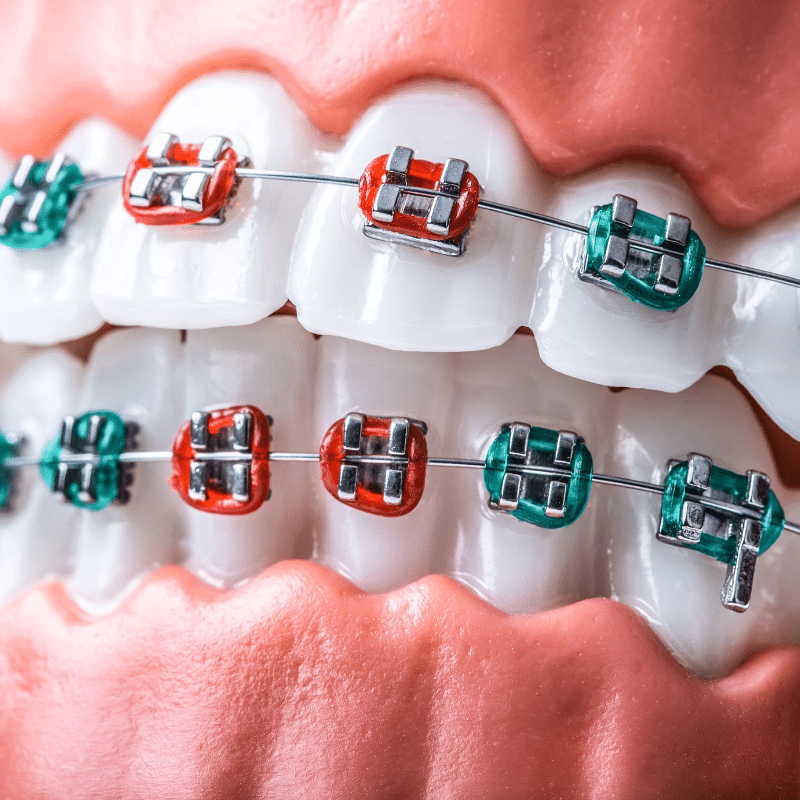
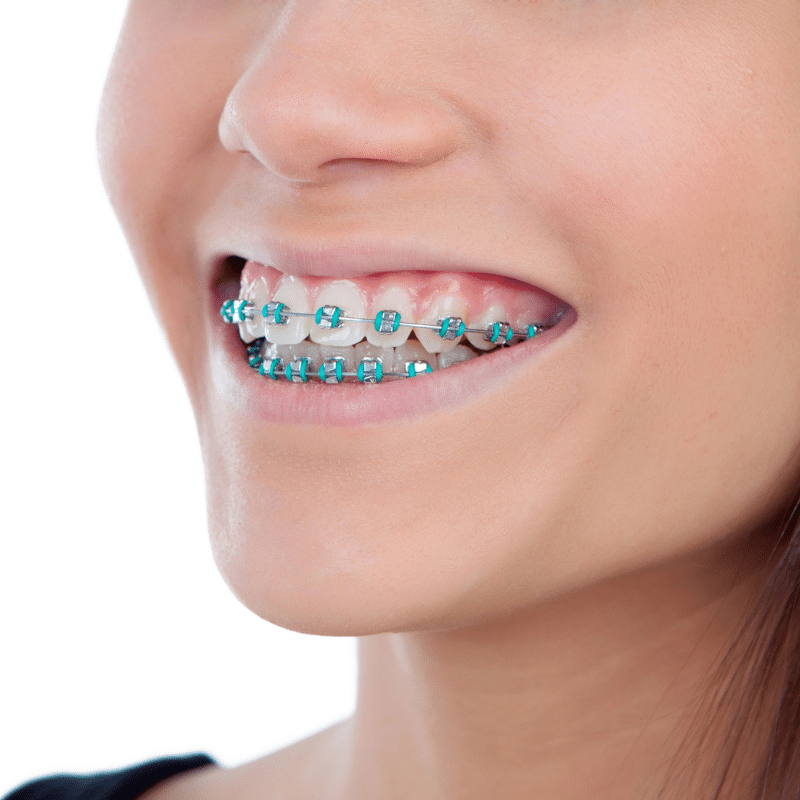
Before we dive into how braces work, let’s first address the fundamental question: what are braces? Braces are a specialized orthodontic device designed to help align teeth and jaws to improve both function and aesthetics. Typically, dental braces in Palo Alto are made up of brackets, wires, and elastic bands that work together to gradually shift your teeth into a more favorable position over time.

How Braces Work

The process of how braces work revolves around the application of controlled force to the teeth. Braces gradually move teeth by applying consistent pressure that allows the bone around the teeth to adjust. The brackets are attached to your teeth, and the wire running through them applies the pressure needed to move your teeth into alignment.

Here’s a breakdown of how this process works step by step:

  • Initial Consultation: Your orthodontist will evaluate your teeth and discuss your treatment options. This is when you’ll learn about the types of braces that are right for your needs.
  • Braces Placement: After determining the best treatment plan, the orthodontist will carefully place the brackets and attach the wire. This initial procedure may take some time, but it’s the first step in beginning the transformation.
  • Adjustments: Throughout the treatment, you will have periodic visits to the orthodontist’s office to have the wire tightened or replaced. These adjustments are crucial in ensuring that your teeth are moving in the right direction.
  • Final Stages: Once your teeth have shifted into their final positions, your orthodontist will remove the braces and discuss the use of retainers to keep your teeth in place.
Types of Braces

There are several types of braces to choose from, depending on your needs, preferences, and budget. Here are some of the most popular options available:

  • Traditional Metal Braces: These are the most common type of braces. Made from stainless steel, they are highly effective at correcting a wide range of dental issues for kids and teens. They consist of metal brackets, wires, and elastic bands.
  • Ceramic Braces: Ceramic braces are similar to metal braces but use clear or tooth-colored brackets to blend in with your natural teeth. They are a less noticeable option for patients who are concerned about the aesthetics of metal braces.
  • Lingual Braces: Lingual braces are placed on the back of your teeth, making them less visible to others. These are customized to fit your teeth and are a great option for adult braces seeking a more discreet treatment.
  • Clear Aligners (Invisalign): Clear aligners are removable trays that gradually shift your teeth into place. They are a popular choice for people who prefer a more discreet, comfortable alternative to traditional braces.

At Twin Smiles Orthodontics in Palo Alto, our orthodontists will help you determine which type of braces is best for you based on your specific needs.

Understanding the Cost of Braces in Palo Alto

Understanding the Cost of Braces in Palo Alto

At Twin Smiles Orthodontics in Palo Alto, we know that deciding to invest in braces is a big step for your smile and oral health. One of the most common questions we hear is, “What is the cost of braces?” This blog will break down the factors that affect braces pricing and help you understand how we make treatment accessible for our Palo Alto patients.

Factors That Influence the Cost of Braces

The cost of braces can vary depending on several factors. As orthodontists, we strive to provide clarity and transparency for all patients. Here are some of the main considerations:

  • Type of Braces: Traditional metal braces, ceramic braces, and Invisalign all come with different price points.
  • Complexity of Treatment: More severe alignment issues often require longer treatment times, which can affect the overall cost.
  • Length of Treatment: Shorter treatments typically cost less, while longer, more involved cases may be higher.
  • Braces Cost with Insurance: Insurance can significantly reduce the cost. Many plans cover part of the treatment, and we’re happy to help you navigate your options.
  • Location: The cost in Palo Alto might differ slightly compared to other areas due to local market conditions.
What is the Average Price for Braces?

Understanding the average price for braces helps you plan for treatment. Generally, the national average ranges from $4,000 to $7,000, but in Palo Alto, prices might be on the higher end due to the cost of living. At Twin Smiles Orthodontics, we provide detailed consultations to outline the exact pricing for your unique case.

Why Choose Palo Alto Orthodontics?

If you’re searching for quality care, Palo Alto orthodontics offers a level of expertise and attention that sets it apart. At Twin Smiles Orthodontics, we specialize in creating personalized treatment plans for every patient. Here’s why our patients trust us:

  • Expert Team: Our orthodontists have years of experience providing exceptional care.
  • Advanced Technology: We use the latest tools to ensure effective and comfortable treatment.
  • Flexible Payment Options: We work with your budget to make braces affordable.
  • Community Focus: As part of the Palo Alto community, we are dedicated to supporting our neighbors and creating healthier smiles.

Orthodontic Expander: A Key Tool for a Healthier Smile in Palo Alto

Orthodontic Expander: A Key Tool for a Healthier Smile in Palo Alto

When it comes to orthodontics, one of the most effective tools we use to create beautiful smiles is the orthodontic expander. At Twin Smiles Orthodontics in Palo Alto, we specialize in creating customized treatment plans that address a wide range of dental concerns. Whether your child needs kids braces, a kids orthodontist, or an RPE orthodontic appliance, we offer a variety of solutions to help improve their oral health and appearance. In this blog post, we’ll explain how an orthodontic expander works, when it’s needed, and how it can benefit your child’s smile.

What is an Orthodontic Expander?

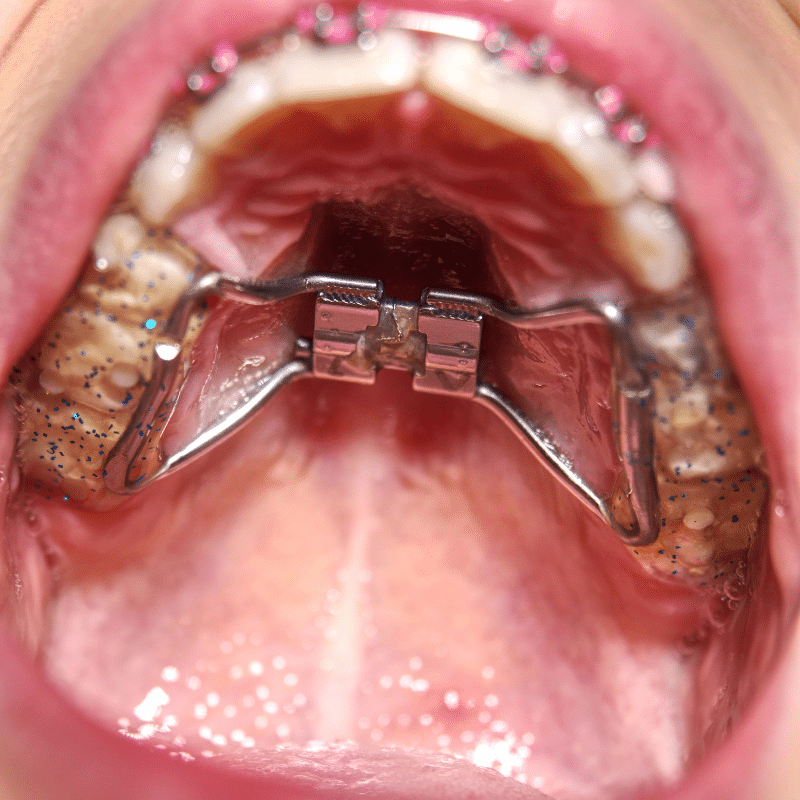
An orthodontic expander is a dental device used primarily to widen the upper jaw. It’s especially useful for patients whose upper jaw is too narrow, which can cause dental crowding, bite problems, or other orthodontic issues. The expander is typically used in growing children, as it is most effective during the early stages of dental development.

The most common type of expander we use is the RPE orthodontic appliance (Rapid Palatal Expander), specifically the Hyrax expander. The RPE orthodontic appliance works by gradually widening the upper palate to correct alignment issues and create space for the permanent teeth to emerge properly.

Why is an Orthodontic Expander Important for Kids?

An orthodontic expander is particularly valuable for kids orthodontist treatments, especially for children between the ages of 7 and 12. During this phase of dental development, a child’s bones are still growing, making it easier to guide the jaw into proper alignment. By using an expander at this age, we can avoid more invasive treatments in the future, such as tooth extractions or more extensive braces.

Benefits of Using an Orthodontic Expander for Your Child:
  • Increased space for teeth: If your child’s teeth are crowded, an expander can create more room for teeth to come in properly.
  • Improved bite alignment: An expander helps address bite issues like crossbites, where the top and bottom teeth don’t align correctly.
  • Prevent future orthodontic issues: By addressing alignment issues early, we can reduce the need for more complicated treatments later on.
  • Reduced need for tooth extractions: Expanding the jaw can prevent the need to remove teeth to make room for others.