

Can Braces Align Jaw? Understanding How Braces Work with Jaw Surgery for Jaw Correction

Can Braces Align Jaw? Understanding How Braces Work with Jaw Surgery for Jaw Correction

At Twin Smiles Orthodontics in Palo Alto, one of the most common questions we hear is whether braces can align jaw issues. Many patients wonder if traditional braces or Invisalign can help correct severe jaw misalignment or if a more invasive solution like jaw surgery is necessary. While braces and Invisalign alone can correct a variety of bite issues, in some cases, jaw surgery may also be required to achieve optimal alignment.

In this post, we’ll explain how braces for jaw correction work in conjunction with jaw surgery and why it’s essential for orthodontists and orthognathic oral surgeons to work together to create the best treatment plan for your jaw alignment. We’ll also touch on the role of sleep apnea orthodontics in jaw treatment.

Can Braces Align Jaw Issues?

Braces are a powerful tool for improving tooth alignment and correcting bite issues. For many patients, braces for jaw correction can improve jaw function and aesthetic appearance by shifting teeth into their ideal position. However, when there is significant misalignment of the jawbones themselves, additional procedures, like jaw surgery, may be necessary to reposition the bones.

Here’s how braces can align jaw problems:

  • Tooth Alignment: Braces work by gradually moving the teeth into better alignment, which in turn can help with correcting bite issues such as overbites, underbites, and crossbites.
  • Jaw Shifting: For some patients, braces can help shift the jaw slightly, especially in younger patients whose jawbones are still growing. This can assist with correcting milder jaw misalignments.
  • Combining with Other Devices: Braces can be combined with appliances like elastics, expanders, or headgear to assist with more complex cases of jaw misalignment.
When Is Jaw Surgery Necessary?

While braces can correct many mild to moderate bite issues, there are cases where more invasive treatment like jaw surgery is necessary to fully correct the jaw alignment. This is especially true for patients with severe bite issues or malformed jawbones.

Here’s why jaw surgery might be necessary:

  • Severe Misalignment: In cases where the teeth and jaw are significantly misaligned, braces alone may not be enough. Jaw surgery can reposition the jawbones, improving both function and appearance.
  • Jawbone Positioning: If the upper and lower jawbones are not aligned correctly, jaw surgery can be used to move the bones into the correct position.
  • Pain and Discomfort: For some patients, jaw misalignment can cause pain, difficulty chewing, or even problems with speech. Jaw surgery can relieve these issues by repositioning the jawbones.
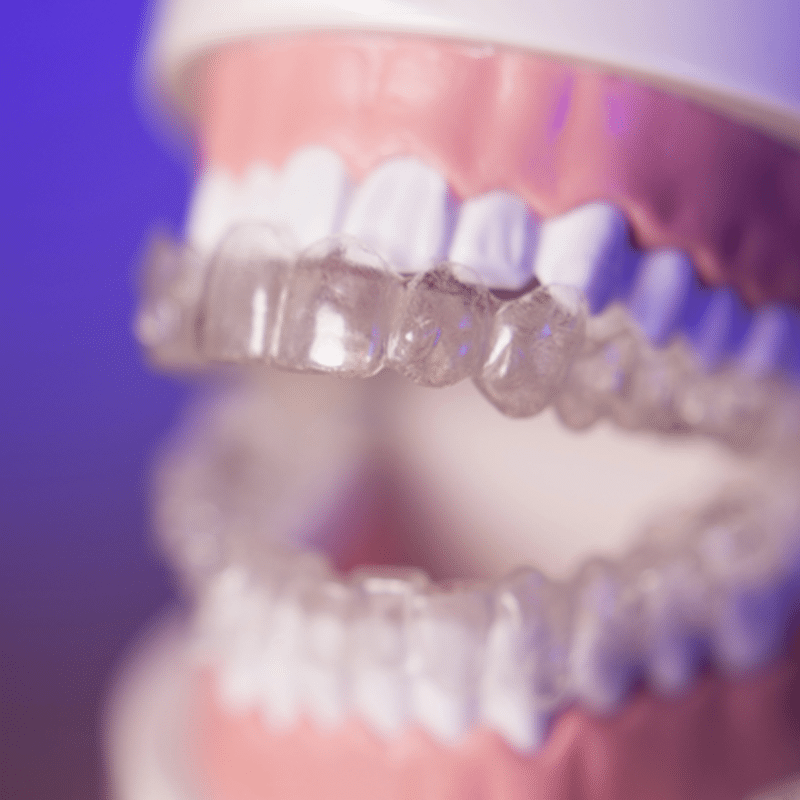
Invisalign Cost in Palo Alto: What You Need to Know from Your Local Orthodontists

Invisalign Cost in Palo Alto: What You Need to Know from Your Local Orthodontists

When considering orthodontic treatment, one of the most important factors that comes into play is the Invisalign cost. In Palo Alto, many people are turning to Invisalign as an effective and discreet way to straighten their teeth. As a group of experienced orthodontists, we understand that the Invisalign cost is a key consideration when making a decision about orthodontic treatment. Our team at Twin Smiles Orthodontics in Palo Alto is here to provide you with the most up-to-date information on Invisalign, including pricing, treatment options, and the benefits it offers.

Understanding the Invisalign Cost in Palo Alto

The Invisalign cost can vary depending on several factors, including the complexity of your case, the length of treatment, and where you live. In Palo Alto, the Invisalign cost typically falls within a specific range. On average, patients can expect to pay anywhere from $3,000 to $9,000 for their Invisalign treatment. However, this is just an estimate, and the actual cost will depend on your individual needs and the severity of your dental concerns.

At Twin Smiles Orthodontics in Palo Alto, we believe in offering our patients a customized approach to treatment. Our team will provide a detailed treatment plan with a breakdown of all costs so that you have a clear understanding of what to expect financially.

Factors That Affect Invisalign Cost

Several factors can influence the Invisalign cost in Palo Alto. It’s important to keep these factors in mind when evaluating the total cost of your treatment:

  • Severity of Misalignment: If your teeth are severely misaligned or require more complex adjustments, the treatment may take longer, which can increase the Invisalign cost.
  • Treatment Length: The longer your treatment takes, the higher the Invisalign cost may be. Most treatments last between 12 to 18 months, but this varies depending on your case.
  • Age and Growth Stage: The age of the patient and whether they are still growing can affect the complexity of the treatment and the associated costs.
  • Location of Treatment: Different areas, such as Palo Alto, may have different pricing structures. Typically, urban areas with a higher cost of living tend to have slightly higher orthodontic costs.
  • Experience of the Invisalign orthodontist: The expertise of your Invisalign orthodontist also plays a role in the pricing of your treatment. An experienced orthodontist may charge more, but the quality and success of your treatment are well worth the investment.

Reverse Pull Headgear (Facemask): A Powerful Tool for Early Orthodontic Treatment in Palo Alto

Reverse Pull Headgear (Facemask): A Powerful Tool for Early Orthodontic Treatment in Palo Alto

At Twin Smiles Orthodontics in Palo Alto, we are dedicated to providing the best early orthodontic treatment options for children who need assistance in guiding jaw growth. One of the most effective tools for correcting underbites in growing patients is the reverse pull headgear, also known as a facemask. This orthodontic appliance plays a crucial role in addressing skeletal imbalances and can prevent the need for more invasive treatments later in life.

What is Reverse Pull Headgear?

Reverse pull headgear is a specialized orthodontic appliance designed to correct underbites in young patients. It works by applying gentle forward force to the upper jaw (maxilla), encouraging proper growth and alignment. This appliance is most effective when used during childhood, as the bones are still developing and can be guided more easily.

How Does Reverse Pull Headgear Work?

  • The reverse pull headgear consists of a metal or plastic frame that rests against the child’s forehead and chin.
  • Elastics connect the frame to brackets or hooks on the upper teeth or a palatal expander.
  • The appliance applies a forward pulling force, gradually shifting the upper jaw into a more ideal position.
  • Treatment is usually recommended for 14-16 hours per day, typically worn during sleep and at home.
  • The duration of treatment varies but generally lasts between 6-12 months, depending on the severity of the underbite.
Who Needs Reverse Pull Headgear?

Not every child requires a reverse pull headgear, but it is particularly beneficial for those with a skeletal underbite. Our orthodontists at Twin Smiles Orthodontics in Palo Alto evaluate each patient individually to determine if this treatment is necessary.

Signs that a Child May Benefit:

  • A noticeable underbite (lower teeth sit in front of upper teeth)
  • Difficulty biting or chewing due to jaw misalignment
  • Speech difficulties caused by improper jaw positioning
  • Family history of underbites or skeletal jaw discrepancies