What Happens If You Don’t Wear Elastics?

If you or your teen has been given rubber bands with braces, you may be wondering: what really happens if you skip them? As orthodontists, we can confidently say that inconsistent elastic wear is one of the most common causes of Braces treatment delays in Palo Alto.

Elastics (rubber bands) are small, but they do big work. When patients don’t wear them as prescribed, bite correction slows — and sometimes completely stalls. In fact, many cases of Braces treatment delays in Palo Alto trace back directly to inconsistent elastic wear.

Let’s break down exactly why elastics matter and what happens when they aren’t worn consistently.

What Do Elastics Actually Do?

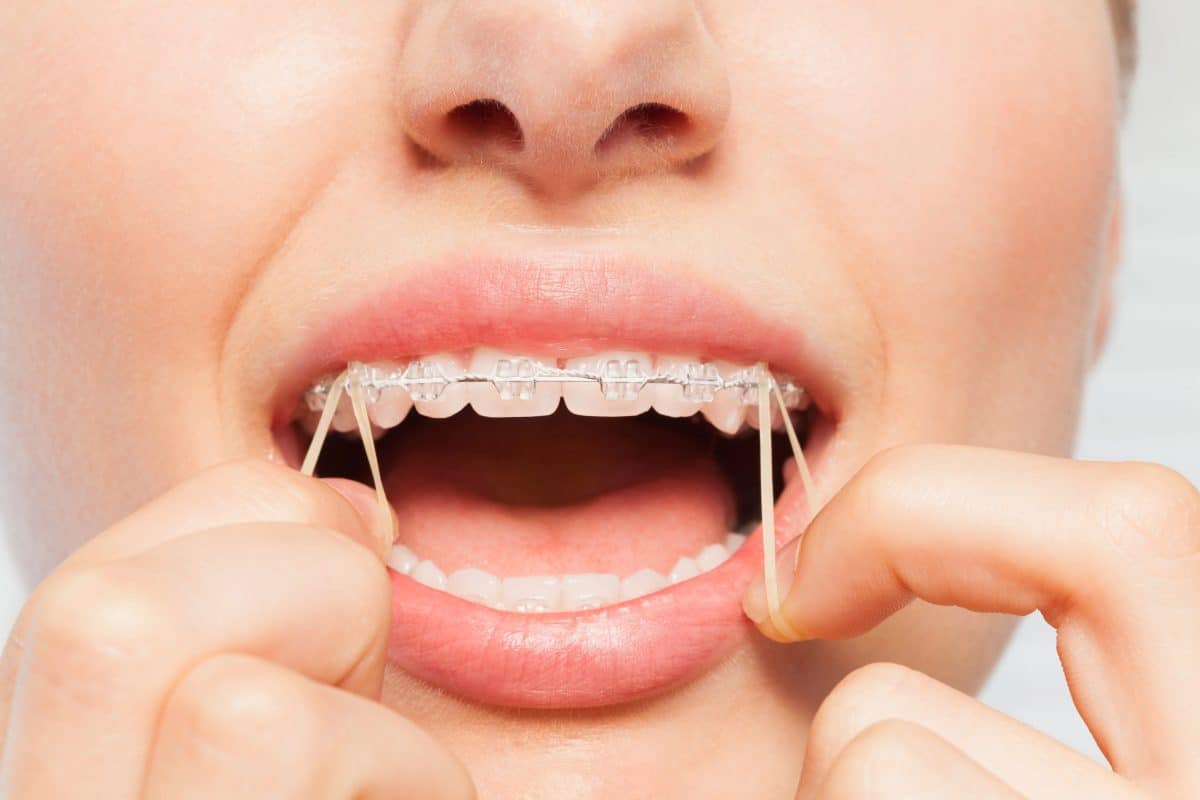
Braces straighten teeth, but elastics correct how your upper and lower teeth fit together.

They help fix:

  • Overbites
  • Underbites
  • Crossbites
  • Midline discrepancies

Without elastics, your teeth may look straighter, but your bite may not be properly aligned. When patients don’t wear elastics consistently, progress toward ideal bite correction slows dramatically.

This is why we emphasize elastic compliance at every visit in our Palo Alto office.

What Happens If You Don’t Wear Elastics?

Here’s what we typically see when patients stop wearing elastics or wear them only occasionally:

Tooth Movement Slows

Orthodontic tooth movement relies on continuous, gentle pressure. When you wear elastics only part-time, the pressure becomes inconsistent. Teeth may shift forward and backward slightly instead of progressing steadily.

This inconsistent movement is one of the biggest drivers of Braces treatment delays in Palo Alto.

Bite Correction Stalls

Braces can align teeth without elastics, but they cannot correct most bite discrepancies alone.

If elastics are not worn:

  • Overbites may not fully correct
  • Underbites may remain unstable
  • Jaw alignment improvements slow

When bite correction stalls, treatment time increases — leading to additional Braces treatment delays in Palo Alto.

Treatment May Extend by Months

Many families assume skipping elastics for a week or two won’t matter.

In reality, even short breaks in compliance can:

  • Add several weeks to treatment
  • Reverse prior progress
  • Require stronger elastics later

Over time, inconsistent habits significantly contribute to Braces treatment delays in Palo Alto.

You May Need to Wear Elastics Longer

Ironically, not wearing elastics often means you’ll need to wear elastics even longer overall.

When progress slows, orthodontists must extend the elastic phase to regain proper alignment. This prolongs total treatment time and increases the likelihood of Braces treatment delays in Palo Alto.

Why Elastics Require 20–22 Hours Per Day

We typically instruct patients to wear elastics 20–22 hours per day, removing them only to eat and brush.

Why?

Because orthodontic tooth movement depends on consistent force. When elastics are removed for extended periods:

  • Bone remodeling pauses
  • Teeth shift backward
  • Bite correction becomes unpredictable

Consistency is key to avoiding Braces treatment delays in Palo Alto.

Common Reasons Teens Don’t Wear Elastics

We understand that elastic compliance can be challenging. In Palo Alto families, we often hear:

  • “They’re uncomfortable.”
  • “I forgot.”
  • “I don’t like how they look.”
  • “I thought I didn’t need them all the time.”

But elastics are temporary. Wearing them consistently now can prevent months of extended treatment later.

How to Stay Consistent

Here are practical strategies we recommend to families in Palo Alto:

  • Keep extra elastics in backpacks and sports bags
  • Set phone reminders
  • Replace elastics after every meal
  • Build elastic wear into morning and nighttime routines

If discomfort is an issue, contact our office. Sometimes small adjustments can improve comfort and prevent Braces treatment delays in Palo Alto.

Elastics and Finishing Braces on Time

If your goal is to finish treatment efficiently, elastic wear is non-negotiable.

We encourage families to read our full guide on How to Finish Braces on Time in Palo Alto, which outlines how elastic compliance, appointment attendance, and appliance care all work together.

Additionally, broken appliances can compound delays — which we discuss in our article on how broken brackets delay your braces treatment.

When patients combine:

They dramatically reduce the risk of Braces treatment delays in Palo Alto.

Skipping elastics doesn’t just slow progress — it can significantly extend your treatment timeline. As orthodontists serving families throughout Palo Alto, we see firsthand how inconsistent elastic wear leads to preventable Braces treatment delays in Palo Alto.

The good news? This is completely within your control.

If you have questions about your elastic wear or treatment timeline, we invite you to schedule a free orthodontic consultation at Twin Smiles Orthodontics in Palo Alto. Our team is here to help you stay on track and avoid unnecessary Braces treatment delays in Palo Alto.
How to Clean Your Retainers: A Palo Alto Orthodontist’s Guide

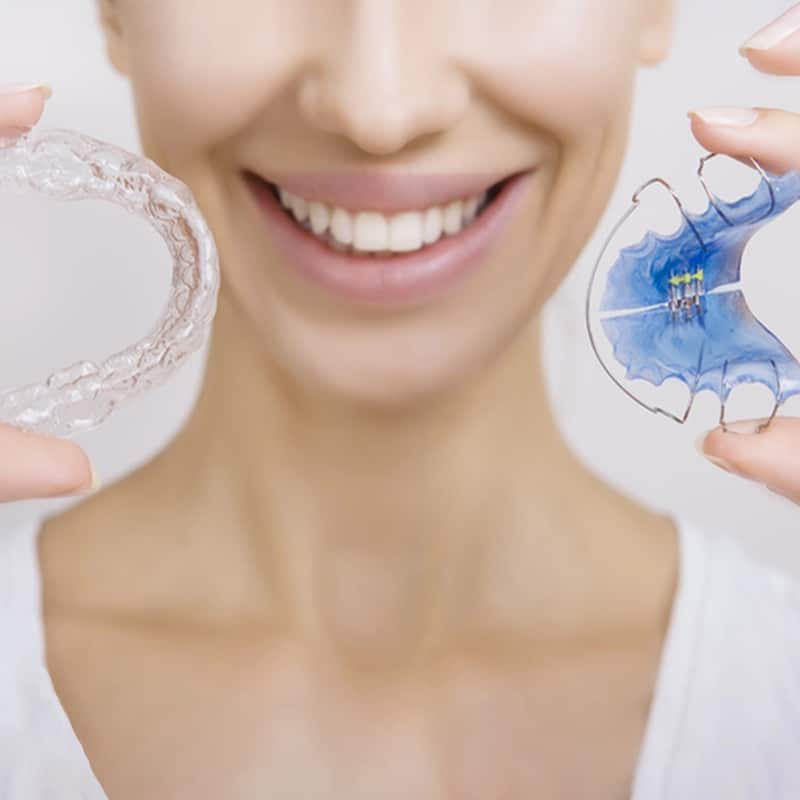
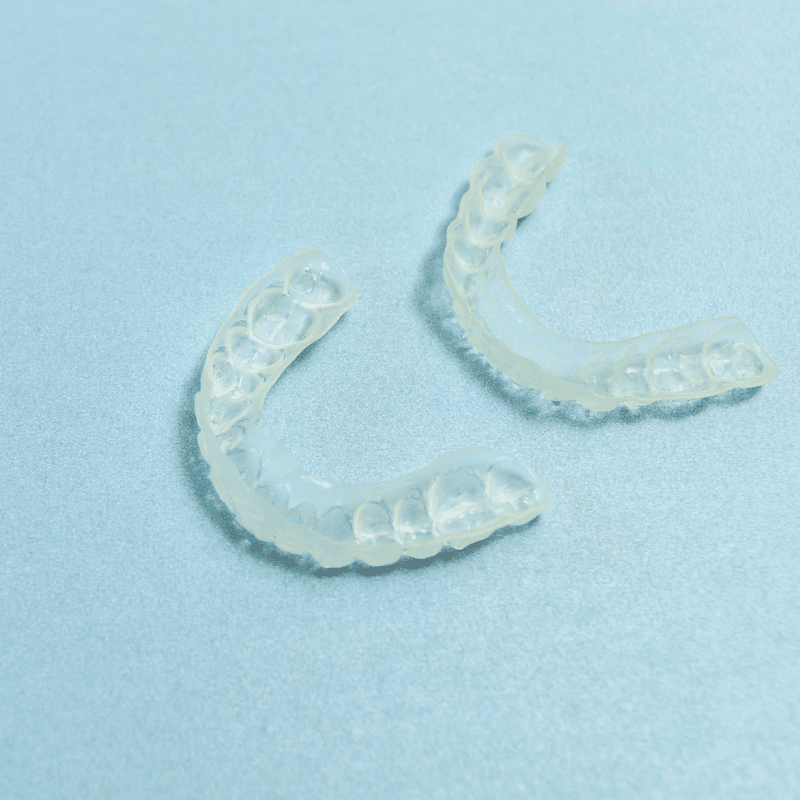
As orthodontists serving Palo Alto, we’re often asked: how to clean your retainers? Keeping your retainers clean isn’t just about hygiene—it’s about protecting your investment in a healthy, beautiful smile. Whether you’re wearing clear plastic retainers or traditional Hawley retainers, maintaining them properly can prevent unwanted odors, bacteria buildup, and even long-term dental issues.

In this post, our team at Twin Smiles Orthodontics in Palo Alto will walk you through everything you need to know about how to clean your retainers, which products to avoid, and how to build it into your daily routine.

Why Retainer Hygiene Matters

Your retainer sits in your mouth for hours each day, often overnight. During that time, it collects bacteria, plaque, and even food particles. If not cleaned properly, your retainer can cause:

  • Bad breath
  • Staining and discoloration
  • Tartar buildup
  • Gum irritation or infection

For patients in Palo Alto, understanding how to clean your retainers helps preserve both your orthodontic results and your overall well-being.

Types of Retainers and Their Cleaning Needs

Different retainers require different care. Here’s how we recommend cleaning the most common types:

Dental Retainer Cleaner: Why It’s Essential for Your Smile in Palo Alto

Dental Retainer Cleaner: Why It’s Essential for Your Smile in Palo Alto

As orthodontists in Palo Alto, we know that taking care of your dental appliances, particularly your retainer, is a key part of maintaining a healthy smile after orthodontic treatment. Whether you’ve completed your braces treatment or are finishing up with Invisalign, proper cleaning and maintenance of your retainer is essential. A question we often hear is, “How do I properly clean my dental retainer?” In this blog post, we’ll explain why using a dental retainer cleaner is a must for your retainer’s longevity and your oral health.

What Is a Dental Retainer Cleaner?

A dental retainer cleaner is a specially formulated product designed to clean your retainer without damaging the material. Whether you have a plastic retainer, wire retainer, or one used for Invisalign treatment, using a dental retainer cleaner regularly is important to avoid the build-up of bacteria, plaque, or odors. Regular cleaning will help ensure your retainer stays fresh, safe to wear, and free of harmful germs.

Why Should You Use a Dental Retainer Cleaner?

As orthodontists in Palo Alto, we understand that it can be easy to forget about cleaning your retainer, especially after your braces or Invisalign journey. However, there are several reasons why cleaning your retainer is crucial:

  1. Prevents Bacteria Build-Up
    After any form of orthodontic treatment, your mouth can still harbor bacteria. Without proper cleaning, your retainer can trap food particles, germs, and saliva. A dental retainer cleaner helps eliminate these risks and keeps your retainer bacteria-free.
  2. Prevents Bad Odors
    A dental retainer cleaner not only sanitizes your retainer but also helps to remove lingering odors. Whether you wear a retainer after braces or are using an Invisalign retainer, regular cleaning will leave your appliance fresh and ready for use.
  3. Preserves the Integrity of Your Retainer
    If you don’t take proper care of your retainer, it can become warped or damaged. This could affect its fit and effectiveness. Using a dental retainer cleaner regularly will help preserve your retainer’s shape and make sure it lasts throughout your post-treatment phase.
  4. Supports Oral Hygiene
    A clean retainer contributes to better overall oral health. By using a dental retainer cleaner, you help prevent gum irritation, tooth decay, and bad breath that could develop due to the build-up of bacteria or plaque on your appliance.
How to Clean Your Retainer with a Dental Retainer Cleaner

Cleaning your retainer with a dental retainer cleaner is easy and highly effective. Here’s a step-by-step guide:

  • Step 1: Rinse your retainer under lukewarm water to remove any excess saliva or food particles.
  • Step 2: Apply the dental retainer cleaner according to the manufacturer’s instructions. Some cleaners are soaking solutions, while others come in the form of sprays or wipes.
  • Step 3: If you’re using a soaking cleaner, let your retainer sit in the solution for 15–20 minutes.
  • Step 4: After soaking, use a soft toothbrush to gently scrub away any remaining debris or plaque.
  • Step 5: Rinse the retainer thoroughly under cool water before placing it back in your mouth.

How to Wear Your Retainer After Orthodontic Treatment: A Guide for Palo Alto Patients

How to Wear Your Retainer After Orthodontic Treatment: A Guide for Palo Alto Patients

Congratulations on completing your orthodontic treatment! You’ve worked hard to align your teeth with braces or Invisalign and create a beautiful, confident smile. Now, the real challenge begins: maintaining your results for a lifetime. The key to keeping your teeth in their perfect position is proper retainer care.

In this blog, we’ll explain why retainers are essential to your smile’s longevity, provide a clear retainer wear schedule, and share tips on how to take care of your retainer to ensure it lasts. If you’re looking for guidance on post-orthodontic care in Palo Alto, keep reading!

Why Retainers Are Important for Your Smile

Your orthodontic treatment has worked hard to align your teeth, but without a retainer, your teeth may shift back over time. It’s a natural process—teeth naturally move as you age, and even people with naturally straight teeth may experience shifts. However, you don’t want your hard-earned results to fade. By wearing your retainer consistently, you’ll preserve your newly aligned teeth and enjoy your beautiful smile for years to come.

As Palo Alto orthodontists, we recommend that you follow the retainer guidelines to ensure the best results. Retainers play a critical role in stabilizing your teeth and allowing your bone structure to adjust to your newly aligned teeth. When you take care of your retainer and wear it as instructed, you’re giving your smile the best chance to stay intact.

Your Retainer Wear Schedule: How Much Should You Wear It?

Adhering to a retainer schedule is one of the most important things you can do after finishing orthodontic treatment. Here’s a simple breakdown of how much you should wear your retainer after your treatment in Palo Alto.

First 4 Months:
  • Wear your retainer full-time, at least 20 hours per day.
  • The only exceptions are when you’re eating and brushing your teeth.
  • It’s crucial to stick to this schedule to avoid shifting.
After 4 Months:
  • Switch to nighttime wear only.
  • Continue wearing your retainer every night indefinitely, or follow your orthodontist’s guidance if adjustments are necessary.
After 1 Year:
  • Most patients should wear their retainer every night indefinitely for optimal results.
  • If you’re looking for more flexibility, here are a few options:
    • Regular Nighttime Wear: Continue wearing your retainer every night.
    • Limited Nighttime Wear: Wear it 3-4 nights per week.
    • Wear as Needed: Check the fit of your retainer once a week, and if your teeth start to shift, resume nightly wear until they feel stable again.
How to Care for Your Retainer

To preserve both the fit and function of your retainer, proper maintenance is essential. Here are some tips to keep your retainer in top shape:

  • Insertion: Use your fingers to gently place the retainer in your mouth. Never bite it into position, as this can damage the retainer.
  • Cleaning: Brush your retainer daily with a soft toothbrush and mild soap. Occasionally soak it in a denture cleaner to keep it fresh.
  • Avoid Heat: Don’t expose your retainer to heat sources like hot water or direct sunlight. This can warp the material and affect the fit.
  • No Chewing: Don’t chew or play with your retainer. Avoid eating or chewing gum while wearing it.
  • Storage: Always store your retainer in its case when not in use. This protects it from damage and prevents loss.
  • Keep Away from Pets: Pets can be attracted to retainers, so be sure to keep them out of reach.