
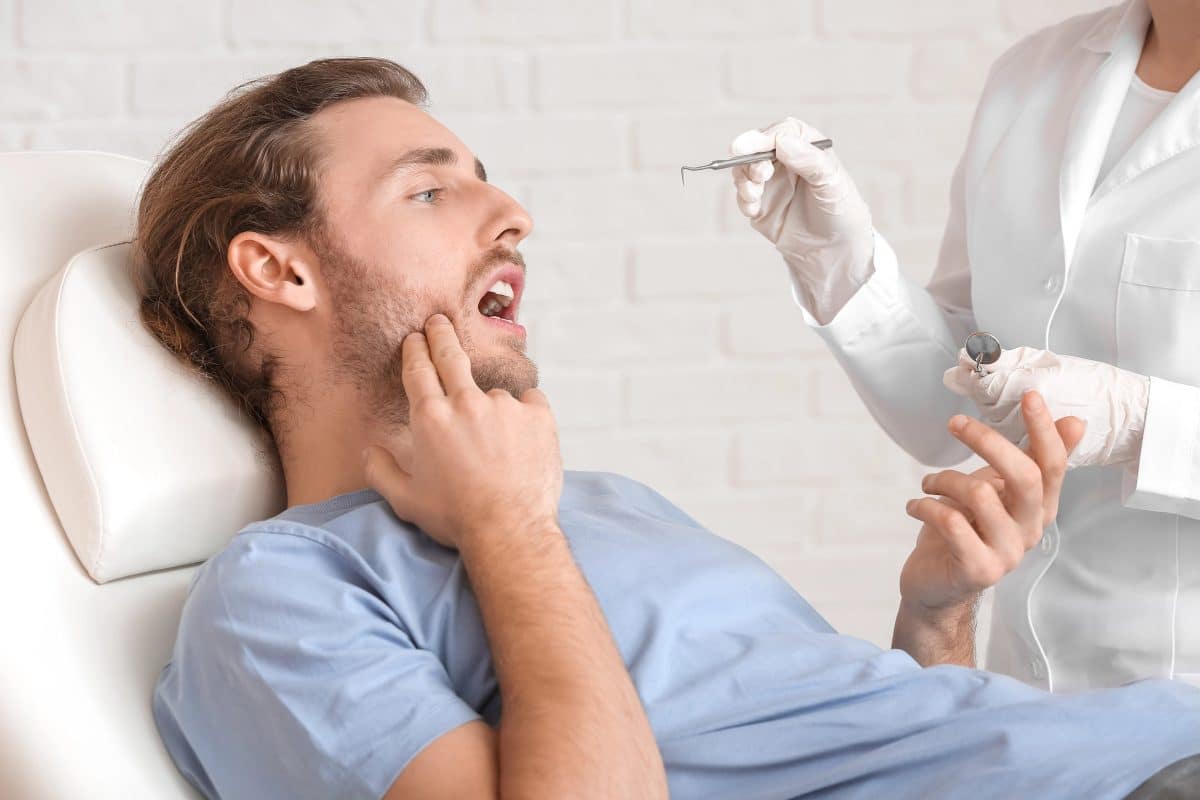
Understanding Jaw Surgery Recovery Time: What Patients in Palo Alto Need to Know

If you’re considering or preparing for jaw surgery, also known as orthognathic surgery, one of the most common questions we hear at our practice is, “How long is the recovery?” As a team of experienced orthodontists in Palo Alto, we at Twin Smiles Orthodontics understand that knowing what to expect can make all the difference. Jaw surgery recovery time varies for every patient, but there are general timelines and tips that can help ease your mind and guide you through the process.

In this post, we’ll walk you through the jaw surgery recovery time, what the healing process involves, and how to prepare for each stage. Whether you’re a current patient or exploring treatment options in Palo Alto, this guide is designed to provide clarity and confidence.

What Is the Typical Jaw Surgery Recovery Time?

Most patients can expect their initial jaw surgery recovery time to last around 6–8 weeks. However, full recovery can take up to 12 weeks or longer, depending on individual healing and the complexity of the procedure. It’s important to keep in mind that your journey doesn’t end once the surgery is over—post-operative care is key to a smooth and successful outcome.

Why Choosing the Right Invisalign Orthodontist in Palo Alto Is Important

If you’ve been thinking about improving your smile, you’ve probably heard of Invisalign. It’s one of the most popular and trusted forms of clear aligners available today — and for good reason. Invisalign offers a discreet, comfortable way to straighten teeth without traditional metal braces.

But here’s the truth: the success of your treatment isn’t just about the aligners. It’s about who’s planning and managing your care.

Choosing the right Invisalign orthodontist is critical, especially in a city like Palo Alto, where patients expect high-quality, personalized treatment. At Twin Smiles Orthodontics in Palo Alto, our board-certified orthodontists specialize in Invisalign, and we’ve helped hundreds of patients get healthy, confident smiles using this innovative braces alternative.

How to Prevent White Spot Lesions While Wearing Braces in Palo Alto

At Twin Smiles Orthodontics in Palo Alto, we understand that starting braces is an exciting step toward a healthier, more confident smile. But as orthodontists, one of the most common concerns we hear from patients and parents in Palo Alto is about white spot lesions—those chalky-looking spots that can appear on teeth during or after braces.

If you’re undergoing orthodontic treatment in Palo Alto, it’s essential to know how to prevent white spot lesions, what causes them, and how they relate to tooth decay with braces. Here’s what you need to know to keep your smile bright and healthy throughout treatment.

What Are White Spot Lesions?

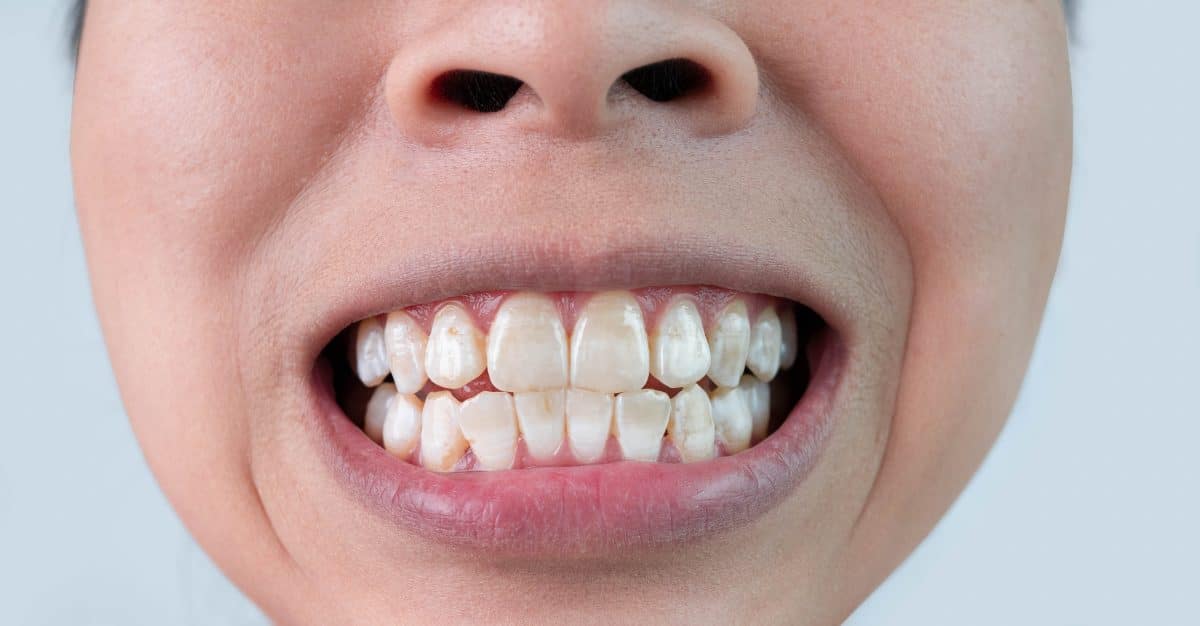
White spot lesions are early signs of enamel demineralization. They appear as dull, milky-white patches on the teeth and are often found around the brackets or where plaque has accumulated. These spots can become permanent if not addressed during orthodontic treatment.

While many people assume they’re simply cosmetic, white spot lesions are an early indicator of tooth decay with braces, which can progress to cavities if not properly managed.

Why Are Patients in Palo Alto at Risk?

In Palo Alto, where we see many teens and adults with braces, we’ve noticed a pattern: busy lifestyles can sometimes lead to rushed brushing or skipped flossing—two of the biggest contributors to plaque buildup and, eventually, white spots with braces.

Whether you’re a student, professional, or busy parent in Palo Alto, the challenge is the same: staying consistent with your oral hygiene routine during treatment.

Another contributing factor is diet. Many of our patients in Palo Alto enjoy on-the-go snacks, sports drinks, and energy bars—all of which can contain hidden sugars. These sugars feed the bacteria that cause tooth decay with braces and increase the likelihood of white spot lesions.