Why Missed Orthodontic Appointments Slow Down Braces Treatment

Life in Palo Alto is busy. Between academics, sports, travel, and packed family calendars, it’s easy to reschedule an orthodontic visit. However, missed appointments are one of the most common and preventable causes of Braces treatment delays in Palo Alto.

As orthodontists serving families throughout the Palo Alto community, we see firsthand how even small scheduling gaps can slow progress. Orthodontic treatment depends on carefully timed adjustments. When visits are postponed repeatedly, momentum is lost — and that often leads to Braces treatment delays in Palo Alto.

Let’s talk about why appointment consistency matters so much.

Orthodontic Treatment Is Time-Based

Braces don’t work all at once. They work in stages.

At each visit, we:

  • Adjust wires
  • Monitor tooth movement
  • Change elastic patterns
  • Advance treatment to the next phase

When an appointment is missed, those planned adjustments don’t happen on schedule. That interruption frequently contributes to Braces treatment delays in Palo Alto.

Orthodontic movement is most efficient when visits occur at consistent intervals.

What Happens When Appointments Are Missed?

Tooth Movement Can Plateau

Orthodontic wires are designed to apply force for a specific period of time. If a patient goes too long between visits, the wire may stop being effective.

This plateau effect is one of the hidden contributors to Braces treatment delays in Palo Alto.

Treatment Sequencing Gets Disrupted

Orthodontics follows a sequence:

  1. Alignment
  2. Space closure
  3. Bite correction
  4. Finishing details

When appointments are delayed, we cannot move to the next step as planned. This slows the entire treatment sequence and increases the likelihood of Braces treatment delays in Palo Alto.

Broken Brackets Go Unnoticed

Sometimes families miss appointments without realizing a bracket has loosened or a wire has shifted.

Untreated appliance issues can compound delays. As we discussed in our article on broken brackets, unrepaired damage is a major cause of Braces treatment delays in Palo Alto.

Regular visits allow us to catch small issues early before they add weeks to treatment.

Elastic Compliance May Decrease

Missed visits can also impact motivation.

When we see patients regularly, we reinforce elastic wear instructions and adjust as needed. Gaps in care sometimes lead to inconsistent elastic wear — another contributor to Braces treatment delays in Palo Alto.

If you haven’t yet, we recommend reading our article on what happens if you don’t wear elastics, as these two issues often overlap.

How Much Can One Missed Appointment Delay Treatment?

Families often ask, “Does one rescheduled visit really matter?”

Occasionally, one short delay may not create a major setback. However, repeated rescheduling throughout treatment almost always results in measurable Braces treatment delays in Palo Alto.

In our experience, consistent scheduling is one of the strongest predictors of finishing efficiently.

Why Appointment Consistency Matters in Palo Alto

Palo Alto families tend to have:

  • Competitive sports schedules
  • Academic commitments
  • Travel plans
  • Extracurricular activities

While we understand these demands, orthodontic treatment still requires predictable follow-up.

When patients prioritize visits and plan ahead, we see far fewer cases of Braces treatment delays in Palo Alto.

How to Stay on Schedule

Here are strategies we recommend to prevent scheduling-related Braces treatment delays in Palo Alto:

  • Book your next visit before leaving the office
  • Add appointments to digital calendars immediately
  • Avoid canceling unless absolutely necessary
  • Notify us early if a conflict arises

Proactive planning helps keep treatment moving smoothly.

Missed Appointments and Finishing On Time

If your goal is to finish efficiently, appointment consistency is critical.

In our pillar article, How to Finish Braces on Time in Palo Alto, we explain how elastic wear, avoiding broken brackets, and keeping appointments all work together to prevent Braces treatment delays in Palo Alto.

Each factor reinforces the others. Skipping visits disrupts that balance.

Orthodontic treatment is a partnership. While life in Palo Alto is busy, consistent follow-up appointments are essential to avoid Braces treatment delays in Palo Alto.

Most scheduling-related delays are preventable with thoughtful planning and communication.

If you have questions about your treatment timeline or need help coordinating visits, we invite you to schedule a free orthodontic consultation at Twin Smiles Orthodontics in Palo Alto. Our team is committed to helping families minimize Braces treatment delays in Palo Alto and finish confidently.

How to Finish Braces on Time: Top Five Things Every Patient Should Know

One of the most common questions we hear from patients in Palo Alto is, “How can I make sure I’m done with braces on time?” Orthodontic treatment is a commitment, and understanding how to finish braces on time can make the entire experience smoother and less stressful.

As orthodontists, we want every patient to reach the finish line as efficiently as possible. While some factors are biological, many delays are preventable. Knowing how to finish braces on time puts more control in your hands and helps keep treatment progressing as planned.

Why Braces Sometimes Take Longer Than Expected

Before talking about what helps, it’s important to understand what causes delays.

Common reasons braces extend beyond the estimated timeline include:

  • Missed or rescheduled appointments
  • Broken brackets or wires
  • Poor elastic (rubber band) wear
  • Inconsistent oral hygiene
  • Growth-related changes in younger patients

In our Palo Alto office, many treatment delays fall into the category of braces treatment delays that could have been avoided with consistent habits.

Top 5 Things You Can Do to Be Done With Braces on Time

Below are the most effective ways patients can stay on track and avoid unnecessary extensions.

1. Wear Your Elastics Exactly as Prescribed

Rubber bands are one of the most powerful tools in orthodontics — and also one of the most commonly ignored.

If elastics aren’t worn consistently:

  • Teeth stop moving as planned
  • Bite correction stalls
  • Treatment length increases

One of the biggest contributors to braces treatment delays is inconsistent elastic wear.

Following instructions is one of the most important orthodontic compliance tips we give patients in Palo Alto.

2. Avoid Breaking Brackets and Wires

Broken appliances almost always slow treatment.

To prevent breakage:

  • Avoid hard foods like ice and nuts
  • Skip sticky foods like caramel and gum
  • Cut apples and crunchy foods into small pieces

Every broken bracket can set treatment back weeks — especially if repairs are delayed.

Minimizing emergencies is a key part of how to finish braces on time.

3. Keep All Scheduled Appointments

Orthodontic treatment is carefully timed. Each visit builds on the previous one.

Missing appointments can lead to:

  • Delayed wire changes
  • Slowed tooth movement
  • Unnecessary extensions

In Palo Alto, busy schedules are common — but keeping appointments is one of the most impactful orthodontic compliance tips patients can follow.

Even small delays add up over time and contribute to braces treatment delays.

4. Maintain Excellent Oral Hygiene

Healthy gums allow teeth to move efficiently.

Poor hygiene can cause:

  • Inflammation
  • Swelling
  • Bleeding gums
  • Temporary pauses in treatment

If gums aren’t healthy, we may need to slow or pause movement — which directly affects how to finish braces on time.

That’s why we emphasize brushing, flossing, and routine dental cleanings for all patients in Palo Alto.

5. Follow Instructions Between Visits

Orthodontic treatment doesn’t stop when you leave the office.

Success depends on:

  • Wearing elastics as directed
  • Using appliances properly
  • Avoiding damaging habits
  • Communicating concerns early

Following these orthodontic compliance tips consistently helps prevent setbacks and supports efficient progress.

Patients who follow instructions closely are far more likely to finish treatment on schedule.

How Compliance Impacts Your Timeline

When patients ask us how to finish braces on time, the answer almost always comes back to consistency.

Good habits help:

  • Teeth move more predictably
  • Bite correction stay on schedule
  • Appointments remain productive

Poor compliance leads to braces treatment delays, often adding months to treatment unnecessarily.

In our Palo Alto practice, the patients who finish on time are almost always the ones who stay engaged throughout the process.

What Happens If Treatment Is Delayed?

Delays can affect more than just timing.

Extended treatment may increase:

  • Risk of enamel decalcification
  • Gum irritation
  • Overall treatment fatigue

That’s why we focus heavily on prevention — not just correction — when discussing how to finish braces on time.

Our Role as Orthodontists

As orthodontists serving Palo Alto, our responsibility is to:

  • Design efficient treatment plans
  • Monitor progress closely
  • Adjust mechanics when needed
  • Educate patients clearly

But success is always a partnership.

When patients follow guidance and apply these orthodontic compliance tips, treatment stays efficient and predictable.

Staying Motivated During Treatment

Braces can feel long — especially in the middle phase.

We encourage patients in Palo Alto to remember:

  • Each adjustment moves you closer to the finish
  • Consistency matters more than perfection
  • Small habits create big results

Staying focused on how to finish braces on time can make the experience feel much more manageable.

Ready to Start (or Stay on Track)?

If you’re considering braces or currently in treatment and want to make sure you’re doing everything possible to stay on schedule, we’re here to help.

At Twin Smiles Orthodontics in Palo Alto, we offer a free orthodontic consultation where we review your treatment goals, answer questions, and help you stay on track from start to finish.

👉 Schedule your free orthodontic consultation with Twin Smiles Orthodontics in Palo Alto today and let’s work together toward a healthy, confident smile — right on time.


Understanding MARPE (Mini Screw Assisted Rapid Palatal Expander) in Palo Alto

When patients come to us at Twin Smiles Orthodontics, one of the most common questions we hear is about expansion appliances and how they can help create space in the upper jaw. In certain cases, especially for older teens and adults, traditional expanders may not provide enough skeletal change. That’s where the MARPE (Mini Screw Assisted Rapid Palatal Expander) comes in.

As a group of orthodontists serving the Palo Alto community, we’ve seen how this innovative treatment can make a lasting difference for patients who need more than just dental expansion. Let’s break down what MARPE is, how it works, and why it may be the right choice for some individuals.

Impacted Canine Treatment: What Parents in Palo Alto Need to Know

As orthodontists, one of the more complex but rewarding cases we treat is the impacted canine. These teeth play a critical role in a healthy bite, guiding the alignment of other teeth and supporting facial aesthetics. When a canine doesn’t erupt on its own, timely intervention can make the difference between a smooth outcome and years of complications. For families in Palo Alto, understanding how impacted canines are treated with braces, Invisalign, and other orthodontic tools is essential.

In this post, we’ll walk through why impacted canines happen, the signs to look for in kids and teens, and the treatment options available—from early orthodontic treatment to two-phase treatment approach

Why Impacted Canines Matter

The canine teeth, often referred to as “cornerstones” of the smile, are crucial for both function and appearance. When one or both become impacted (stuck under the gum or bone), problems may arise:

  • Misalignment of surrounding teeth
  • Difficulty chewing efficiently
  • Risk of root damage to neighboring teeth
  • Aesthetic concerns if the canine doesn’t appear in the smile line

Parents in Palo Alto often ask us how early they should be thinking about their child’s orthodontic health. The answer? Earlier than most expect.

The Importance of Early Diagnosis

Early orthodontic treatment gives us the chance to identify impacted canines before they cause bigger issues. Around age 7, an orthodontic evaluation can often show whether canines are erupting properly or veering off course.

Early intervention allows us to:

  • Monitor growth and guide eruption with a palatal expanderif space is tight
  • Plan two-phase treatment if needed, to create room for proper canine eruption
  • Prevent more invasive surgical procedures later in life

Families who start orthodontic monitoring early in Palo Alto often benefit from smoother, less complex treatment down the road.

Why Choosing the Right Invisalign Orthodontist in Palo Alto Is Important

If you’ve been thinking about improving your smile, you’ve probably heard of Invisalign. It’s one of the most popular and trusted forms of clear aligners available today — and for good reason. Invisalign offers a discreet, comfortable way to straighten teeth without traditional metal braces.

But here’s the truth: the success of your treatment isn’t just about the aligners. It’s about who’s planning and managing your care.

Choosing the right Invisalign orthodontist is critical, especially in a city like Palo Alto, where patients expect high-quality, personalized treatment. At Twin Smiles Orthodontics in Palo Alto, our board-certified orthodontists specialize in Invisalign, and we’ve helped hundreds of patients get healthy, confident smiles using this innovative braces alternative.

How to Prevent White Spot Lesions While Wearing Braces in Palo Alto

At Twin Smiles Orthodontics in Palo Alto, we understand that starting braces is an exciting step toward a healthier, more confident smile. But as orthodontists, one of the most common concerns we hear from patients and parents in Palo Alto is about white spot lesions—those chalky-looking spots that can appear on teeth during or after braces.

If you’re undergoing orthodontic treatment in Palo Alto, it’s essential to know how to prevent white spot lesions, what causes them, and how they relate to tooth decay with braces. Here’s what you need to know to keep your smile bright and healthy throughout treatment.

What Are White Spot Lesions?

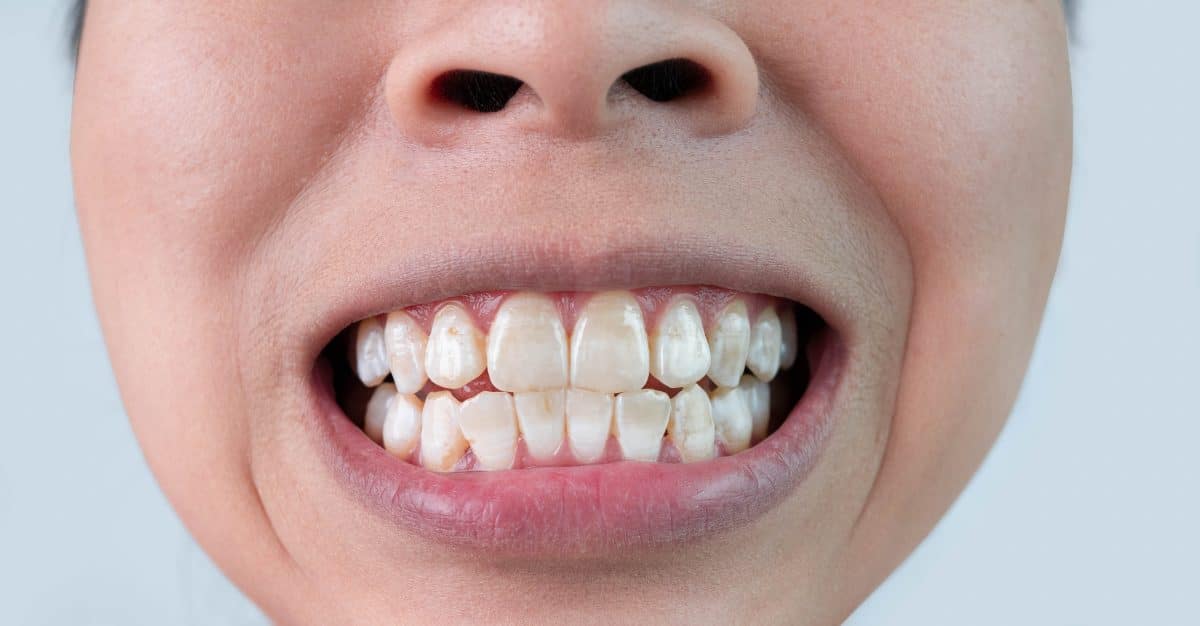
White spot lesions are early signs of enamel demineralization. They appear as dull, milky-white patches on the teeth and are often found around the brackets or where plaque has accumulated. These spots can become permanent if not addressed during orthodontic treatment.

While many people assume they’re simply cosmetic, white spot lesions are an early indicator of tooth decay with braces, which can progress to cavities if not properly managed.

Why Are Patients in Palo Alto at Risk?

In Palo Alto, where we see many teens and adults with braces, we’ve noticed a pattern: busy lifestyles can sometimes lead to rushed brushing or skipped flossing—two of the biggest contributors to plaque buildup and, eventually, white spots with braces.

Whether you’re a student, professional, or busy parent in Palo Alto, the challenge is the same: staying consistent with your oral hygiene routine during treatment.

Another contributing factor is diet. Many of our patients in Palo Alto enjoy on-the-go snacks, sports drinks, and energy bars—all of which can contain hidden sugars. These sugars feed the bacteria that cause tooth decay with braces and increase the likelihood of white spot lesions.

Can You Do Whitening with Braces? Here’s What You Need to Know

Can You Do Whitening with Braces? Here’s What You Need to Know

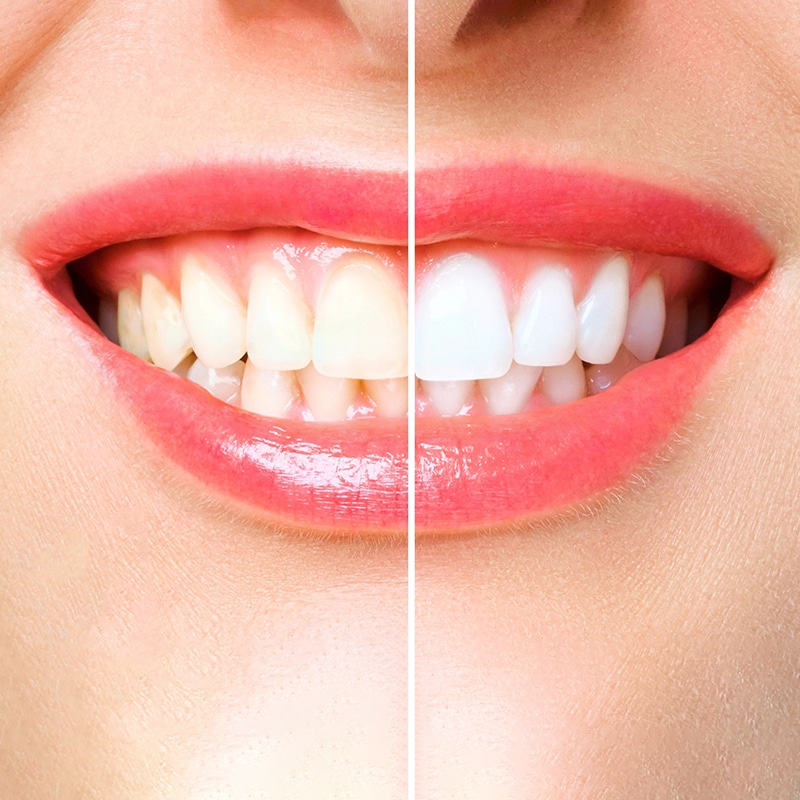
As a team of orthodontists proudly serving the Palo Alto community, we get this question all the time: “Can I whiten my teeth while I have braces?” The answer is yes—whitening with braces is possible—but it takes a bit of strategy, the right tools, and realistic expectations.
Whether you’re in the early stages of braces or nearing the end of your treatment, there are safe, effective ways to brighten your smile during orthodontic care. In this post, we’ll walk you through everything you need to know about whitening with braces, including common myths, product recommendations, and what to expect long-term.

Why People Want to Whiten During Braces

Wearing braces doesn’t mean you have to put your cosmetic goals on hold. Many patients want a straighter and whiter smile at the same time—and we totally get that.

With everyday exposure to coffee, tea, berries, or dark sauces, your teeth can develop surface stains. And since braces can make brushing a bit trickier, maintaining that bright look becomes even more important.

Whitening with braces helps you:

  • Feel more confident throughout your orthodontic journey
  • Prevent uneven tooth coloring once the brackets come off
  • Improve your overall oral hygiene with braces

Just keep in mind: the method you choose should be safe for your braces and your enamel. That’s why it’s essential to understand your options—and talk to your Palo Alto orthodontist before starting any whitening routine.

Whitening Options with Braces: What Works Best?

There are several whitening options with braces, but not all are created equal. Some can give uneven results, while others are gentle enough to use throughout treatment.

Safe and Effective Methods:
  • Whitening Toothpaste
    Helps polish surface stains with mild abrasives. Look for fluoride-based formulas that are safe for daily use.
  • Whitening Mouthwash
    A good supplement to your oral care routine. Some contain low levels of hydrogen peroxide and help reduce surface stains.
  • In-Office Professional Treatments
    May be possible for patients with certain types of braces, like lingual braces or Invisalign. These offer more control and safety under professional supervision.
  • Custom Whitening Trays (Post-Treatment)
    Best saved for after the braces come off. These ensure even whitening across all tooth surfaces.
Methods to Avoid:
  • Whitening Strips
    Strips don’t fit well around brackets and won’t whiten the tooth surface beneath. This can leave visible squares once braces are removed.
  • Over-the-Counter Whitening Pens or Gels
    These often can’t penetrate behind or under brackets and may irritate your gums.

Pro Tip: Talk to your Palo Alto orthodontist about the best whitening methods for your specific case.

When is the Best Time to Brush Your Teeth?

When is the Best Time to Brush Your Teeth?

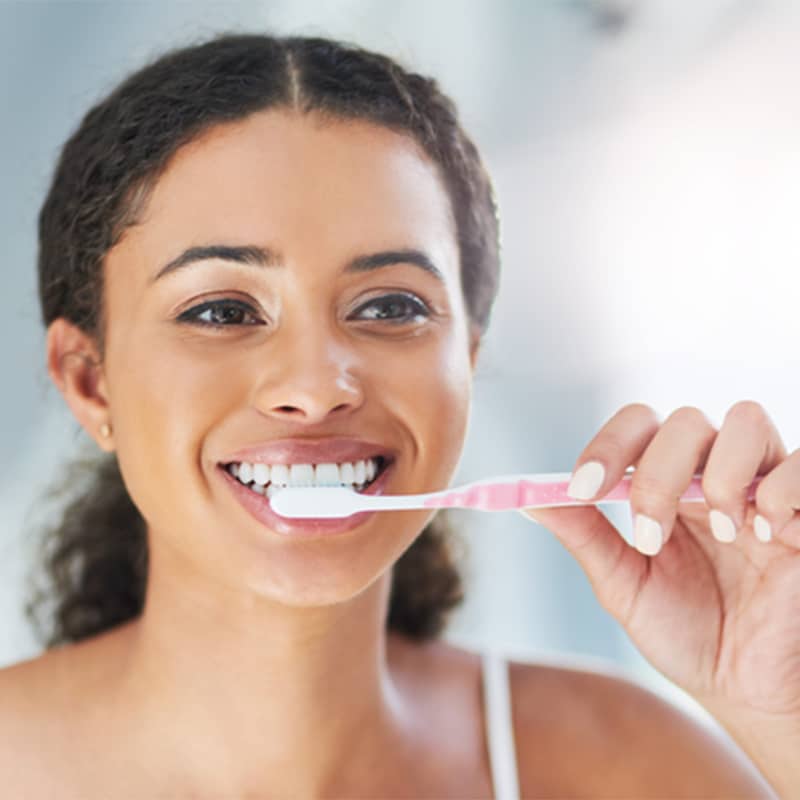
As a group of experienced orthodontists in Palo Alto, we often get asked by our patients, “When is the best time to brush your teeth?” While the answer might seem straightforward at first, it’s actually more nuanced than simply choosing a specific time of day. In this blog post, we’ll address the best times to brush your teeth, how to brush your teeth properly, and which tools and techniques can help keep your smile bright and healthy, whether you are undergoing orthodontic braces or Invisalign treatment.

Brushing Your Teeth with Braces or Invisalign Treatment

One of the most common questions we hear from patients undergoing orthodontic braces or Invisalign treatment in Palo Alto is whether the time of day really matters for brushing. While there is no exact “best” time to brush your teeth, there are several factors to consider that can help you maintain optimal oral health throughout the day.

The Importance of Brushing Regularly

First and foremost, it’s essential to brush your teeth thoroughly, regardless of when you do it. Brushing your teeth twice a day is recommended, but the real key is doing it well. A common misconception is that brushing at certain times, such as after meals, is more beneficial, but it doesn’t matter when you brush as much as how thoroughly you brush. Whether you choose to brush in the morning, before bed, or after meals, the most important thing is to be consistent and thorough.

Best Time to Brush
  • Morning Brushing: Brushing in the morning helps to remove plaque and bacteria that accumulate overnight. After all, you don’t want to start your day with a mouthful of bacteria that has built up while you sleep.
  • Before Bed: Brushing before bedtime is arguably the most important time to brush. Throughout the day, food particles and bacteria build up on your teeth. Brushing before bed helps ensure that your mouth stays clean overnight, which is crucial for maintaining oral health, especially if you have orthodontic braces.
  • After Meals: If you wear orthodontic braces, it’s essential to brush after meals, as food particles can get trapped in your braces. If you have Invisalign treatment, you might want to brush before putting your aligners back in to avoid bacteria build-up.

Reverse Pull Headgear (Facemask): A Powerful Tool for Early Orthodontic Treatment in Palo Alto

Reverse Pull Headgear (Facemask): A Powerful Tool for Early Orthodontic Treatment in Palo Alto

At Twin Smiles Orthodontics in Palo Alto, we are dedicated to providing the best early orthodontic treatment options for children who need assistance in guiding jaw growth. One of the most effective tools for correcting underbites in growing patients is the reverse pull headgear, also known as a facemask. This orthodontic appliance plays a crucial role in addressing skeletal imbalances and can prevent the need for more invasive treatments later in life.

What is Reverse Pull Headgear?

Reverse pull headgear is a specialized orthodontic appliance designed to correct underbites in young patients. It works by applying gentle forward force to the upper jaw (maxilla), encouraging proper growth and alignment. This appliance is most effective when used during childhood, as the bones are still developing and can be guided more easily.

How Does Reverse Pull Headgear Work?

  • The reverse pull headgear consists of a metal or plastic frame that rests against the child’s forehead and chin.
  • Elastics connect the frame to brackets or hooks on the upper teeth or a palatal expander.
  • The appliance applies a forward pulling force, gradually shifting the upper jaw into a more ideal position.
  • Treatment is usually recommended for 14-16 hours per day, typically worn during sleep and at home.
  • The duration of treatment varies but generally lasts between 6-12 months, depending on the severity of the underbite.
Who Needs Reverse Pull Headgear?

Not every child requires a reverse pull headgear, but it is particularly beneficial for those with a skeletal underbite. Our orthodontists at Twin Smiles Orthodontics in Palo Alto evaluate each patient individually to determine if this treatment is necessary.

Signs that a Child May Benefit:

  • A noticeable underbite (lower teeth sit in front of upper teeth)
  • Difficulty biting or chewing due to jaw misalignment
  • Speech difficulties caused by improper jaw positioning
  • Family history of underbites or skeletal jaw discrepancies

How to Wear Your Retainer After Orthodontic Treatment: A Guide for Palo Alto Patients

How to Wear Your Retainer After Orthodontic Treatment: A Guide for Palo Alto Patients

Congratulations on completing your orthodontic treatment! You’ve worked hard to align your teeth with braces or Invisalign and create a beautiful, confident smile. Now, the real challenge begins: maintaining your results for a lifetime. The key to keeping your teeth in their perfect position is proper retainer care.

In this blog, we’ll explain why retainers are essential to your smile’s longevity, provide a clear retainer wear schedule, and share tips on how to take care of your retainer to ensure it lasts. If you’re looking for guidance on post-orthodontic care in Palo Alto, keep reading!

Why Retainers Are Important for Your Smile

Your orthodontic treatment has worked hard to align your teeth, but without a retainer, your teeth may shift back over time. It’s a natural process—teeth naturally move as you age, and even people with naturally straight teeth may experience shifts. However, you don’t want your hard-earned results to fade. By wearing your retainer consistently, you’ll preserve your newly aligned teeth and enjoy your beautiful smile for years to come.

As Palo Alto orthodontists, we recommend that you follow the retainer guidelines to ensure the best results. Retainers play a critical role in stabilizing your teeth and allowing your bone structure to adjust to your newly aligned teeth. When you take care of your retainer and wear it as instructed, you’re giving your smile the best chance to stay intact.

Your Retainer Wear Schedule: How Much Should You Wear It?

Adhering to a retainer schedule is one of the most important things you can do after finishing orthodontic treatment. Here’s a simple breakdown of how much you should wear your retainer after your treatment in Palo Alto.

First 4 Months:
  • Wear your retainer full-time, at least 20 hours per day.
  • The only exceptions are when you’re eating and brushing your teeth.
  • It’s crucial to stick to this schedule to avoid shifting.
After 4 Months:
  • Switch to nighttime wear only.
  • Continue wearing your retainer every night indefinitely, or follow your orthodontist’s guidance if adjustments are necessary.
After 1 Year:
  • Most patients should wear their retainer every night indefinitely for optimal results.
  • If you’re looking for more flexibility, here are a few options:
    • Regular Nighttime Wear: Continue wearing your retainer every night.
    • Limited Nighttime Wear: Wear it 3-4 nights per week.
    • Wear as Needed: Check the fit of your retainer once a week, and if your teeth start to shift, resume nightly wear until they feel stable again.
How to Care for Your Retainer

To preserve both the fit and function of your retainer, proper maintenance is essential. Here are some tips to keep your retainer in top shape:

  • Insertion: Use your fingers to gently place the retainer in your mouth. Never bite it into position, as this can damage the retainer.
  • Cleaning: Brush your retainer daily with a soft toothbrush and mild soap. Occasionally soak it in a denture cleaner to keep it fresh.
  • Avoid Heat: Don’t expose your retainer to heat sources like hot water or direct sunlight. This can warp the material and affect the fit.
  • No Chewing: Don’t chew or play with your retainer. Avoid eating or chewing gum while wearing it.
  • Storage: Always store your retainer in its case when not in use. This protects it from damage and prevents loss.
  • Keep Away from Pets: Pets can be attracted to retainers, so be sure to keep them out of reach.