
Orthodontics vs Dentist: What’s the Difference and Why It Matters in Palo Alto?

Orthodontics vs Dentist: What’s the Difference and Why It Matters in Palo Alto?

When it comes to maintaining oral health, many people are often unsure about the difference between an orthodontics vs dentist. While both professionals play an essential role in your dental care, their expertise and treatment focus are distinct. At Twin Smiles Orthodontics in Palo Alto, we believe understanding these differences will help you make the best choice for your smile. In this post, we’ll break down the unique roles of an orthodontist versus a dentist and why knowing the distinction is key to choosing the right care for you and your family.

What Does an Orthodontist Do?

An orthodontist specialist is a dental professional who focuses specifically on diagnosing, preventing, and treating dental and facial irregularities. Their primary goal is to ensure that your teeth, gums, and jaws are properly aligned. Whether it’s correcting bite issues, fixing misaligned teeth, or addressing jaw problems, an orthodontist has specialized training in these areas.

Orthodontists typically handle:

  • Braces: Traditional metal braces, ceramic braces, and clear braces.
  • Invisalign treatment: Clear aligners for those who want a more discreet option.
  • Jaw alignment: For those with overbites, underbites, or crossbites.
  • Teeth straightening: To help improve both the function and aesthetics of your smile.
What Does a Dentist Do?

On the other hand, a general dentist focuses on the overall health and maintenance of your teeth and gums. They are primarily concerned with preventive care, diagnosis, and treatment of issues like cavities, gum disease, and tooth decay. While a dentist can help you maintain your oral hygiene and treat common dental issues, they don’t typically handle complex orthodontic procedures like teeth alignment.

Dentists typically offer:

  • Routine exams: Check-ups to monitor your oral health.
  • Fillings: To treat cavities and tooth decay.
  • Teeth cleanings: To remove plaque and tartar build-up.
  • Tooth extractions: When a tooth is too damaged or infected.

Different Types of Retainers After Braces or Invisalign: The Importance of Retainers for Your Smile in Palo Alto

Different Types of Retainers After Braces or Invisalign: The Importance of Retainers for Your Smile in Palo Alto

Congratulations! After months of wearing braces or Invisalign, you’ve achieved a beautifully aligned smile. But your orthodontic journey isn’t quite over yet. Enter the retainer—a crucial tool for maintaining your new smile. In this post, we’ll delve into the different types of retainers, their benefits, and how to choose the right one for your needs, all while focusing on the vibrant community of Palo Alto.

Why You Need a Retainer

After completing your orthodontic treatment, your teeth may feel stable, but they can shift back to their original positions if not properly supported. This is where a teeth retainer comes into play. A retainer helps to hold your teeth in their new alignment while the surrounding bone and tissue adjust. Here’s why they’re essential:

  • Prevents Shifting: Retainers keep your teeth in place after braces or Invisalign.
  • Supports Bone Healing: Your jawbone needs time to adapt to your new smile.
  • Cost-Effective Maintenance: Investing in a retainer now can save you from costly corrections later.

Expert advice on Kids Braces from Twin Smiles Orthodontics in Palo Alto

What Age Should My Kid First See an Orthodontist? | Expert advice on Kids Braces from Twin Smiles Orthodontics in Palo Alto

As a parent, one of the most common questions you might have is, “When should my child first visit an orthodontist?” Read below for expert advice on kids braces from Twin Smiles Orthodontics in Palo Alto. We believe that the right timing can make a huge difference in your child’s dental health and overall smile. Let’s dive into why age 7 is often considered ideal for an initial orthodontic check-up, and how early orthodontic treatment can set the stage for a lifetime of healthy teeth and a beautiful smile.

Why Age 7 is the Sweet Spot for an Early Orthodontic  Treatment Check-Up

The American Association of Orthodontists suggests that children should have their first orthodontic evaluation by age 7. But why this particular age? By the time your child reaches 7, they typically have a mix of baby and permanent teeth. This blend allows us to assess the growth and alignment of both the teeth and the jaw. At Twin Smiles Orthodontics in Palo Alto, we use this early visit to screen for any potential issues and plan for the best course of action.  In some cases, children may benefit from early orthodontic treatment with kids braces, while in other situations, we recommend waiting until they have their adult teeth before starting orthodontic treatment.

What Happens During the First Visit?

During the initial consultation for kids braces at Twin Smiles Orthodontics in Palo Alto, we’ll examine your child’s bite and the alignment of their teeth. We’ll also look at how the upper and lower jaws are developing. Early detection of issues such as overcrowded teeth, bite problems, or jaw discrepancies can help us address these concerns before they become more complicated.

Tips for Whitening Your Teeth

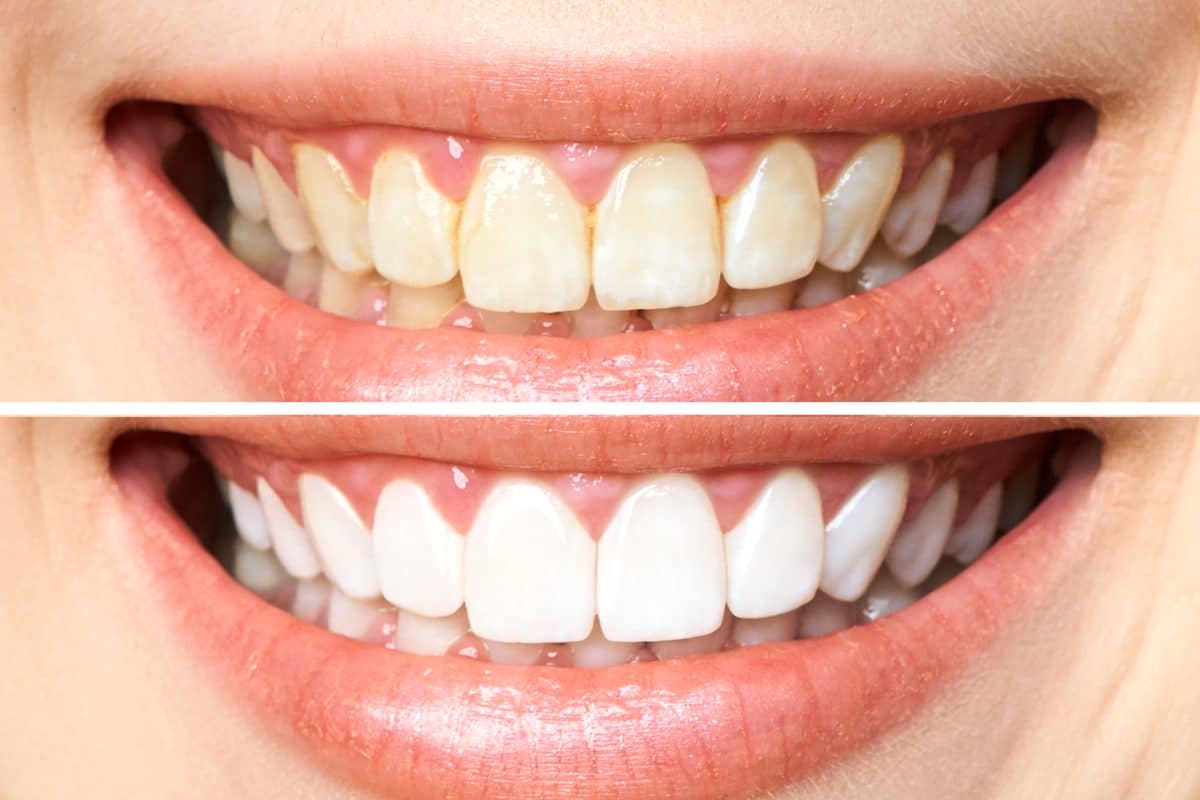
Many people like the look of a bright white smile and want whiter teeth. In this post we’ll share tips for how to safely whiten your teeth and our recommendation for the most cost-effective method.

There are three main ways to whiten your teeth:

  1. In-office whitening with a more involved procedure
  2. Dentist-supplied products for use at home – you’re given gel with a clear tray to whiten at home
  3. Over-the-counter whiteners like Crest White Strips

Most Cost-Effective Way to Whiten Your Teeth

The most cost-effective way to whiten your teeth is dentist-supplied products for use at home as you’ll get the most bang for your buck with this method. Many people don’t see effects from over the counter whitening strips. With dentist-supplied products for use at home, depending on how much whitening you want to do, you’ll only need to use a small amount of gel in your trays for a couple weeks to see results.

Only Natural Teeth Can Be Whitened

An important thing to know for whitening is that only your natural teeth can be whitened–composites, veneers, fillings, and crowns cannot be whitened. So consider getting these all done prior to whitening your teeth so they will all match.

You can whiten with attachments on, so if you’re doing Invisalign or a similar treatment you can use your trays to whiten your teeth over your attachments. This is convenient and efficient because you can whiten your teeth while wearing the trays anyway.

If you’re looking for teeth whitening or Invisalign treatment, we’d love to see you at Twin Smiles Orthodontics in Palo Alto. Read more about Invisalign treatment here.

Pros and Cons of Invisalign vs Braces

Pros and Cons of Invisalign vs Braces

There are two main types of orthodontic treatment you’re likely considering in order to straighten your teeth: Invisalign or braces. Depending on the complexity of your case one may work better for you than the other.  In some cases, either Invisalign or braces will get the job done and so it may be up to personal preference.  There are some main differences that can be helpful when deciding which treatment will work best for you.

Aesthetics

What you’re probably thinking about first is which will look better. Invisalign is made of two parts– the attachments (clear bumps put on teeth) and the clear trays which fit over the attachments. Many people like the look of Invisalign because it’s transparent so you can see your teeth through it. Since it’s more subtle, adults especially tend to gravitate to it. However, some people think braces look cool  and enjoy being able to choose colorful brackets that coordinate with the seasons. On the other hand, some people don’t like the way the metal looks in their mouth, so it’s just personal preference.

Convenience

With Invisalign, you remove the trays each time you eat. This might be inconvenient if you’re a big snacker. One pro of Invisalign  is that you can eat all the foods you normally would and don’t have to worry about breaking a bracket. You can also brush and floss like you normally do, whereas brushing and flossing with braces takes a little extra time. The con of Invisalign is you need to be careful not to lose your trays when removing them during the day and it’s best to always keep them in their case. If you put them in a tissue they might be accidentally thrown away. Some people are also a little embarrassed to remove them in public.

The biggest con of Invisalign is your teeth will only move when there’s a constant active force on them, so your teeth will only move while wearing the aligners. You need to wear the aligners 18-20 hours a day to see movement in your teeth. A benefit of braces is they’re always working for you 24 hours a day and you don’t have to think about it.

A con of braces is if you end up breaking a bracket, you will need to schedule an emergency appointment to get it replaced. Ideally you should modify your diet slightly to avoid ice, sticky, chewy, hard foods to avoid breaking a bracket.

Another pro Invisalign is you don’t need to come visit the office as frequently. If you’re doing well with your trays, you can just change them out yourself so you can do more remote treatment if that works better with your work or school schedule.