Understanding MARPE (Mini Screw Assisted Rapid Palatal Expander) in Palo Alto

When patients come to us at Twin Smiles Orthodontics, one of the most common questions we hear is about expansion appliances and how they can help create space in the upper jaw. In certain cases, especially for older teens and adults, traditional expanders may not provide enough skeletal change. That’s where the MARPE (Mini Screw Assisted Rapid Palatal Expander) comes in.

As a group of orthodontists serving the Palo Alto community, we’ve seen how this innovative treatment can make a lasting difference for patients who need more than just dental expansion. Let’s break down what MARPE is, how it works, and why it may be the right choice for some individuals.

Impacted Canine Treatment: What Parents in Palo Alto Need to Know

As orthodontists, one of the more complex but rewarding cases we treat is the impacted canine. These teeth play a critical role in a healthy bite, guiding the alignment of other teeth and supporting facial aesthetics. When a canine doesn’t erupt on its own, timely intervention can make the difference between a smooth outcome and years of complications. For families in Palo Alto, understanding how impacted canines are treated with braces, Invisalign, and other orthodontic tools is essential.

In this post, we’ll walk through why impacted canines happen, the signs to look for in kids and teens, and the treatment options available—from early orthodontic treatment to two-phase treatment approach

Why Impacted Canines Matter

The canine teeth, often referred to as “cornerstones” of the smile, are crucial for both function and appearance. When one or both become impacted (stuck under the gum or bone), problems may arise:

  • Misalignment of surrounding teeth
  • Difficulty chewing efficiently
  • Risk of root damage to neighboring teeth
  • Aesthetic concerns if the canine doesn’t appear in the smile line

Parents in Palo Alto often ask us how early they should be thinking about their child’s orthodontic health. The answer? Earlier than most expect.

The Importance of Early Diagnosis

Early orthodontic treatment gives us the chance to identify impacted canines before they cause bigger issues. Around age 7, an orthodontic evaluation can often show whether canines are erupting properly or veering off course.

Early intervention allows us to:

  • Monitor growth and guide eruption with a palatal expanderif space is tight
  • Plan two-phase treatment if needed, to create room for proper canine eruption
  • Prevent more invasive surgical procedures later in life

Families who start orthodontic monitoring early in Palo Alto often benefit from smoother, less complex treatment down the road.

Why Invisalign Is Good for Teenagers: A Palo Alto Perspective

At Twin Smiles Orthodontics in Palo Alto, we often hear the same question from both teens and their parents: “Is Invisalign good for teenagers?” The short answer? Yes—and for many reasons.

In this blog post, we’ll break down exactly why Invisalign is good for teenagers, especially for busy students in Palo Alto balancing school, sports, music, and more. From fewer appointments to easier oral hygiene, Invisalign has become one of our most popular treatments for teens in the area.

Invisalign: A Modern Solution for the Modern Teen

Teenagers today are busier than ever. Between classes, homework, extracurriculars, and social lives, traditional braces can sometimes feel like one more thing to manage.

Here’s why Invisalign is good for teenagers, particularly in a place like Palo Alto:

  • Minimal school disruption: Fewer emergency visits and quick check-ins mean less missed class time.
  • Discreet treatment: Clear aligners are practically invisible, which helps self-conscious teens feel more confident.
  • Comfort: No poking wires or metal brackets—just smooth, custom-made plastic trays.
  • Responsibility-building: Teens who wear aligners get to take charge of their own treatment success.

We’ve seen firsthand how much teens in Palo Alto appreciate the flexibility and freedom Invisalign provides.

How to Clean Your Retainers: A Palo Alto Orthodontist’s Guide

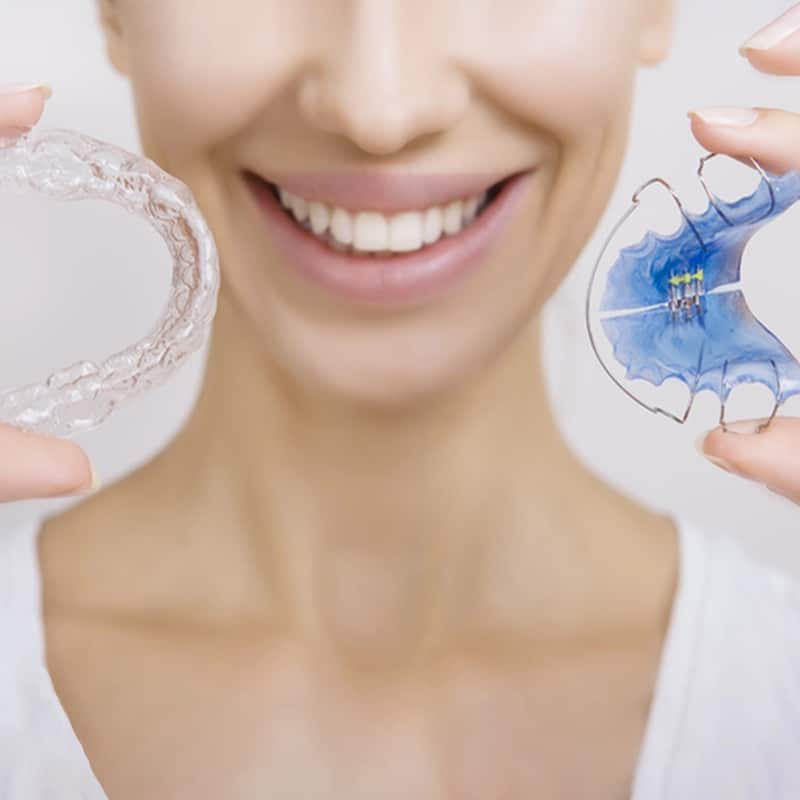
As orthodontists serving Palo Alto, we’re often asked: how to clean your retainers? Keeping your retainers clean isn’t just about hygiene—it’s about protecting your investment in a healthy, beautiful smile. Whether you’re wearing clear plastic retainers or traditional Hawley retainers, maintaining them properly can prevent unwanted odors, bacteria buildup, and even long-term dental issues.

In this post, our team at Twin Smiles Orthodontics in Palo Alto will walk you through everything you need to know about how to clean your retainers, which products to avoid, and how to build it into your daily routine.

Why Retainer Hygiene Matters

Your retainer sits in your mouth for hours each day, often overnight. During that time, it collects bacteria, plaque, and even food particles. If not cleaned properly, your retainer can cause:

  • Bad breath
  • Staining and discoloration
  • Tartar buildup
  • Gum irritation or infection

For patients in Palo Alto, understanding how to clean your retainers helps preserve both your orthodontic results and your overall well-being.

Types of Retainers and Their Cleaning Needs

Different retainers require different care. Here’s how we recommend cleaning the most common types:

What Is Jaw Surgery for Sleep Apnea?

Jaw surgery involves repositioning the upper jaw (maxilla), lower jaw (mandible), or both to create a more open airway. This is typically recommended when the cause of obstructive sleep apnea is related to a narrow or recessed jaw structure, which can crowd the airway during sleep.

This type of procedure is known as maxillomandibular advancement (MMA). It’s not a first-line treatment, but for those who haven’t had success with CPAP or oral appliances, it can be life-changing.

Can I Chew Gum with Braces? Advice from Orthodontists in Palo Alto

One of the most common questions we get from patients at Twin Smiles Orthodontics in Palo Alto is: Can I chew gum with braces? It seems simple, but the answer is more nuanced than a flat yes or no. The truth is, it depends on the type of gum and how diligent you are with your overall oral care.

As a team of experienced orthodontists in Palo Alto, we’re here to guide you through the do’s and don’ts of chewing gum with braces. This blog post answers your biggest questions, offers clear tips, and helps you understand what’s safe—and what could send you back for a repair appointment.

Whether you’re a student with a sweet tooth or a parent navigating kids braces, this guide is for you.

Understanding Jaw Surgery Recovery Time: What Patients in Palo Alto Need to Know

If you’re considering or preparing for jaw surgery, also known as orthognathic surgery, one of the most common questions we hear at our practice is, “How long is the recovery?” As a team of experienced orthodontists in Palo Alto, we at Twin Smiles Orthodontics understand that knowing what to expect can make all the difference. Jaw surgery recovery time varies for every patient, but there are general timelines and tips that can help ease your mind and guide you through the process.

In this post, we’ll walk you through the jaw surgery recovery time, what the healing process involves, and how to prepare for each stage. Whether you’re a current patient or exploring treatment options in Palo Alto, this guide is designed to provide clarity and confidence.

What Is the Typical Jaw Surgery Recovery Time?

Most patients can expect their initial jaw surgery recovery time to last around 6–8 weeks. However, full recovery can take up to 12 weeks or longer, depending on individual healing and the complexity of the procedure. It’s important to keep in mind that your journey doesn’t end once the surgery is over—post-operative care is key to a smooth and successful outcome.

Why Choosing the Right Invisalign Orthodontist in Palo Alto Is Important

If you’ve been thinking about improving your smile, you’ve probably heard of Invisalign. It’s one of the most popular and trusted forms of clear aligners available today — and for good reason. Invisalign offers a discreet, comfortable way to straighten teeth without traditional metal braces.

But here’s the truth: the success of your treatment isn’t just about the aligners. It’s about who’s planning and managing your care.

Choosing the right Invisalign orthodontist is critical, especially in a city like Palo Alto, where patients expect high-quality, personalized treatment. At Twin Smiles Orthodontics in Palo Alto, our board-certified orthodontists specialize in Invisalign, and we’ve helped hundreds of patients get healthy, confident smiles using this innovative braces alternative.

How to Prevent White Spot Lesions While Wearing Braces in Palo Alto

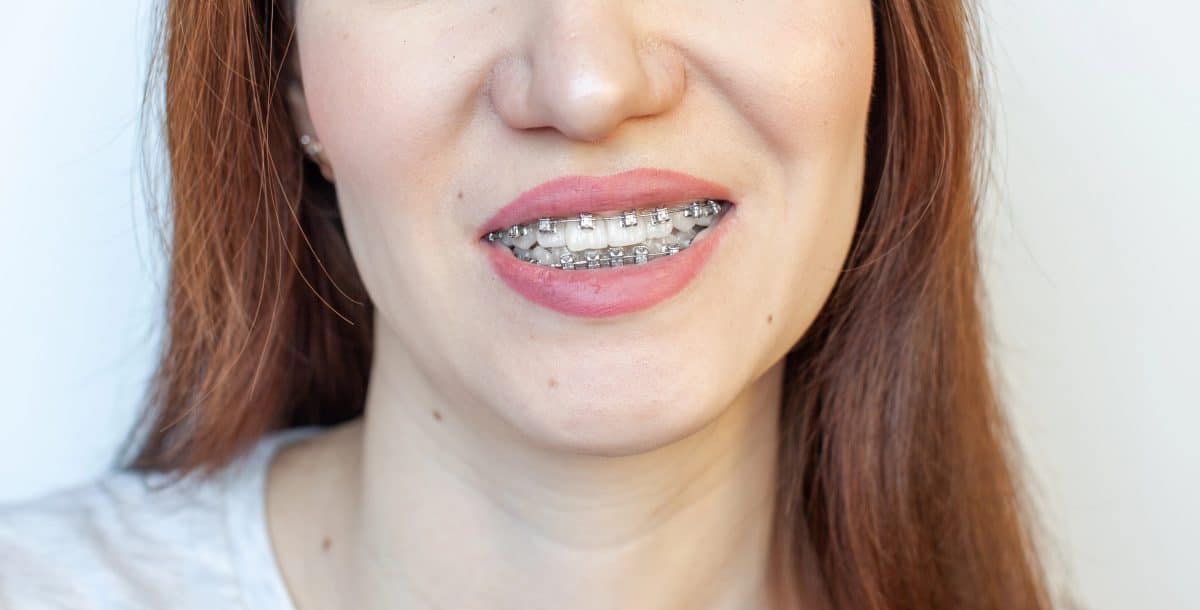
At Twin Smiles Orthodontics in Palo Alto, we understand that starting braces is an exciting step toward a healthier, more confident smile. But as orthodontists, one of the most common concerns we hear from patients and parents in Palo Alto is about white spot lesions—those chalky-looking spots that can appear on teeth during or after braces.

If you’re undergoing orthodontic treatment in Palo Alto, it’s essential to know how to prevent white spot lesions, what causes them, and how they relate to tooth decay with braces. Here’s what you need to know to keep your smile bright and healthy throughout treatment.

What Are White Spot Lesions?

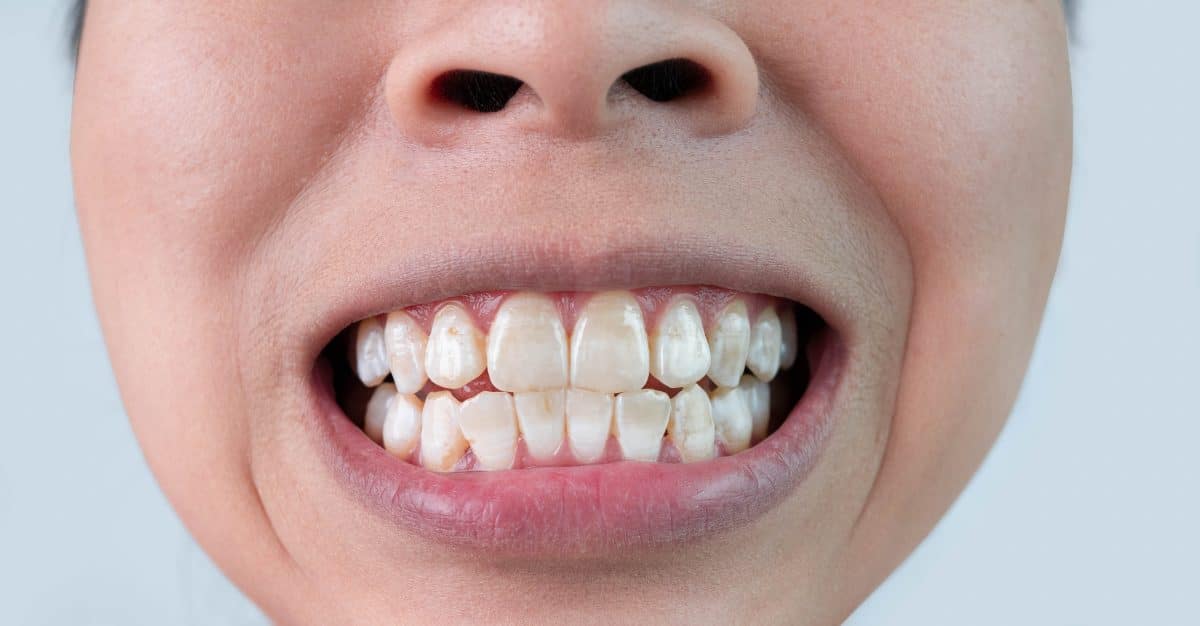
White spot lesions are early signs of enamel demineralization. They appear as dull, milky-white patches on the teeth and are often found around the brackets or where plaque has accumulated. These spots can become permanent if not addressed during orthodontic treatment.

While many people assume they’re simply cosmetic, white spot lesions are an early indicator of tooth decay with braces, which can progress to cavities if not properly managed.

Why Are Patients in Palo Alto at Risk?

In Palo Alto, where we see many teens and adults with braces, we’ve noticed a pattern: busy lifestyles can sometimes lead to rushed brushing or skipped flossing—two of the biggest contributors to plaque buildup and, eventually, white spots with braces.

Whether you’re a student, professional, or busy parent in Palo Alto, the challenge is the same: staying consistent with your oral hygiene routine during treatment.

Another contributing factor is diet. Many of our patients in Palo Alto enjoy on-the-go snacks, sports drinks, and energy bars—all of which can contain hidden sugars. These sugars feed the bacteria that cause tooth decay with braces and increase the likelihood of white spot lesions.


Can You Do Whitening with Braces? Here’s What You Need to Know

Can You Do Whitening with Braces? Here’s What You Need to Know

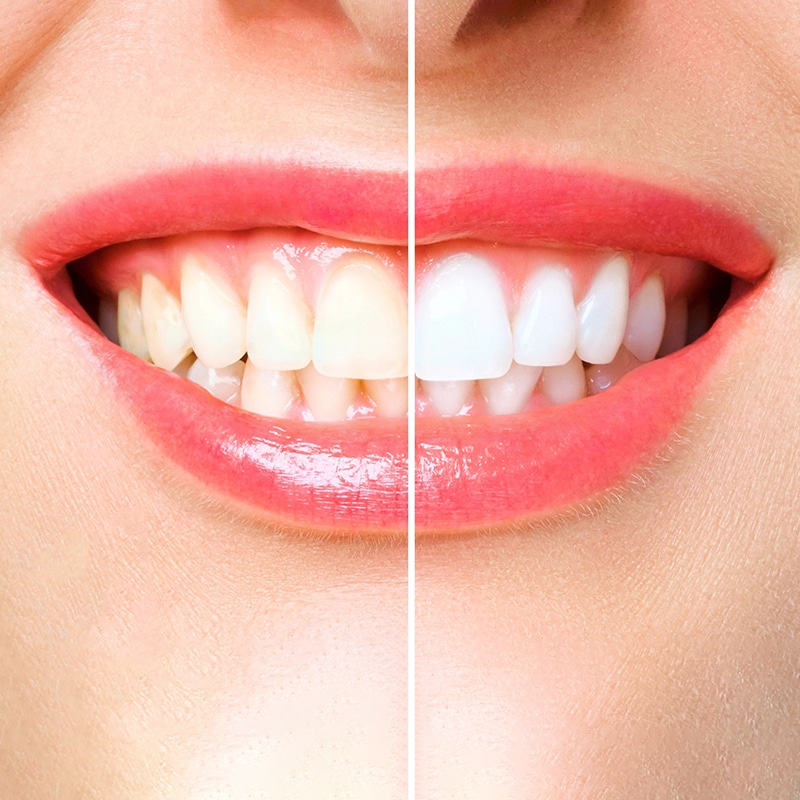
As a team of orthodontists proudly serving the Palo Alto community, we get this question all the time: “Can I whiten my teeth while I have braces?” The answer is yes—whitening with braces is possible—but it takes a bit of strategy, the right tools, and realistic expectations.
Whether you’re in the early stages of braces or nearing the end of your treatment, there are safe, effective ways to brighten your smile during orthodontic care. In this post, we’ll walk you through everything you need to know about whitening with braces, including common myths, product recommendations, and what to expect long-term.

Why People Want to Whiten During Braces

Wearing braces doesn’t mean you have to put your cosmetic goals on hold. Many patients want a straighter and whiter smile at the same time—and we totally get that.

With everyday exposure to coffee, tea, berries, or dark sauces, your teeth can develop surface stains. And since braces can make brushing a bit trickier, maintaining that bright look becomes even more important.

Whitening with braces helps you:

  • Feel more confident throughout your orthodontic journey
  • Prevent uneven tooth coloring once the brackets come off
  • Improve your overall oral hygiene with braces

Just keep in mind: the method you choose should be safe for your braces and your enamel. That’s why it’s essential to understand your options—and talk to your Palo Alto orthodontist before starting any whitening routine.

Whitening Options with Braces: What Works Best?

There are several whitening options with braces, but not all are created equal. Some can give uneven results, while others are gentle enough to use throughout treatment.

Safe and Effective Methods:
  • Whitening Toothpaste
    Helps polish surface stains with mild abrasives. Look for fluoride-based formulas that are safe for daily use.
  • Whitening Mouthwash
    A good supplement to your oral care routine. Some contain low levels of hydrogen peroxide and help reduce surface stains.
  • In-Office Professional Treatments
    May be possible for patients with certain types of braces, like lingual braces or Invisalign. These offer more control and safety under professional supervision.
  • Custom Whitening Trays (Post-Treatment)
    Best saved for after the braces come off. These ensure even whitening across all tooth surfaces.
Methods to Avoid:
  • Whitening Strips
    Strips don’t fit well around brackets and won’t whiten the tooth surface beneath. This can leave visible squares once braces are removed.
  • Over-the-Counter Whitening Pens or Gels
    These often can’t penetrate behind or under brackets and may irritate your gums.

Pro Tip: Talk to your Palo Alto orthodontist about the best whitening methods for your specific case.