TMJ: Temporomandibular Joint Dysfunction

First, let’s start with some terms. TMJ stands for temporomandibular joint (tem-puh-roe-man-DIB-u-lur). We all have one, so from a doctor’s perspective if you come in and say you have TMJ, on the other side we’re thinking “yes, so do we.” It’s like coming in and saying you have a knee joint. TMD, or temporomandibular disorders is a broad term for anything in regards to pain or dysfunction for the joint by your ear.

The TMJ is a ball and socket joint, just like your elbow, shoulder, or knee, which means it can move in many different planes of space. Your lower jaw is the only jaw that moves–the upper jaw does not move. The TMJ is one of the most complicated joints in your body. It is attached to your mouth which allows us to breathe, eat, and speak, so we’re using it all day long, all the time.

TMJ Symptoms

Below are some common TMJ symptoms that may indicate you should see a specialist:

  • Joint has ever locked open where you can’t close your mouth (open lock)
  • Or the opposite, where you can’t open your mouth (closed lock)
  • Limited opening of the jaw, can’t open as wide as you used to be able to
  • Constant neck, back, or jaw pain
  • Pain or discomfort around ear
  • Headaches or migraines
Clicking in the Joint

Some people worry if they hear clicking in the jaw. But if there’s no pain associated with the mild popping or clicking, it may not be a problem, as many people hear clicking. To be safe though, you can still go see a specialist to make sure everything’s okay.
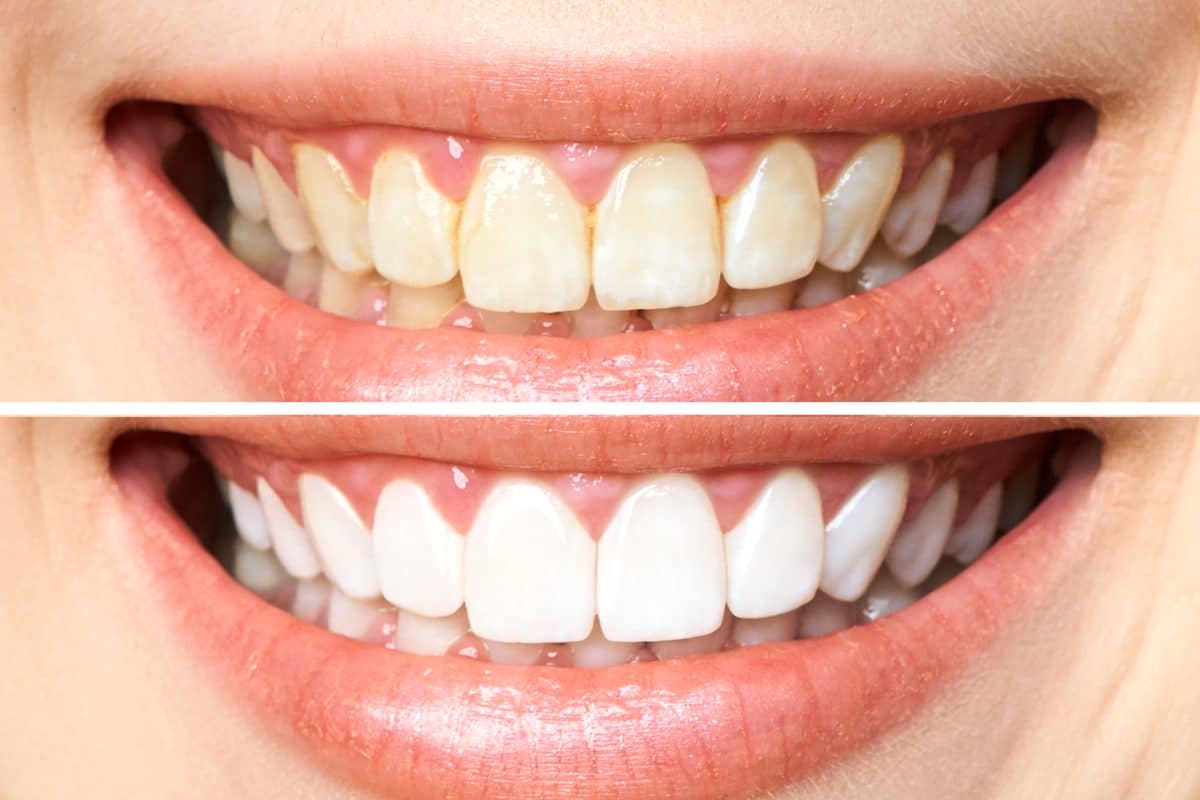

Tips for Whitening Your Teeth

Many people like the look of a bright white smile and want whiter teeth. In this post we’ll share tips for how to safely whiten your teeth and our recommendation for the most cost-effective method.

There are three main ways to whiten your teeth:

  1. In-office whitening with a more involved procedure
  2. Dentist-supplied products for use at home – you’re given gel with a clear tray to whiten at home
  3. Over-the-counter whiteners like Crest White Strips

Most Cost-Effective Way to Whiten Your Teeth

The most cost-effective way to whiten your teeth is dentist-supplied products for use at home as you’ll get the most bang for your buck with this method. Many people don’t see effects from over the counter whitening strips. With dentist-supplied products for use at home, depending on how much whitening you want to do, you’ll only need to use a small amount of gel in your trays for a couple weeks to see results.

Only Natural Teeth Can Be Whitened

An important thing to know for whitening is that only your natural teeth can be whitened–composites, veneers, fillings, and crowns cannot be whitened. So consider getting these all done prior to whitening your teeth so they will all match.

You can whiten with attachments on, so if you’re doing Invisalign or a similar treatment you can use your trays to whiten your teeth over your attachments. This is convenient and efficient because you can whiten your teeth while wearing the trays anyway.

If you’re looking for teeth whitening or Invisalign treatment, we’d love to see you at Twin Smiles Orthodontics in Palo Alto. Read more about Invisalign treatment here.

Types of Braces

Braces can help correct problems with teeth like crowding, misalignment, spacing, or crooked teeth. There are several types of braces including metal, ceramic, lingual, and self-ligating. Metal braces are the most common, and some people opt for aligners like Invisalign for a more natural looking option.

  • Metal braces – metal brackets are attached to the teeth and connected by archwires to apply pressure
  • Ceramic braces – function like metal braces, but the brackets attached to the teeth are ceramic so they’re less noticeable
  • Lingual braces – sometimes called “invisible braces”, instead of having the brackets attached to the front of the teeth, lingual braces have brackets attached to the back of the teeth so they’re not visible
  • Self-ligating braces – Less common, the brackets have a built-in mechanism which holds the archwire in place so you may have shorter in-office appointments and can go longer between adjustment appointments.
  • Aligners – Aligners are different from braces, but are another option for aligning your teeth that uses a clear tray that looks like a retainer instead of brackets that also gradually moves your teeth through gradual force

Read more about Invisalign vs braces here.

Each of the above options can work to straighten your teeth or correct conditions where your teeth don’t fit together properly (like crossbites, overbites, and underbites) through applying gentle, continuous pressure to move your teeth into the correct position over time.

Braces can improve your smile, but they can also improve your oral health and function of your teeth and jaws, reducing the risk of abnormal tooth wear. We recommend starting treatment as soon as you can, including children 7+ years old to avoid more serious problems down the road, but it’s never too late to discuss ways we can enhance your smile. We’d love to see you at Twin Smiles Orthodontics in Palo Alto!

Pros and Cons of Invisalign vs Braces

Pros and Cons of Invisalign vs Braces

There are two main types of orthodontic treatment you’re likely considering in order to straighten your teeth: Invisalign or braces. Depending on the complexity of your case one may work better for you than the other.  In some cases, either Invisalign or braces will get the job done and so it may be up to personal preference.  There are some main differences that can be helpful when deciding which treatment will work best for you.

Aesthetics

What you’re probably thinking about first is which will look better. Invisalign is made of two parts– the attachments (clear bumps put on teeth) and the clear trays which fit over the attachments. Many people like the look of Invisalign because it’s transparent so you can see your teeth through it. Since it’s more subtle, adults especially tend to gravitate to it. However, some people think braces look cool  and enjoy being able to choose colorful brackets that coordinate with the seasons. On the other hand, some people don’t like the way the metal looks in their mouth, so it’s just personal preference.

Convenience

With Invisalign, you remove the trays each time you eat. This might be inconvenient if you’re a big snacker. One pro of Invisalign  is that you can eat all the foods you normally would and don’t have to worry about breaking a bracket. You can also brush and floss like you normally do, whereas brushing and flossing with braces takes a little extra time. The con of Invisalign is you need to be careful not to lose your trays when removing them during the day and it’s best to always keep them in their case. If you put them in a tissue they might be accidentally thrown away. Some people are also a little embarrassed to remove them in public.

The biggest con of Invisalign is your teeth will only move when there’s a constant active force on them, so your teeth will only move while wearing the aligners. You need to wear the aligners 18-20 hours a day to see movement in your teeth. A benefit of braces is they’re always working for you 24 hours a day and you don’t have to think about it.

A con of braces is if you end up breaking a bracket, you will need to schedule an emergency appointment to get it replaced. Ideally you should modify your diet slightly to avoid ice, sticky, chewy, hard foods to avoid breaking a bracket.

Another pro Invisalign is you don’t need to come visit the office as frequently. If you’re doing well with your trays, you can just change them out yourself so you can do more remote treatment if that works better with your work or school schedule.

What Is A Mouthguard? Do I Need To Wear A Sports Mouthguard?

What Is A Mouthguard? Do I Need To Wear A Sports Mouthguard?

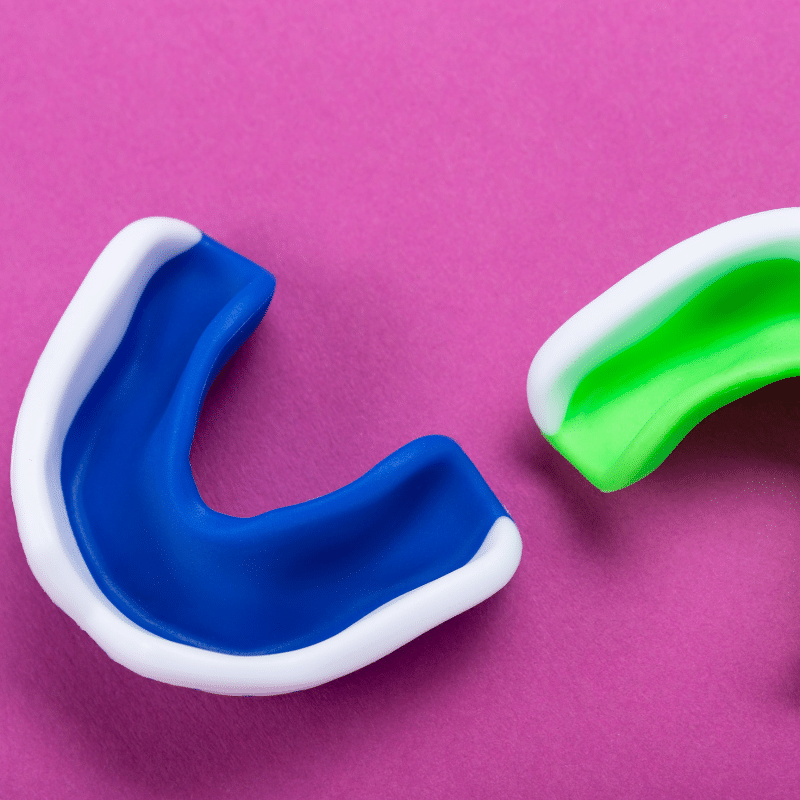
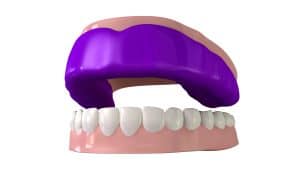
A mouthguard is also known as an athletic mouth protector, gumshield, or sports guard. It’s a device worn inside the mouth that looks similar to a thick retainer tray.

If you’re involved in contact sports it’s important to wear a mouthguard to protect your teeth, jaw, tongue, and lips from potential trauma. The American Dental Association recommends “wearing a properly fitted mouth guard to reduce the incidence and severity of sports-related dental injuries” including things like knocked out teeth, cut lips, jaw fractures, TMJ injuries, etc.

Studies have shown mouthguard use reduces the risk of sport-related dental or orofacial injuries.

orofacial injuries

Numerous Studies Show Reductions in Orofacial Injuries With Use of Mouthguards

A recent meta-analysis showed the overall prevalence of dentofacial injuries among people participating in collision sports was 27%. Compared to mouthguard users, those who did not use mouthguards had more than double the increased risk of orofacial injury.

What sports should I wear a mouthguard for?

It’s safest to wear a mouthguard for any sport where you’re at risk of being hit in the face by anyone or anything like an elbow, ball, etc.

If you’re in orthodontic treatment and have braces or Invisalign, you can wear a mouthguard over the braces and Invisalign to protect your lips from being cut by the brace brackets or hard edge of the Invisalign.

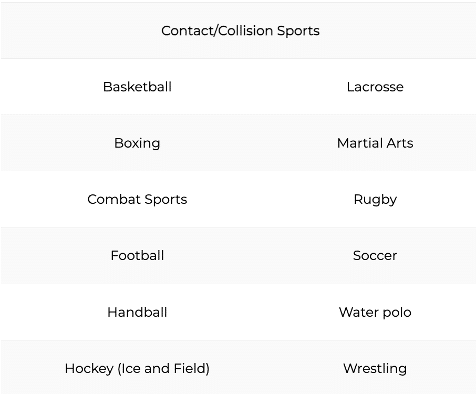
Most coaches and athletic directors will require you to wear a mouthguard, but you can reference the table below for a guide to sporting and recreational activities mouthguard use is recommended for.


mouthguard

Source: American Dental Association

What Kind of Mouthguard Is Best?

The dental arch is considered to be at highest risk for injury, so the mouthguard should provide a protective surface as well as offer protection from soft tissue injuries to the cheeks and lips. Your mouthguard should feel comfortable in your mouth so that you’ll actually wear it, and should fit snugly over your teeth while being able to comfortably talk and breathe. It shouldn’t break or easily tear with pressure and needs to have high-impact energy absorption to absorb impact if you fall or get hit.

Here at Twin Smiles Orthodontics in Palo Alto, we love sports and enjoy working with athletes! We offer custom mouthguards and sponsor local high school sports teams. Custom-made mouthguards and nightguards from Twin Smiles Orthodontics in Palo Alto provide effective protection against bruxism and sports-related trauma. Contact us if you’re looking to get a custom mouthguard made.