How Braces Work: A Comprehensive Guide to Straightening Your Teeth

How Braces Work: A Comprehensive Guide to Straightening Your Teeth

If you’re considering orthodontic treatment, you might be wondering how braces work to help straighten your teeth and give you that perfect smile. At Twin Smiles Orthodontics in Palo Alto, our team of experienced orthodontists is here to guide you through the process of braces and answer all your questions, from what are braces to the different types of braces available.

Understanding the process of braces can make your treatment feel much more manageable and allow you to feel confident in your decision to pursue orthodontic care. In this post, we’ll walk you through the key elements of how braces work, the various types of braces to consider, and what you can expect throughout your treatment.

What Are Braces?

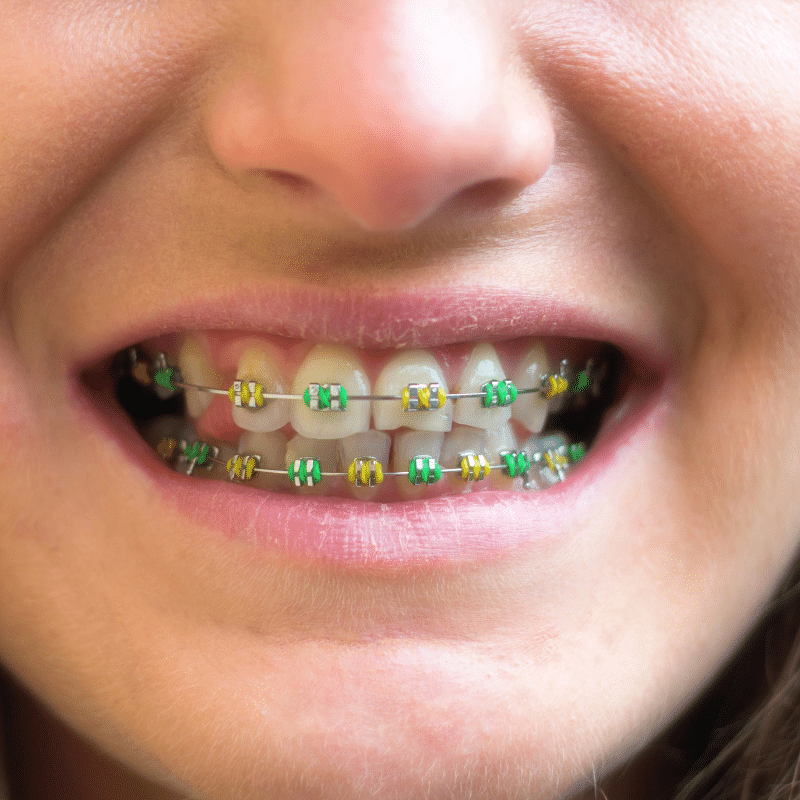
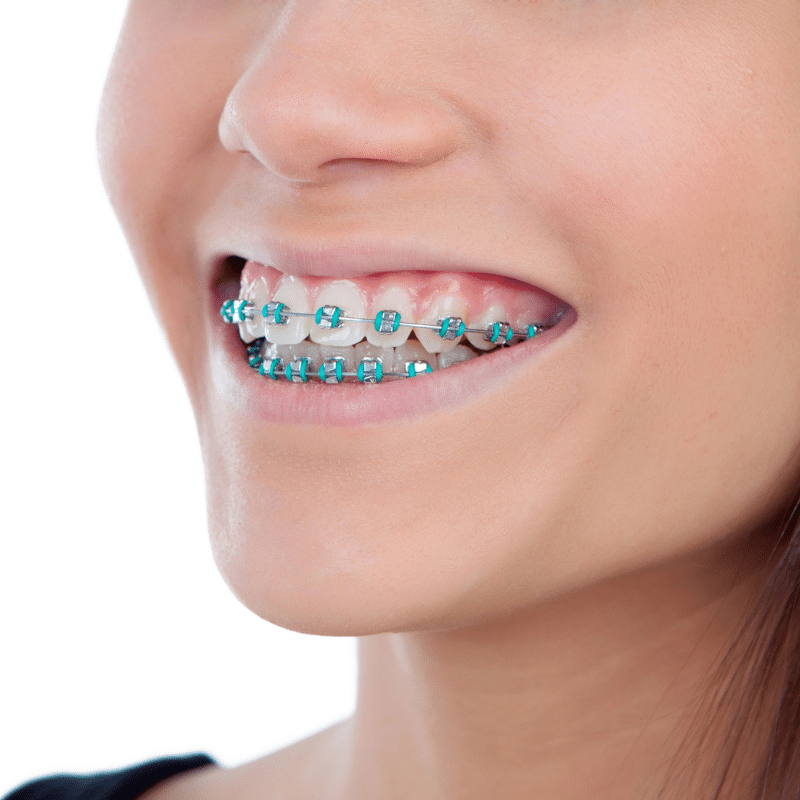
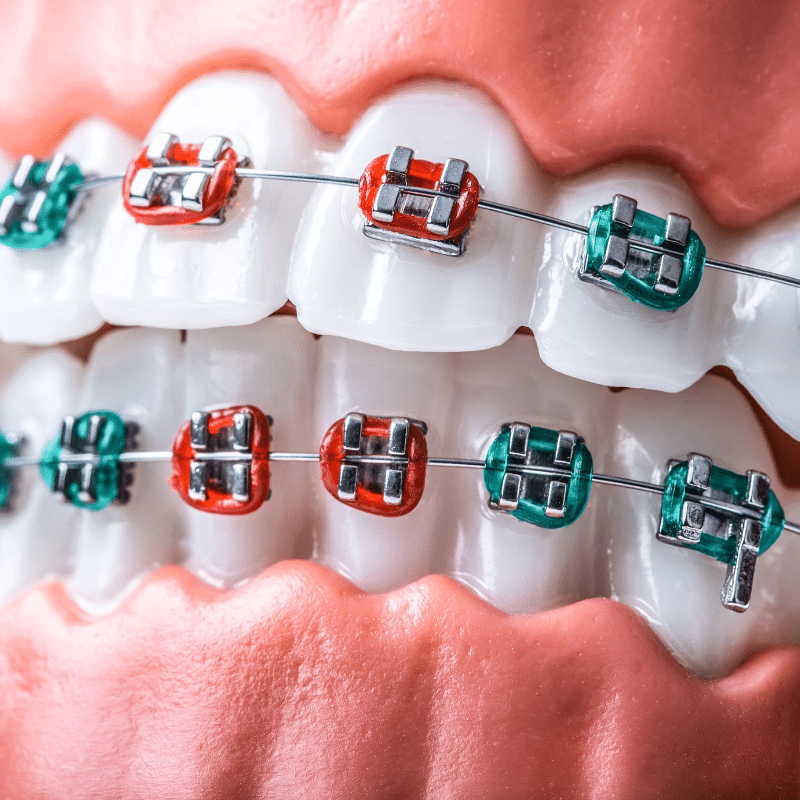
Before we dive into how braces work, let’s first address the fundamental question: what are braces? Braces are a specialized orthodontic device designed to help align teeth and jaws to improve both function and aesthetics. Typically, dental braces in Palo Alto are made up of brackets, wires, and elastic bands that work together to gradually shift your teeth into a more favorable position over time.

How Braces Work

The process of how braces work revolves around the application of controlled force to the teeth. Braces gradually move teeth by applying consistent pressure that allows the bone around the teeth to adjust. The brackets are attached to your teeth, and the wire running through them applies the pressure needed to move your teeth into alignment.

Here’s a breakdown of how this process works step by step:

  • Initial Consultation: Your orthodontist will evaluate your teeth and discuss your treatment options. This is when you’ll learn about the types of braces that are right for your needs.
  • Braces Placement: After determining the best treatment plan, the orthodontist will carefully place the brackets and attach the wire. This initial procedure may take some time, but it’s the first step in beginning the transformation.
  • Adjustments: Throughout the treatment, you will have periodic visits to the orthodontist’s office to have the wire tightened or replaced. These adjustments are crucial in ensuring that your teeth are moving in the right direction.
  • Final Stages: Once your teeth have shifted into their final positions, your orthodontist will remove the braces and discuss the use of retainers to keep your teeth in place.
Types of Braces

There are several types of braces to choose from, depending on your needs, preferences, and budget. Here are some of the most popular options available:

  • Traditional Metal Braces: These are the most common type of braces. Made from stainless steel, they are highly effective at correcting a wide range of dental issues for kids and teens. They consist of metal brackets, wires, and elastic bands.
  • Ceramic Braces: Ceramic braces are similar to metal braces but use clear or tooth-colored brackets to blend in with your natural teeth. They are a less noticeable option for patients who are concerned about the aesthetics of metal braces.
  • Lingual Braces: Lingual braces are placed on the back of your teeth, making them less visible to others. These are customized to fit your teeth and are a great option for adult braces seeking a more discreet treatment.
  • Clear Aligners (Invisalign): Clear aligners are removable trays that gradually shift your teeth into place. They are a popular choice for people who prefer a more discreet, comfortable alternative to traditional braces.

At Twin Smiles Orthodontics in Palo Alto, our orthodontists will help you determine which type of braces is best for you based on your specific needs.

Understanding the Cost of Braces in Palo Alto

Understanding the Cost of Braces in Palo Alto

At Twin Smiles Orthodontics in Palo Alto, we know that deciding to invest in braces is a big step for your smile and oral health. One of the most common questions we hear is, “What is the cost of braces?” This blog will break down the factors that affect braces pricing and help you understand how we make treatment accessible for our Palo Alto patients.

Factors That Influence the Cost of Braces

The cost of braces can vary depending on several factors. As orthodontists, we strive to provide clarity and transparency for all patients. Here are some of the main considerations:

  • Type of Braces: Traditional metal braces, ceramic braces, and Invisalign all come with different price points.
  • Complexity of Treatment: More severe alignment issues often require longer treatment times, which can affect the overall cost.
  • Length of Treatment: Shorter treatments typically cost less, while longer, more involved cases may be higher.
  • Braces Cost with Insurance: Insurance can significantly reduce the cost. Many plans cover part of the treatment, and we’re happy to help you navigate your options.
  • Location: The cost in Palo Alto might differ slightly compared to other areas due to local market conditions.
What is the Average Price for Braces?

Understanding the average price for braces helps you plan for treatment. Generally, the national average ranges from $4,000 to $7,000, but in Palo Alto, prices might be on the higher end due to the cost of living. At Twin Smiles Orthodontics, we provide detailed consultations to outline the exact pricing for your unique case.

Why Choose Palo Alto Orthodontics?

If you’re searching for quality care, Palo Alto orthodontics offers a level of expertise and attention that sets it apart. At Twin Smiles Orthodontics, we specialize in creating personalized treatment plans for every patient. Here’s why our patients trust us:

  • Expert Team: Our orthodontists have years of experience providing exceptional care.
  • Advanced Technology: We use the latest tools to ensure effective and comfortable treatment.
  • Flexible Payment Options: We work with your budget to make braces affordable.
  • Community Focus: As part of the Palo Alto community, we are dedicated to supporting our neighbors and creating healthier smiles.

Food You Can Eat with Braces: A Guide from Twin Smiles Orthodontics

Food You Can Eat with Braces: A Guide from Twin Smiles Orthodontics

Adjusting to life with braces can feel overwhelming at first, especially when it comes to your diet. At Twin Smiles Orthodontics in Palo Alto, we understand how important it is to know which foods are safe for your braces and which to avoid. With the right choices, you can keep your metal braces in great shape and stay on track with your orthodontic journey.

This guide will walk you through the best food you can eat with braces, helping you enjoy your meals while protecting your smile. Whether you’re dealing with sensitivity after a recent adjustment or simply want to maintain your oral health, knowing what to eat can make all the difference.

Why Food Choices Matter

Braces are carefully designed to straighten your teeth and improve your smile, but they’re also delicate. Certain foods can damage brackets or wires, leading to unnecessary visits to the orthodontist and delays in treatment.

By sticking to a braces-friendly diet, you’ll:

  • Prevent damage to brackets and wires.
  • Avoid discomfort from hard or sticky foods.
  • Reduce plaque buildup around your braces.

Choosing the right food you can eat with braces is key to keeping your braces intact and your treatment on track. Not only do these choices support the physical integrity of your braces, but they also help you maintain a clean, healthy mouth, which is crucial for the success of your treatment.

The Best Food You Can Eat with Braces

Eating with braces doesn’t have to mean giving up your favorite meals. There are plenty of tasty, braces-friendly options to enjoy. Here are some of the best foods to eat during your orthodontic treatment:

Choosing the Right Color for Your Metal Braces: A Guide for Palo Alto Patients

Choosing the Right Color for Your Metal Braces: A Guide for Palo Alto Patients

When you or your child get metal braces, one of the most exciting choices is picking the colors of your brackets and bands! While braces primarily work to straighten teeth and improve oral health, choosing colors can make the process more fun and personalized. At Twin Smiles Orthodontics in Palo Alto, we offer various color options, allowing you to express yourself during your orthodontic journey. In this blog post, we’ll share tips on choosing the best colors for your metal braces and making the most of your orthodontic experience.

Why Colors Matter with Metal Braces

Selecting colors for metal braces can boost confidence and add a touch of personality to your smile during treatment. Plus, choosing colors that fit your style, preferences, and events makes wearing braces more enjoyable. Here’s a breakdown of how to choose colors that work for you, whether you’re looking for a classic look or a bold statement.

Personal Preference

When selecting colors for metal braces, start by thinking about what colors resonate with you. Here are a few ideas:

  • Favorite Colors: Many patients love to pick colors they already love, such as blue, pink, or red.
  • Seasonal Themes: Go for pastels in spring, bright colors in summer, or rich hues in autumn.
  • Sports Team Spirit: Show support for your favorite team by picking their colors for your braces!

This freedom allows you to make metal braces truly feel like your own!

Different Types of Retainers After Braces or Invisalign: The Importance of Retainers for Your Smile in Palo Alto

Different Types of Retainers After Braces or Invisalign: The Importance of Retainers for Your Smile in Palo Alto

Congratulations! After months of wearing braces or Invisalign, you’ve achieved a beautifully aligned smile. But your orthodontic journey isn’t quite over yet. Enter the retainer—a crucial tool for maintaining your new smile. In this post, we’ll delve into the different types of retainers, their benefits, and how to choose the right one for your needs, all while focusing on the vibrant community of Palo Alto.

Why You Need a Retainer

After completing your orthodontic treatment, your teeth may feel stable, but they can shift back to their original positions if not properly supported. This is where a teeth retainer comes into play. A retainer helps to hold your teeth in their new alignment while the surrounding bone and tissue adjust. Here’s why they’re essential:

  • Prevents Shifting: Retainers keep your teeth in place after braces or Invisalign.
  • Supports Bone Healing: Your jawbone needs time to adapt to your new smile.
  • Cost-Effective Maintenance: Investing in a retainer now can save you from costly corrections later.

The Benefits of Adult Braces Palo Alto: Why It’s Never Too Late for a Great Smile

The Benefits of Adult Braces Palo Alto: Why It’s Never Too Late for a Great Smile

Are you considering orthodontic treatment but wondering if it’s the right choice for you as an adult? Whether you’re in your twenties, forties, or even beyond, the idea of getting adult braces in Palo Alto might have crossed your mind. The good news is that adult orthodontic treatment is not only possible but also increasingly popular. According to the American Association of Orthodontics, there has been a 28% rise in adult patients seeking braces from 2012 to 2018. This trend reflects a growing understanding of the importance of oral health and aesthetics among adults.

Debunking Myths About Adult Orthodontics

Many adults often ask themselves, “Am I too old for braces?” The truth is, age is not a barrier to achieving a beautiful smile. Here’s why:

  • Oral Health Matters: The primary factor in determining whether you can get adult braces in Palo Alto is your oral health, not your age. As long as your gums and teeth are healthy, you’re a candidate for treatment.
  • Complexity of Treatment: While it may be easier to address orthodontic issues in children and teenagers, adults can still achieve excellent results. It may involve a more complex treatment plan, especially if you have existing dental issues.
  • Collaborative Care: Our orthodontists in Palo Altowork closely with other dental professionals to address any complications that may arise during treatment. This team approach ensures comprehensive care tailored to your needs.

How to Stop Thumb Sucking: An Orthodontist’s Guide from Palo Alto

How to Stop Thumb Sucking: An Orthodontist’s Guide from Palo Alto

Thumb sucking is a common behavior among children, typically starting as a self-soothing action in infancy. While many children naturally outgrow thumb sucking, for some, it persists beyond early childhood, potentially leading to dental and social issues. As orthodontists in Palo Alto, we understand the complexities of managing this habit and are here to provide you with expert advice on how to stop thumb sucking. This guide will explore practical solutions, the role of orthodontic treatments such as thumb crib orthodontics, thumb sucking appliances, and kids braces Palo Alto, and methods for addressing thumb sucking without immediate orthodontic intervention.

Understanding Thumb Sucking

Thumb sucking is often a comforting behavior for infants and young children. However, if the habit continues past the age of five or six, it can impact your child’s dental health. The effects of thumb sucking on teeth can be significant, leading to misalignment and other orthodontic issues. As orthodontists practicing in Palo Alto, our goal is to address thumb sucking with both preventive and corrective strategies to protect your child’s oral health. Understanding how to stop thumb sucking is crucial for ensuring their long-term dental well-being.

Effects of Thumb Sucking on Teeth

The effects of thumb sucking on teeth can vary depending on how long and intensely the habit is practiced. Prolonged thumb sucking can result in several dental issues, including:

  • Misalignment of Teeth: Thumb sucking can cause the front teeth to protrude and the back teeth to become misaligned, disrupting the natural alignment of the dental arches.
  • Changes in Oral Structure: Persistent thumb sucking can affect the development of the upper jaw and palate, leading to structural changes that can impact overall oral health.
  • Bite Issues: Ongoing thumb sucking can cause bite problems such as an overbite or underbite, which may require orthodontic treatment to correct.

Recognizing these effects of thumb sucking on teeth highlights the importance of addressing the habit early to prevent more serious dental problems.

Flossing Tips: The Ultimate Guide to a Healthier Smile

We all know brushing our teeth is essential, but what about flossing? It’s that one part of the daily routine that many people either skip or don’t give much thought to. However, flossing plays a crucial role in keeping your mouth healthy by getting rid of the stuff your toothbrush can’t reach. If you’re looking to up your oral hygiene game, these flossing tips   from the orthodontists at Twin Smiles Orthodontics in Palo Alto will help you get the most out of your efforts.

Flossing Tips: Why Flossing Matters More Than You Think

So, why should you care about flossing? The answer is simple: it’s the key to preventing plaque buildup in those hard-to-reach places between your teeth and along the gumline. If you’re not flossing regularly using the right flossing tips, you’re leaving behind food particles and plaque that can eventually harden into tartar. Once that happens, brushing alone won’t cut it, and you’ll be looking at potential issues like gum disease and cavities. Incorporating these flossing tips into your routine can make a big difference in your overall oral health using expert advice from Twin Smiles Orthodontics in Palo Alto.

Finding the Right Floss for You

First things first: let’s talk about choosing the right floss. Believe it or not, not all floss is created equal. Here’s a quick breakdown:

  • Waxed Floss: This type of floss is coated with a thin layer of wax, which makes it easier to slide between tight teeth. If your teeth are close together, this might be the best option for you.
  • Unwaxed Floss: On the flip side, unwaxed floss is a bit thinner and doesn’t have the waxy coating, which some people prefer. It’s a bit more “bare bones,” but it gets the job done.
  • Dental Tape: If you have a bit more space between your teeth, dental tape might be your go-to. It’s wider and flatter, making it easier to cover more surface area.
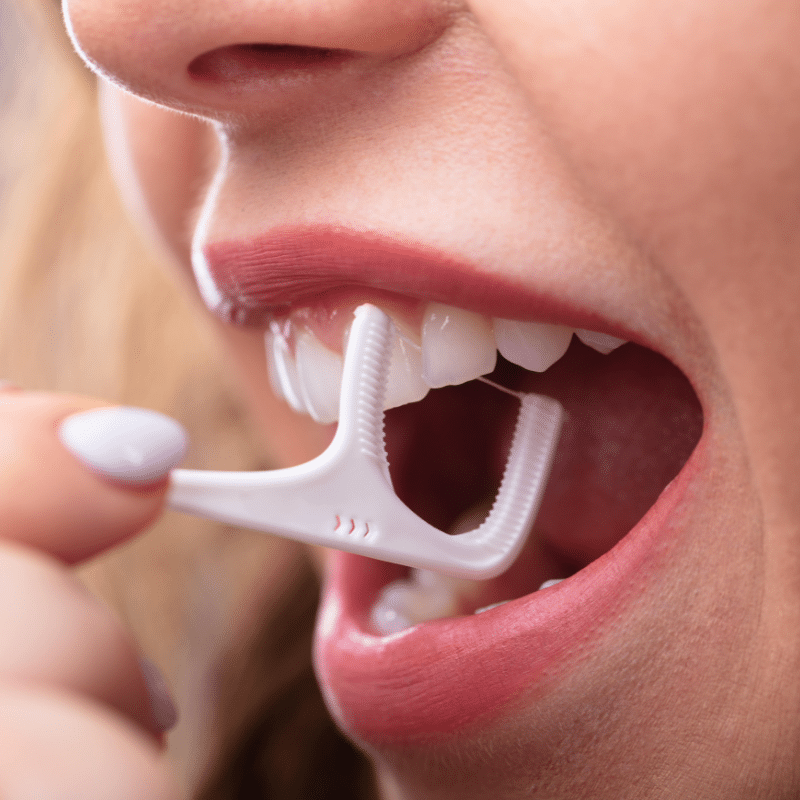
  • Floss Picks: These handy little tools come with floss pre-strung between two prongs, making them super convenient for flossing on the go or for those who find traditional floss awkward to handle.

With so many options, it’s all about finding what feels comfortable for you. Picking the right floss is the first step in making sure you follow the rest of these flossing tips effectively.

Proper Flossing Technique

Now that you’ve got the right floss, let’s get into the nitty-gritty of how to use it. Here are some straightforward flossing tips to help you get the most out of your flossing routine:

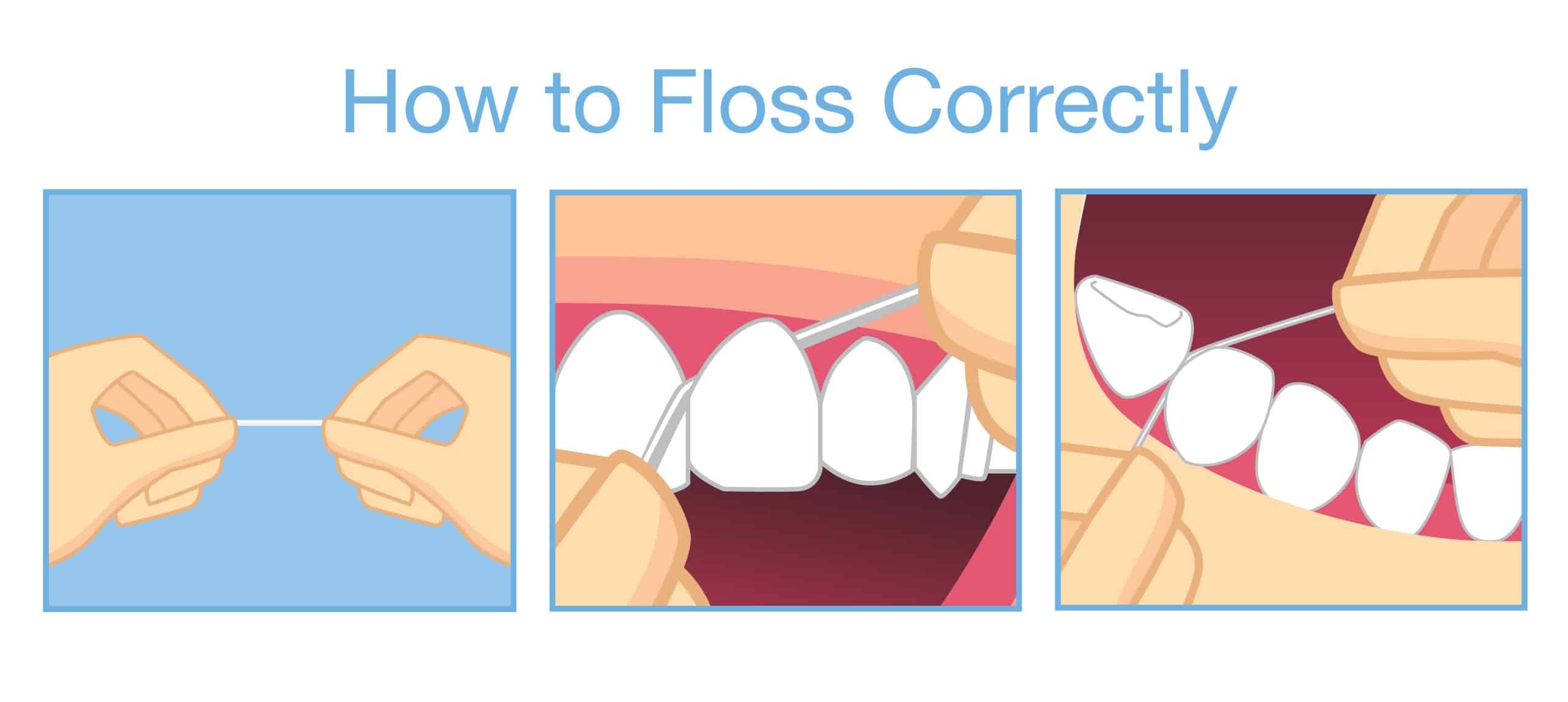
  • Use Enough Floss: Start with about 18 inches of floss. Wrap most of it around one of your middle fingers and the rest around the same finger on your opposite hand. This setup gives you a clean section of floss to use as you go.
  • Hold It Right: Hold the floss tightly between your thumbs and forefingers, leaving an inch or two to work with. This will give you better control.
  • Go Slow: Gently slide the floss between your teeth using a sawing motion. Don’t force it or snap it into your gums—flossing should be gentle, not painful.
  • Curve It: Once the floss reaches your gumline, curve it into a C shape against one tooth and slide it into the space between your gum and tooth. This helps you reach areas that your toothbrush can’t touch.
    Proper Flossing Technique
  • Repeat: Move to a fresh section of floss for each tooth. Don’t forget to floss the back of your last tooth—it’s easy to overlook, but it needs love too!
  • Take Your Time: Rushing through flossing is a no-go. Take your time to make sure you’re hitting every spot.

With these flossing tips from Twin Smiles Orthodontics in Palo Alto, you’ll be able to keep your mouth cleaner and healthier.

Tips for Whitening Your Teeth

Many people like the look of a bright white smile and want whiter teeth. In this post we’ll share tips for how to safely whiten your teeth and our recommendation for the most cost-effective method.

There are three main ways to whiten your teeth:

  1. In-office whitening with a more involved procedure
  2. Dentist-supplied products for use at home – you’re given gel with a clear tray to whiten at home
  3. Over-the-counter whiteners like Crest White Strips

Most Cost-Effective Way to Whiten Your Teeth

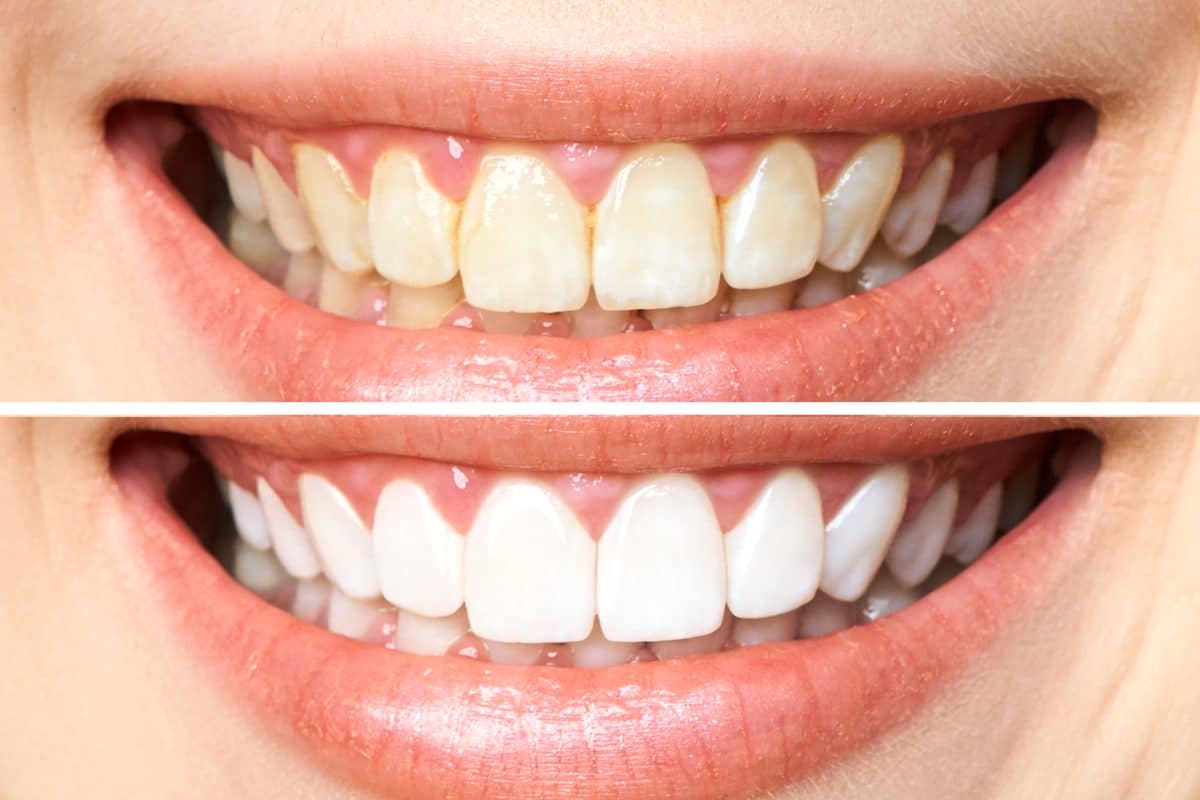
The most cost-effective way to whiten your teeth is dentist-supplied products for use at home as you’ll get the most bang for your buck with this method. Many people don’t see effects from over the counter whitening strips. With dentist-supplied products for use at home, depending on how much whitening you want to do, you’ll only need to use a small amount of gel in your trays for a couple weeks to see results.

Only Natural Teeth Can Be Whitened

An important thing to know for whitening is that only your natural teeth can be whitened–composites, veneers, fillings, and crowns cannot be whitened. So consider getting these all done prior to whitening your teeth so they will all match.

You can whiten with attachments on, so if you’re doing Invisalign or a similar treatment you can use your trays to whiten your teeth over your attachments. This is convenient and efficient because you can whiten your teeth while wearing the trays anyway.

If you’re looking for teeth whitening or Invisalign treatment, we’d love to see you at Twin Smiles Orthodontics in Palo Alto. Read more about Invisalign treatment here.