Different Types of Retainers After Braces or Invisalign: The Importance of Retainers for Your Smile in Palo Alto

Different Types of Retainers After Braces or Invisalign: The Importance of Retainers for Your Smile in Palo Alto

Congratulations! After months of wearing braces or Invisalign, you’ve achieved a beautifully aligned smile. But your orthodontic journey isn’t quite over yet. Enter the retainer—a crucial tool for maintaining your new smile. In this post, we’ll delve into the different types of retainers, their benefits, and how to choose the right one for your needs, all while focusing on the vibrant community of Palo Alto.

Why You Need a Retainer

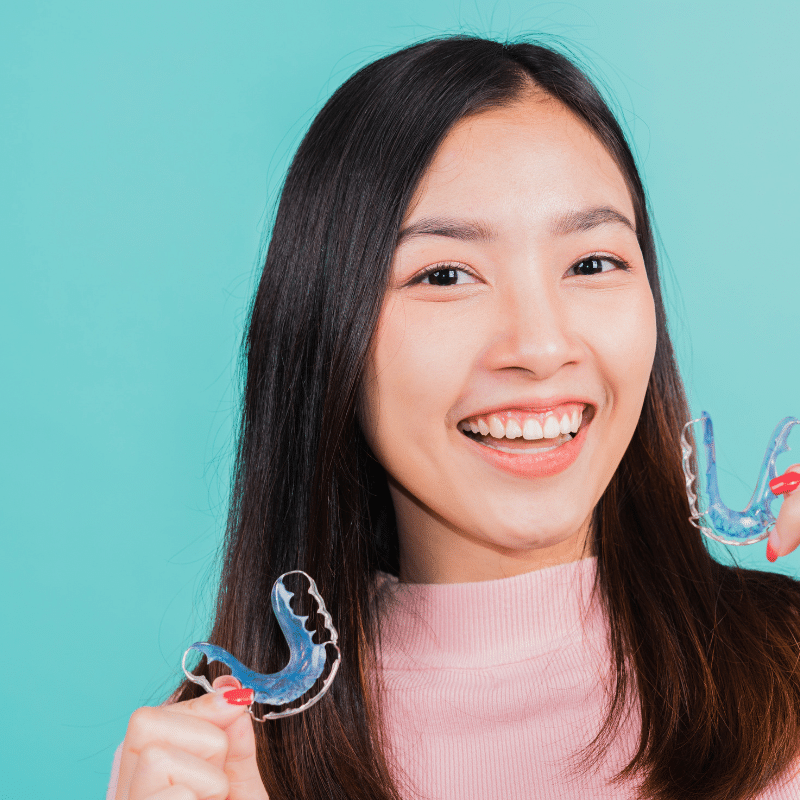
After completing your orthodontic treatment, your teeth may feel stable, but they can shift back to their original positions if not properly supported. This is where a teeth retainer comes into play. A retainer helps to hold your teeth in their new alignment while the surrounding bone and tissue adjust. Here’s why they’re essential:

  • Prevents Shifting: Retainers keep your teeth in place after braces or Invisalign.
  • Supports Bone Healing: Your jawbone needs time to adapt to your new smile.
  • Cost-Effective Maintenance: Investing in a retainer now can save you from costly corrections later.

The Benefits of Adult Braces Palo Alto: Why It’s Never Too Late for a Great Smile

The Benefits of Adult Braces Palo Alto: Why It’s Never Too Late for a Great Smile

Are you considering orthodontic treatment but wondering if it’s the right choice for you as an adult? Whether you’re in your twenties, forties, or even beyond, the idea of getting adult braces in Palo Alto might have crossed your mind. The good news is that adult orthodontic treatment is not only possible but also increasingly popular. According to the American Association of Orthodontics, there has been a 28% rise in adult patients seeking braces from 2012 to 2018. This trend reflects a growing understanding of the importance of oral health and aesthetics among adults.

Debunking Myths About Adult Orthodontics

Many adults often ask themselves, “Am I too old for braces?” The truth is, age is not a barrier to achieving a beautiful smile. Here’s why:

  • Oral Health Matters: The primary factor in determining whether you can get adult braces in Palo Alto is your oral health, not your age. As long as your gums and teeth are healthy, you’re a candidate for treatment.
  • Complexity of Treatment: While it may be easier to address orthodontic issues in children and teenagers, adults can still achieve excellent results. It may involve a more complex treatment plan, especially if you have existing dental issues.
  • Collaborative Care: Our orthodontists in Palo Altowork closely with other dental professionals to address any complications that may arise during treatment. This team approach ensures comprehensive care tailored to your needs.

How to Stop Thumb Sucking: An Orthodontist’s Guide from Palo Alto

How to Stop Thumb Sucking: An Orthodontist’s Guide from Palo Alto

Thumb sucking is a common behavior among children, typically starting as a self-soothing action in infancy. While many children naturally outgrow thumb sucking, for some, it persists beyond early childhood, potentially leading to dental and social issues. As orthodontists in Palo Alto, we understand the complexities of managing this habit and are here to provide you with expert advice on how to stop thumb sucking. This guide will explore practical solutions, the role of orthodontic treatments such as thumb crib orthodontics, thumb sucking appliances, and kids braces Palo Alto, and methods for addressing thumb sucking without immediate orthodontic intervention.

Understanding Thumb Sucking

Thumb sucking is often a comforting behavior for infants and young children. However, if the habit continues past the age of five or six, it can impact your child’s dental health. The effects of thumb sucking on teeth can be significant, leading to misalignment and other orthodontic issues. As orthodontists practicing in Palo Alto, our goal is to address thumb sucking with both preventive and corrective strategies to protect your child’s oral health. Understanding how to stop thumb sucking is crucial for ensuring their long-term dental well-being.

Effects of Thumb Sucking on Teeth

The effects of thumb sucking on teeth can vary depending on how long and intensely the habit is practiced. Prolonged thumb sucking can result in several dental issues, including:

  • Misalignment of Teeth: Thumb sucking can cause the front teeth to protrude and the back teeth to become misaligned, disrupting the natural alignment of the dental arches.
  • Changes in Oral Structure: Persistent thumb sucking can affect the development of the upper jaw and palate, leading to structural changes that can impact overall oral health.
  • Bite Issues: Ongoing thumb sucking can cause bite problems such as an overbite or underbite, which may require orthodontic treatment to correct.

Recognizing these effects of thumb sucking on teeth highlights the importance of addressing the habit early to prevent more serious dental problems.

Flossing Tips: The Ultimate Guide to a Healthier Smile

We all know brushing our teeth is essential, but what about flossing? It’s that one part of the daily routine that many people either skip or don’t give much thought to. However, flossing plays a crucial role in keeping your mouth healthy by getting rid of the stuff your toothbrush can’t reach. If you’re looking to up your oral hygiene game, these flossing tips   from the orthodontists at Twin Smiles Orthodontics in Palo Alto will help you get the most out of your efforts.

Flossing Tips: Why Flossing Matters More Than You Think

So, why should you care about flossing? The answer is simple: it’s the key to preventing plaque buildup in those hard-to-reach places between your teeth and along the gumline. If you’re not flossing regularly using the right flossing tips, you’re leaving behind food particles and plaque that can eventually harden into tartar. Once that happens, brushing alone won’t cut it, and you’ll be looking at potential issues like gum disease and cavities. Incorporating these flossing tips into your routine can make a big difference in your overall oral health using expert advice from Twin Smiles Orthodontics in Palo Alto.

Finding the Right Floss for You

First things first: let’s talk about choosing the right floss. Believe it or not, not all floss is created equal. Here’s a quick breakdown:

  • Waxed Floss: This type of floss is coated with a thin layer of wax, which makes it easier to slide between tight teeth. If your teeth are close together, this might be the best option for you.
  • Unwaxed Floss: On the flip side, unwaxed floss is a bit thinner and doesn’t have the waxy coating, which some people prefer. It’s a bit more “bare bones,” but it gets the job done.
  • Dental Tape: If you have a bit more space between your teeth, dental tape might be your go-to. It’s wider and flatter, making it easier to cover more surface area.
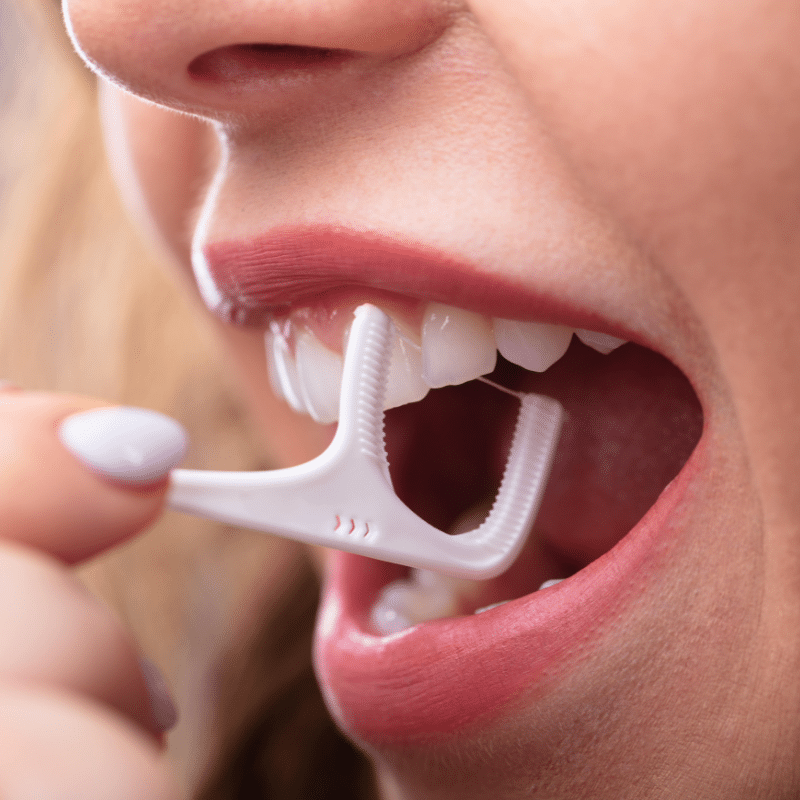
  • Floss Picks: These handy little tools come with floss pre-strung between two prongs, making them super convenient for flossing on the go or for those who find traditional floss awkward to handle.

With so many options, it’s all about finding what feels comfortable for you. Picking the right floss is the first step in making sure you follow the rest of these flossing tips effectively.

Proper Flossing Technique

Now that you’ve got the right floss, let’s get into the nitty-gritty of how to use it. Here are some straightforward flossing tips to help you get the most out of your flossing routine:

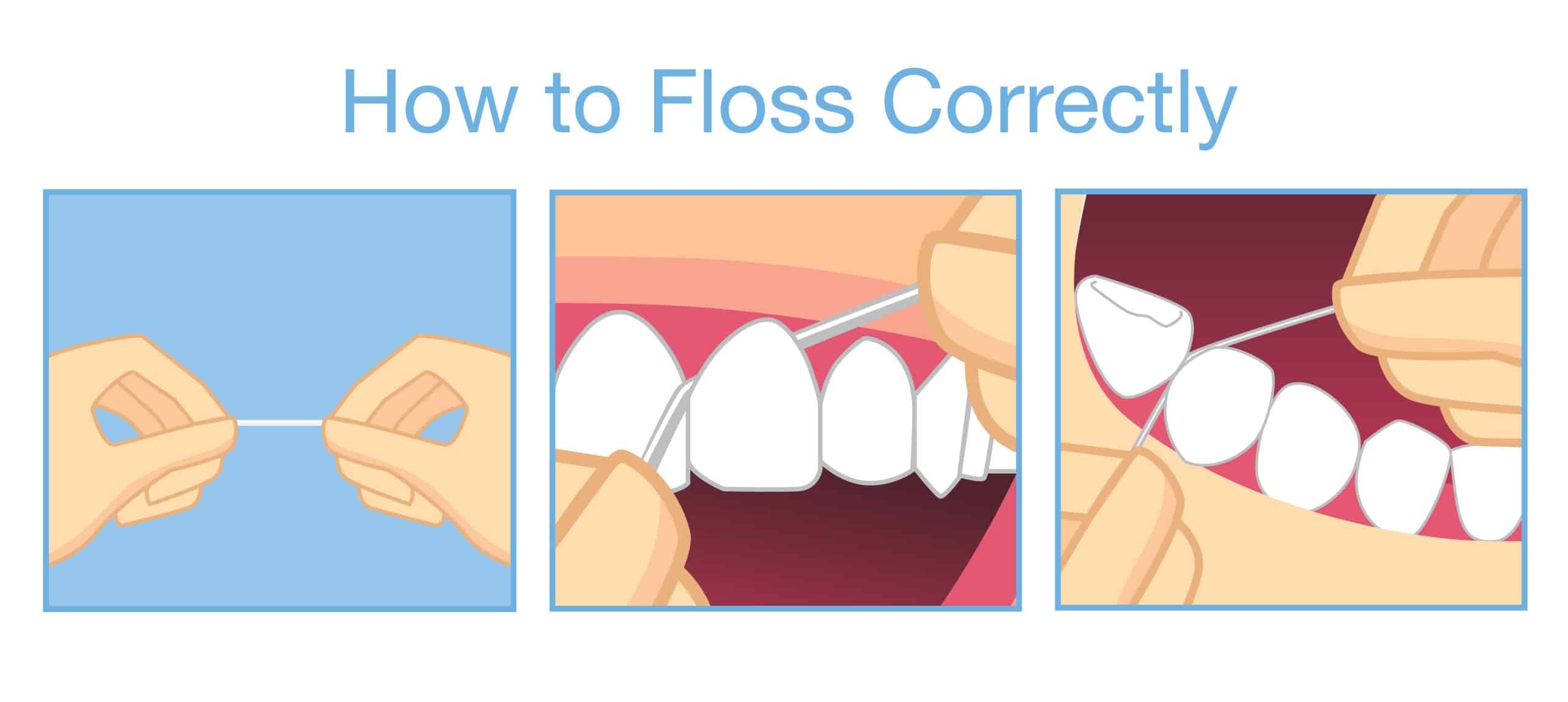
  • Use Enough Floss: Start with about 18 inches of floss. Wrap most of it around one of your middle fingers and the rest around the same finger on your opposite hand. This setup gives you a clean section of floss to use as you go.
  • Hold It Right: Hold the floss tightly between your thumbs and forefingers, leaving an inch or two to work with. This will give you better control.
  • Go Slow: Gently slide the floss between your teeth using a sawing motion. Don’t force it or snap it into your gums—flossing should be gentle, not painful.
  • Curve It: Once the floss reaches your gumline, curve it into a C shape against one tooth and slide it into the space between your gum and tooth. This helps you reach areas that your toothbrush can’t touch.
    Proper Flossing Technique
  • Repeat: Move to a fresh section of floss for each tooth. Don’t forget to floss the back of your last tooth—it’s easy to overlook, but it needs love too!
  • Take Your Time: Rushing through flossing is a no-go. Take your time to make sure you’re hitting every spot.

With these flossing tips from Twin Smiles Orthodontics in Palo Alto, you’ll be able to keep your mouth cleaner and healthier.

Types of Braces

Braces can help correct problems with teeth like crowding, misalignment, spacing, or crooked teeth. There are several types of braces including metal, ceramic, lingual, and self-ligating. Metal braces are the most common, and some people opt for aligners like Invisalign for a more natural looking option.

  • Metal braces – metal brackets are attached to the teeth and connected by archwires to apply pressure
  • Ceramic braces – function like metal braces, but the brackets attached to the teeth are ceramic so they’re less noticeable
  • Lingual braces – sometimes called “invisible braces”, instead of having the brackets attached to the front of the teeth, lingual braces have brackets attached to the back of the teeth so they’re not visible
  • Self-ligating braces – Less common, the brackets have a built-in mechanism which holds the archwire in place so you may have shorter in-office appointments and can go longer between adjustment appointments.
  • Aligners – Aligners are different from braces, but are another option for aligning your teeth that uses a clear tray that looks like a retainer instead of brackets that also gradually moves your teeth through gradual force

Read more about Invisalign vs braces here.

Each of the above options can work to straighten your teeth or correct conditions where your teeth don’t fit together properly (like crossbites, overbites, and underbites) through applying gentle, continuous pressure to move your teeth into the correct position over time.

Braces can improve your smile, but they can also improve your oral health and function of your teeth and jaws, reducing the risk of abnormal tooth wear. We recommend starting treatment as soon as you can, including children 7+ years old to avoid more serious problems down the road, but it’s never too late to discuss ways we can enhance your smile. We’d love to see you at Twin Smiles Orthodontics in Palo Alto!

Pros and Cons of Invisalign vs Braces

Pros and Cons of Invisalign vs Braces

There are two main types of orthodontic treatment you’re likely considering in order to straighten your teeth: Invisalign or braces. Depending on the complexity of your case one may work better for you than the other.  In some cases, either Invisalign or braces will get the job done and so it may be up to personal preference.  There are some main differences that can be helpful when deciding which treatment will work best for you.

Aesthetics

What you’re probably thinking about first is which will look better. Invisalign is made of two parts– the attachments (clear bumps put on teeth) and the clear trays which fit over the attachments. Many people like the look of Invisalign because it’s transparent so you can see your teeth through it. Since it’s more subtle, adults especially tend to gravitate to it. However, some people think braces look cool  and enjoy being able to choose colorful brackets that coordinate with the seasons. On the other hand, some people don’t like the way the metal looks in their mouth, so it’s just personal preference.

Convenience

With Invisalign, you remove the trays each time you eat. This might be inconvenient if you’re a big snacker. One pro of Invisalign  is that you can eat all the foods you normally would and don’t have to worry about breaking a bracket. You can also brush and floss like you normally do, whereas brushing and flossing with braces takes a little extra time. The con of Invisalign is you need to be careful not to lose your trays when removing them during the day and it’s best to always keep them in their case. If you put them in a tissue they might be accidentally thrown away. Some people are also a little embarrassed to remove them in public.

The biggest con of Invisalign is your teeth will only move when there’s a constant active force on them, so your teeth will only move while wearing the aligners. You need to wear the aligners 18-20 hours a day to see movement in your teeth. A benefit of braces is they’re always working for you 24 hours a day and you don’t have to think about it.

A con of braces is if you end up breaking a bracket, you will need to schedule an emergency appointment to get it replaced. Ideally you should modify your diet slightly to avoid ice, sticky, chewy, hard foods to avoid breaking a bracket.

Another pro Invisalign is you don’t need to come visit the office as frequently. If you’re doing well with your trays, you can just change them out yourself so you can do more remote treatment if that works better with your work or school schedule.