Understanding the Cost of Braces in Palo Alto

Understanding the Cost of Braces in Palo Alto

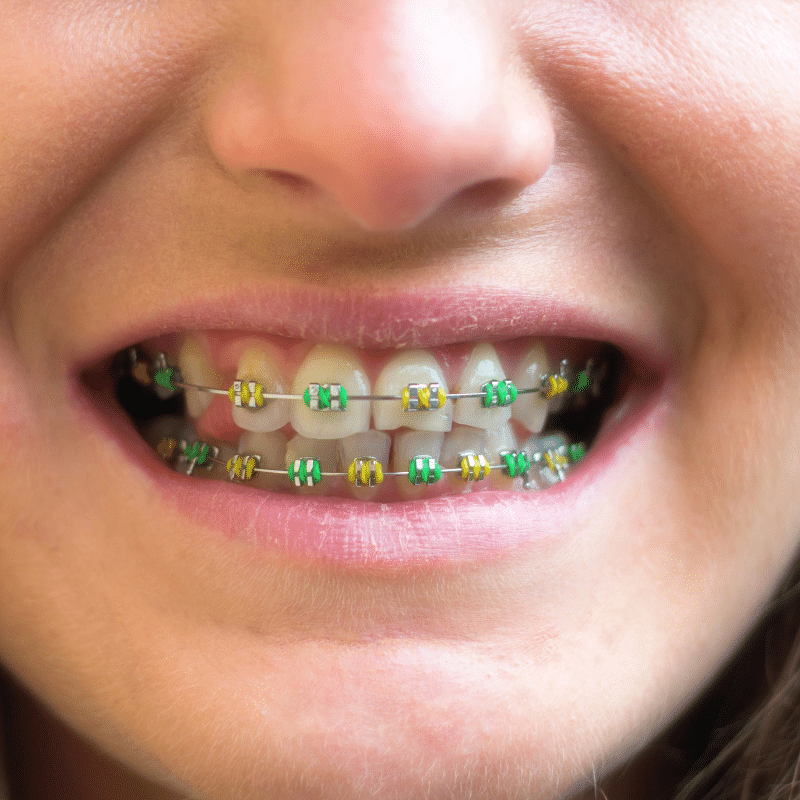
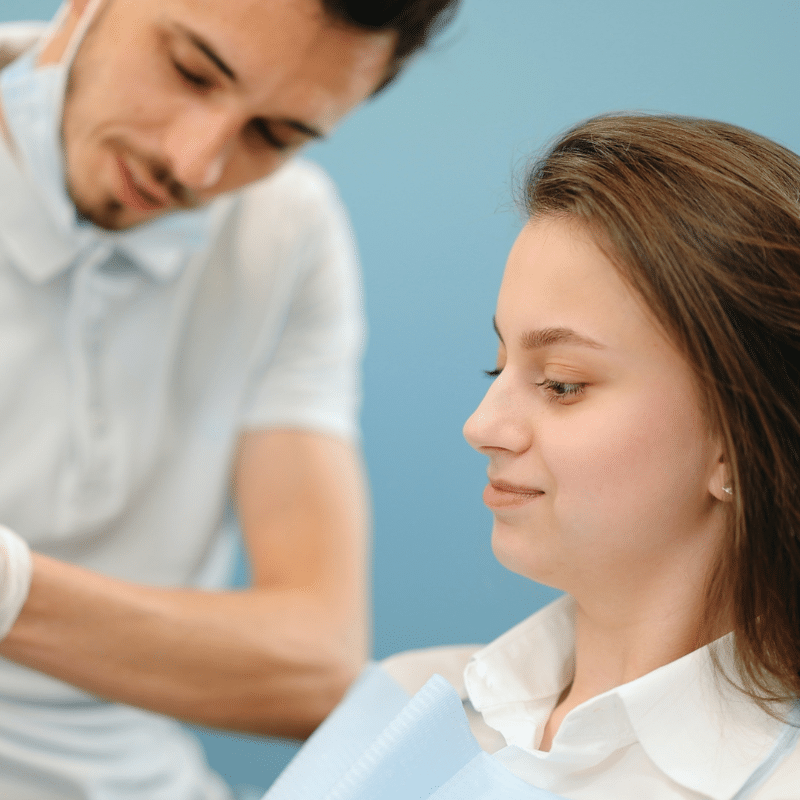
At Twin Smiles Orthodontics in Palo Alto, we know that deciding to invest in braces is a big step for your smile and oral health. One of the most common questions we hear is, “What is the cost of braces?” This blog will break down the factors that affect braces pricing and help you understand how we make treatment accessible for our Palo Alto patients.

Factors That Influence the Cost of Braces

The cost of braces can vary depending on several factors. As orthodontists, we strive to provide clarity and transparency for all patients. Here are some of the main considerations:

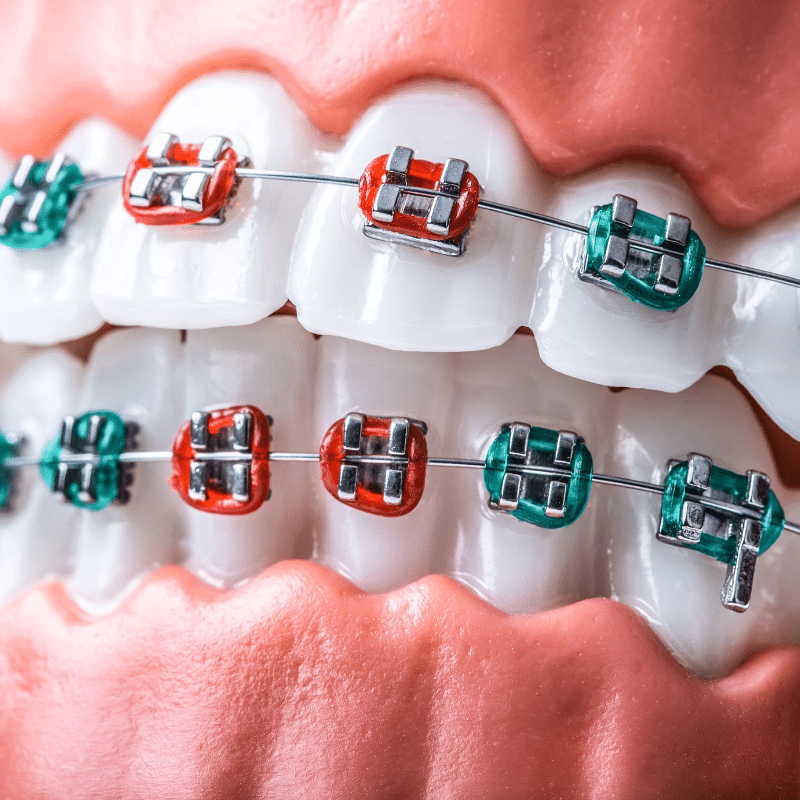
  • Type of Braces: Traditional metal braces, ceramic braces, and Invisalign all come with different price points.
  • Complexity of Treatment: More severe alignment issues often require longer treatment times, which can affect the overall cost.
  • Length of Treatment: Shorter treatments typically cost less, while longer, more involved cases may be higher.
  • Braces Cost with Insurance: Insurance can significantly reduce the cost. Many plans cover part of the treatment, and we’re happy to help you navigate your options.
  • Location: The cost in Palo Alto might differ slightly compared to other areas due to local market conditions.
What is the Average Price for Braces?

Understanding the average price for braces helps you plan for treatment. Generally, the national average ranges from $4,000 to $7,000, but in Palo Alto, prices might be on the higher end due to the cost of living. At Twin Smiles Orthodontics, we provide detailed consultations to outline the exact pricing for your unique case.

Why Choose Palo Alto Orthodontics?

If you’re searching for quality care, Palo Alto orthodontics offers a level of expertise and attention that sets it apart. At Twin Smiles Orthodontics, we specialize in creating personalized treatment plans for every patient. Here’s why our patients trust us:

  • Expert Team: Our orthodontists have years of experience providing exceptional care.
  • Advanced Technology: We use the latest tools to ensure effective and comfortable treatment.
  • Flexible Payment Options: We work with your budget to make braces affordable.
  • Community Focus: As part of the Palo Alto community, we are dedicated to supporting our neighbors and creating healthier smiles.

Orthodontic Expander: A Key Tool for a Healthier Smile in Palo Alto

Orthodontic Expander: A Key Tool for a Healthier Smile in Palo Alto

When it comes to orthodontics, one of the most effective tools we use to create beautiful smiles is the orthodontic expander. At Twin Smiles Orthodontics in Palo Alto, we specialize in creating customized treatment plans that address a wide range of dental concerns. Whether your child needs kids braces, a kids orthodontist, or an RPE orthodontic appliance, we offer a variety of solutions to help improve their oral health and appearance. In this blog post, we’ll explain how an orthodontic expander works, when it’s needed, and how it can benefit your child’s smile.

What is an Orthodontic Expander?

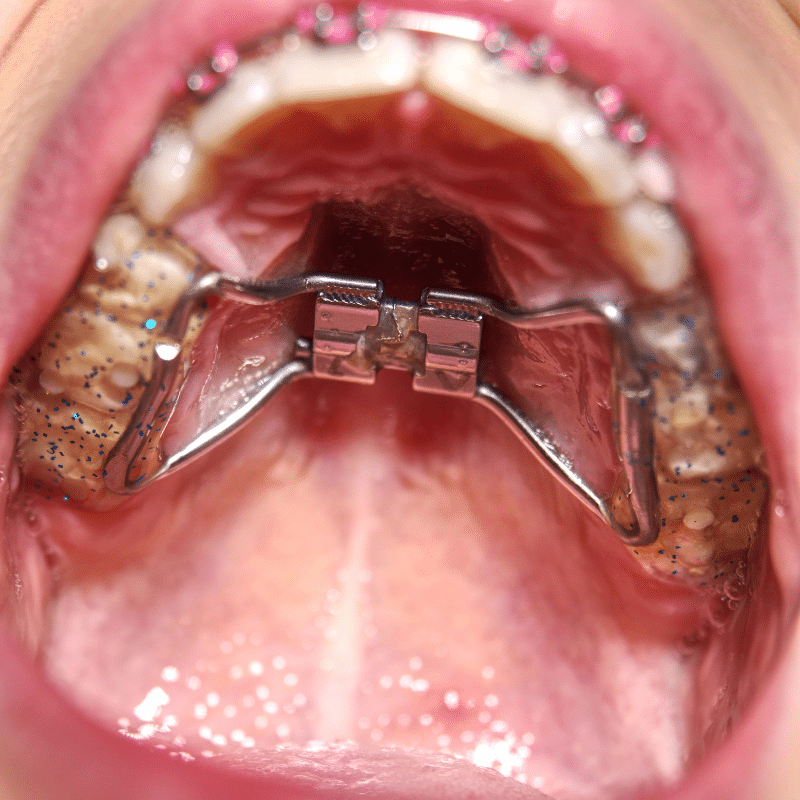
An orthodontic expander is a dental device used primarily to widen the upper jaw. It’s especially useful for patients whose upper jaw is too narrow, which can cause dental crowding, bite problems, or other orthodontic issues. The expander is typically used in growing children, as it is most effective during the early stages of dental development.

The most common type of expander we use is the RPE orthodontic appliance (Rapid Palatal Expander), specifically the Hyrax expander. The RPE orthodontic appliance works by gradually widening the upper palate to correct alignment issues and create space for the permanent teeth to emerge properly.

Why is an Orthodontic Expander Important for Kids?

An orthodontic expander is particularly valuable for kids orthodontist treatments, especially for children between the ages of 7 and 12. During this phase of dental development, a child’s bones are still growing, making it easier to guide the jaw into proper alignment. By using an expander at this age, we can avoid more invasive treatments in the future, such as tooth extractions or more extensive braces.

Benefits of Using an Orthodontic Expander for Your Child:
  • Increased space for teeth: If your child’s teeth are crowded, an expander can create more room for teeth to come in properly.
  • Improved bite alignment: An expander helps address bite issues like crossbites, where the top and bottom teeth don’t align correctly.
  • Prevent future orthodontic issues: By addressing alignment issues early, we can reduce the need for more complicated treatments later on.
  • Reduced need for tooth extractions: Expanding the jaw can prevent the need to remove teeth to make room for others.

Food You Can Eat with Braces: A Guide from Twin Smiles Orthodontics

Food You Can Eat with Braces: A Guide from Twin Smiles Orthodontics

Adjusting to life with braces can feel overwhelming at first, especially when it comes to your diet. At Twin Smiles Orthodontics in Palo Alto, we understand how important it is to know which foods are safe for your braces and which to avoid. With the right choices, you can keep your metal braces in great shape and stay on track with your orthodontic journey.

This guide will walk you through the best food you can eat with braces, helping you enjoy your meals while protecting your smile. Whether you’re dealing with sensitivity after a recent adjustment or simply want to maintain your oral health, knowing what to eat can make all the difference.

Why Food Choices Matter

Braces are carefully designed to straighten your teeth and improve your smile, but they’re also delicate. Certain foods can damage brackets or wires, leading to unnecessary visits to the orthodontist and delays in treatment.

By sticking to a braces-friendly diet, you’ll:

  • Prevent damage to brackets and wires.
  • Avoid discomfort from hard or sticky foods.
  • Reduce plaque buildup around your braces.

Choosing the right food you can eat with braces is key to keeping your braces intact and your treatment on track. Not only do these choices support the physical integrity of your braces, but they also help you maintain a clean, healthy mouth, which is crucial for the success of your treatment.

The Best Food You Can Eat with Braces

Eating with braces doesn’t have to mean giving up your favorite meals. There are plenty of tasty, braces-friendly options to enjoy. Here are some of the best foods to eat during your orthodontic treatment:

Choosing the Right Color for Your Metal Braces: A Guide for Palo Alto Patients

Choosing the Right Color for Your Metal Braces: A Guide for Palo Alto Patients

When you or your child get metal braces, one of the most exciting choices is picking the colors of your brackets and bands! While braces primarily work to straighten teeth and improve oral health, choosing colors can make the process more fun and personalized. At Twin Smiles Orthodontics in Palo Alto, we offer various color options, allowing you to express yourself during your orthodontic journey. In this blog post, we’ll share tips on choosing the best colors for your metal braces and making the most of your orthodontic experience.

Why Colors Matter with Metal Braces

Selecting colors for metal braces can boost confidence and add a touch of personality to your smile during treatment. Plus, choosing colors that fit your style, preferences, and events makes wearing braces more enjoyable. Here’s a breakdown of how to choose colors that work for you, whether you’re looking for a classic look or a bold statement.

Personal Preference

When selecting colors for metal braces, start by thinking about what colors resonate with you. Here are a few ideas:

  • Favorite Colors: Many patients love to pick colors they already love, such as blue, pink, or red.
  • Seasonal Themes: Go for pastels in spring, bright colors in summer, or rich hues in autumn.
  • Sports Team Spirit: Show support for your favorite team by picking their colors for your braces!

This freedom allows you to make metal braces truly feel like your own!

Different Types of Retainers After Braces or Invisalign: The Importance of Retainers for Your Smile in Palo Alto

Different Types of Retainers After Braces or Invisalign: The Importance of Retainers for Your Smile in Palo Alto

Congratulations! After months of wearing braces or Invisalign, you’ve achieved a beautifully aligned smile. But your orthodontic journey isn’t quite over yet. Enter the retainer—a crucial tool for maintaining your new smile. In this post, we’ll delve into the different types of retainers, their benefits, and how to choose the right one for your needs, all while focusing on the vibrant community of Palo Alto.

Why You Need a Retainer

After completing your orthodontic treatment, your teeth may feel stable, but they can shift back to their original positions if not properly supported. This is where a teeth retainer comes into play. A retainer helps to hold your teeth in their new alignment while the surrounding bone and tissue adjust. Here’s why they’re essential:

  • Prevents Shifting: Retainers keep your teeth in place after braces or Invisalign.
  • Supports Bone Healing: Your jawbone needs time to adapt to your new smile.
  • Cost-Effective Maintenance: Investing in a retainer now can save you from costly corrections later.

Airway Orthodontics: Enhancing Your Health and Sleep Quality

Airway Orthodontics: Enhancing Your Health and Sleep Quality

When you think about airway orthodontics, the first image that may come to mind is a perfect smile. However, at Twin Smiles Orthodontics in Palo Alto, we know that this advanced orthodontic approach goes beyond aesthetics. Our focus on airway orthodontics is about improving your overall health and sleep quality by optimizing your airway for better breathing.

Understanding Airway Orthodontics

Airway orthodontics is a specialized form of treatment that aligns the teeth, jaw, and facial structure to enhance airflow. Unlike traditional orthodontics, which primarily aims to straighten teeth, our approach considers how these elements affect your airway health. This holistic perspective is crucial for addressing issues like sleep apnea, snoring, and chronic mouth breathing.

Key Differences from Traditional Orthodontics

Here’s how airway orthodontics sets itself apart:

  • Focus on Airway Health: Traditional orthodontics often neglects the airway. Our emphasis on airway orthodontics aims to optimize space within the oral cavity to improve airflow.
  • Holistic Approach: We assess how the alignment of teeth and jaw impacts overall health, considering factors like breathing patterns and sleep quality.
  • Treatment of Related Conditions: Airway orthodontics can alleviate conditions such as sleep apnea and TMJ disorders by improving jaw positioning.

The Benefits of Invisalign for Kids: A Guide for Parents in Palo Alto

The Benefits of Invisalign for Kids: A Guide for Parents in Palo Alto

As a group of orthodontists who love helping kids achieve beautiful, healthy smiles, we know how important it is for parents to choose the best treatment options for their children. Invisalign for kids is becoming a popular choice for many families in Palo Alto. This innovative treatment provides comfort, flexibility, and aesthetics that traditional braces simply can’t match. If you’ve been considering Invisalign for kids for your child, here’s what you need to know.

What Is Invisalign for Kids?

Invisalign for kids is a specific program called Invisalign First. It’s designed for younger patients, often starting as early as age six or seven. Unlike traditional braces, Invisalign First uses a series of clear, removable aligners that gradually shift your child’s teeth into place.

Here’s how it works:

  • 3D Imaging: Your Invisalign orthodontist takes digital scans of your child’s mouth, creating a 3D model of their teeth.
  • Custom Aligners: Based on this model, a series of clear aligners are made, custom-fit to your child’s dental needs.
  • Gentle Pressure: The aligners apply gentle pressure to move the teeth over time, without the discomfort that sometimes comes with traditional braces.

But Invisalign First isn’t just about straightening teeth—it also helps guide the growth of your child’s jaws and surrounding structures, which can prevent more serious orthodontic issues as they grow. Learn more here.

Why Do So Many Parents in Palo Alto Choose Invisalign for Kids?

There are several reasons why Invisalign for kids might be the right choice for your child. It offers some key advantages over traditional braces, especially for families here in Palo Alto who value convenience and comfort.

  • Removable Aligners: One of the biggest benefits of Invisalign for kids is that the aligners are removable. This means your child can take them out when eating, brushing, and flossing, making it easier to keep their teeth clean.
  • Virtually Invisible: The clear aligners are almost invisible, so kids don’t have to worry about feeling self-conscious while they’re going through treatment.
  • Comfort: Without the metal brackets and wires that come with braces, there’s much less chance of irritation or discomfort in the mouth.
  • Early Intervention: Starting treatment with Invisalign First can help address orthodontic issues early on, potentially making future treatments simpler and faster.

The Benefits of Adult Braces Palo Alto: Why It’s Never Too Late for a Great Smile

The Benefits of Adult Braces Palo Alto: Why It’s Never Too Late for a Great Smile

Are you considering orthodontic treatment but wondering if it’s the right choice for you as an adult? Whether you’re in your twenties, forties, or even beyond, the idea of getting adult braces in Palo Alto might have crossed your mind. The good news is that adult orthodontic treatment is not only possible but also increasingly popular. According to the American Association of Orthodontics, there has been a 28% rise in adult patients seeking braces from 2012 to 2018. This trend reflects a growing understanding of the importance of oral health and aesthetics among adults.

Debunking Myths About Adult Orthodontics

Many adults often ask themselves, “Am I too old for braces?” The truth is, age is not a barrier to achieving a beautiful smile. Here’s why:

  • Oral Health Matters: The primary factor in determining whether you can get adult braces in Palo Alto is your oral health, not your age. As long as your gums and teeth are healthy, you’re a candidate for treatment.
  • Complexity of Treatment: While it may be easier to address orthodontic issues in children and teenagers, adults can still achieve excellent results. It may involve a more complex treatment plan, especially if you have existing dental issues.
  • Collaborative Care: Our orthodontists in Palo Altowork closely with other dental professionals to address any complications that may arise during treatment. This team approach ensures comprehensive care tailored to your needs.

How to Stop Thumb Sucking: An Orthodontist’s Guide from Palo Alto

How to Stop Thumb Sucking: An Orthodontist’s Guide from Palo Alto

Thumb sucking is a common behavior among children, typically starting as a self-soothing action in infancy. While many children naturally outgrow thumb sucking, for some, it persists beyond early childhood, potentially leading to dental and social issues. As orthodontists in Palo Alto, we understand the complexities of managing this habit and are here to provide you with expert advice on how to stop thumb sucking. This guide will explore practical solutions, the role of orthodontic treatments such as thumb crib orthodontics, thumb sucking appliances, and kids braces Palo Alto, and methods for addressing thumb sucking without immediate orthodontic intervention.

Understanding Thumb Sucking

Thumb sucking is often a comforting behavior for infants and young children. However, if the habit continues past the age of five or six, it can impact your child’s dental health. The effects of thumb sucking on teeth can be significant, leading to misalignment and other orthodontic issues. As orthodontists practicing in Palo Alto, our goal is to address thumb sucking with both preventive and corrective strategies to protect your child’s oral health. Understanding how to stop thumb sucking is crucial for ensuring their long-term dental well-being.

Effects of Thumb Sucking on Teeth

The effects of thumb sucking on teeth can vary depending on how long and intensely the habit is practiced. Prolonged thumb sucking can result in several dental issues, including:

  • Misalignment of Teeth: Thumb sucking can cause the front teeth to protrude and the back teeth to become misaligned, disrupting the natural alignment of the dental arches.
  • Changes in Oral Structure: Persistent thumb sucking can affect the development of the upper jaw and palate, leading to structural changes that can impact overall oral health.
  • Bite Issues: Ongoing thumb sucking can cause bite problems such as an overbite or underbite, which may require orthodontic treatment to correct.

Recognizing these effects of thumb sucking on teeth highlights the importance of addressing the habit early to prevent more serious dental problems.

Understanding Sleep Apnea and How Orthodontists Can Help

What is Sleep Apnea?

Sleep apnea is a common sleep disorder characterized by repeated interruptions in breathing during sleep. These interruptions can be caused by various factors, including issues with both hard and soft tissues in the airway. Identifying sleep apnea involves recognizing symptoms and understanding risk factors, as well as consulting with specialists.

Orthodontic Treatment for Sleep Apnea

While orthodontics alone cannot cure sleep apnea, it plays a crucial role in its management when combined with the expertise of other specialists. Comprehensive treatment often involves a team that includes dentists, orthodontists, sleep specialists, ENT (ear, nose, and throat) doctors, primary care physicians, and oral surgeons.

Orthodontists focus on addressing issues with the hard tissues of the oral cavity. This can involve expanding the upper jaw or collaborating with oral surgeons to surgically reposition the jaws, which can improve airway openness. ENTs generally handle soft tissue concerns and nasal issues, while sleep specialists are pivotal in diagnosing the specific type of sleep apnea.